The memory card is the least glamorous part of a camera kit and the one most likely to ruin a shoot. A slow card makes a burst of raw files stall in the buffer, a too-small card forces a swap in the middle of a ceremony, and a failed card takes the images with it. Photography has two different speed questions: how fast the card writes while you are shooting, which governs burst depth and video, and how fast it reads when you offload files to a computer, which governs your editing day. Marketing leads with the read number because it is bigger, but the write number is usually what decides whether a card keeps up.
This guide is for hobbyists, wedding and event shooters, travel photographers and anyone using a camera that accepts standard SD cards. It compares eight options from SanDisk, PNY and Gigastone, spanning 32GB to 256GB and from entry-level Class 10 cards to Extreme PRO cards with V30 video ratings. Because camera bodies differ in how they use card speed, the real 2026 question is how fast your camera can write, how much space a day of shooting needs, and how much you want to pay for headroom you may not use.
Our Top Picks


Top 3 picks at a glance
Quick Picks
As an Amazon Associate we earn from qualifying purchases at no extra cost to you.


| Product | Best for | Key spec from the title |
|---|---|---|
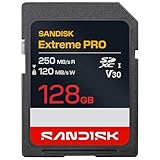
| SanDisk 128GB Extreme PRO (250MB/s) | All-round enthusiast shooting | 250MB/s read, 120MB/s write, U3, V30 |
| SanDisk 256GB Extreme PRO (170MB/s write) | Long events and video | 250MB/s read, 170MB/s write, U3, V30 |
| SanDisk 64GB Extreme PRO (200MB/s) | Fast card at a smaller capacity | 200MB/s read, 90MB/s write, V30 |
| SanDisk 128GB Ultra SDXC | Casual photographers | 140MB/s, C10, U1, Full HD |
| PNY 128GB Elite-X 2-Pack | Two cards for backup and rotation | C10, U3, V30, up to 100MB/s read |
| SanDisk 64GB Extreme PRO SDXC | Reliable mid-size working card | C10, U3, V30, 4K UHD |
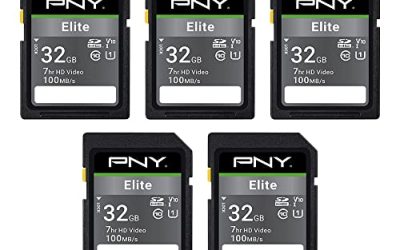
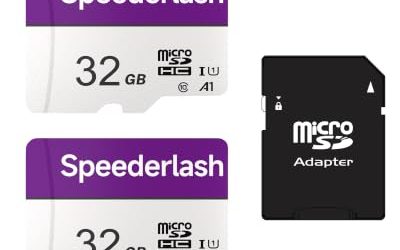
| GIGASTONE 32GB SD 5-Pack | Multiple small cards, trail cameras | U1, Class 10, up to 80MB/s |
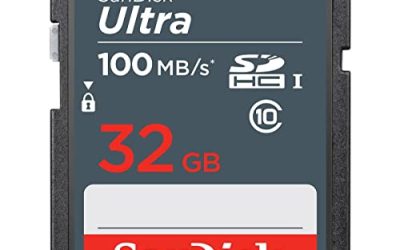
| SanDisk Ultra 64GB SDXC | Basic point and shoot use | Class 10, up to 80MB/s |
How to Choose
Speed class: U1, U3 and V30
The labels on the card tell you the guaranteed minimum sustained write speed, which matters more than the peak. U1 means at least 10MB/s, U3 means at least 30MB/s, and V30 means at least 30MB/s for video. Cards in this list that carry U3 and V30, such as the Extreme PRO and the PNY Elite-X, are suited to burst photography and 4K video. Cards labeled only C10 and U1 are fine for single shots and Full HD but can bottleneck a fast burst on a modern camera.
Capacity and how you shoot
Raw files are large, so capacity runs out faster than most beginners expect. A 32GB card is a fine spare for casual use, while 64GB and 128GB suit a day of travel, and 256GB suits weddings or sports where swapping cards is not an option. Smaller cards limit the damage if one fails, and larger cards reduce swapping. Many working photographers prefer two mid-size cards in a camera with two slots rather than one giant card, which is why a two-pack makes practical sense.
Read speed, write speed and offloading
The Extreme PRO 250MB/s read figure speeds up offloading with a UHS-I reader, but remember that UHS-I has a ceiling, so a card marketed for 250MB/s read may not reach that number in older cameras or readers. Notice that write speeds differ across capacities even within the same product line: the 128GB lists 120MB/s write while the 256GB lists 170MB/s. Do not choose by read speed alone, and match the write rating to your camera’s burst demands.
What to ignore, and where cheap cards cut corners
Ignore vague words like ultra-fast without numbers. Budget and no-name cards usually cut corners on sustained write performance and endurance, and the headline read speed can hide slow writes. Counterfeit cards are another danger, so buy from reputable sellers and test a new card by filling it and verifying the files. Also ignore marketing about future-proofing, since your camera dictates the useful speed ceiling.
The 8 Best Options
SanDisk 128GB Extreme PRO (250MB/s)
A 128GB Extreme PRO UHS-I card with up to 250MB/s read and 120MB/s write, rated U3 and V30 for 4K UHD video. It is the sensible all-rounder for enthusiasts who shoot bursts, stills and 4K clips and want a card that is unlikely to hold the camera back. A buyer with a mid-range mirrorless body who occasionally shoots a family event or a weekend of travel will find the capacity roomy and the write rating comfortable, and the same card can double as a video card when a trip calls for clips.
- Strength: 120MB/s write with U3 and V30 ratings.
- Strength: 250MB/s read for quick offloading.
- Trade-off: a premium cost tier compared with Ultra or entry-level cards.
Skip it if your camera only shoots occasional single frames.
SanDisk 256GB Extreme PRO (170MB/s write)
The 256GB version lists 250MB/s read and a higher 170MB/s write figure, again with U3 and V30 ratings. It suits wedding, event and wildlife shooters who need long runs without a card swap, and video shooters who fill space quickly. The write figure is especially relevant if your camera shoots long raw bursts, since a faster sustained write rate empties the buffer sooner and lets you keep shooting during action sequences without that frustrating pause.
- Strength: the fastest stated write speed in the group.
- Strength: large 256GB capacity for long shoots.
- Trade-off: one big card concentrates risk; a failure loses more images.
Skip it if you prefer to spread a shoot across several smaller cards.
SanDisk 64GB Extreme PRO (200MB/s)
This 64GB Extreme PRO card lists up to 200MB/s read, up to 90MB/s write, V30, U3 and Class 10, and mentions backup and transfer use. It is a reasonable pick for people who want Extreme PRO quality in a small capacity for a travel day. Photographers who like to swap cards at the end of each location, so that a lost or damaged card only affects part of a trip, tend to favor sizes like this over a single large card.
- Strength: V30, U3 and Class 10 ratings for stills and 4K video.
- Strength: smaller capacity, so a failure costs less.
- Trade-off: lower write speed than the larger capacity cards.
Skip it if you shoot long raw bursts and need higher write speeds.
SanDisk 128GB Ultra SDXC
The Ultra line lists up to 140MB/s, Class 10 and U1 with Full HD support. It is aimed at casual photographers using point-and-shoot and entry-level cameras that do not need fast sustained writes. The capacity is generous for the speed class, which suits someone who wants lots of room for vacation photos rather than the fastest burst performance, such as a parent photographing a child’s games with a basic camera or a traveler using an older compact.
- Strength: 128GB capacity at an entry-level tier.
- Strength: suitable for single shots and Full HD video.
- Trade-off: U1 rating limits sustained writes on fast cameras.
Skip it if you shoot 4K video or long bursts.
PNY 128GB Elite-X 2-Pack
A two-pack of 128GB Elite-X SDXC cards rated C10, U3 and V30 with up to 100MB/s read. The two-card format is handy for dual-slot cameras and for rotating cards in a long shoot. The 100MB/s read figure is lower than the SanDisk Extreme PRO, though the U3 and V30 ratings still support 4K recording. A second card also acts as insurance: shooting identical frames to both slots, or filling one card and then the other, means a single card fault does not erase a shoot, which is the kind of protection that is easy to underrate until it is needed.
- Strength: two cards in one purchase with U3 and V30 ratings.
- Strength: suits dual-slot backup workflows.
- Trade-off: slower read speed than the Extreme PRO cards.
Skip it if offload speed is a priority.
SanDisk 64GB Extreme PRO SDXC
A listing for a 64GB Extreme PRO SDXC UHS-I card rated C10, U3 and V30 for 4K UHD. It is a dependable mid-size card for photographers who want a known product line without the highest capacity. The title does not list read and write numbers, so open the full description to confirm them before deciding whether it beats the newer listings. For a photographer who simply wants a trusted line and a size that fits a day of shooting, the ratings in the title already cover most needs.
- Strength: Extreme PRO with U3 and V30 ratings.
- Strength: 64GB size works well for a day of shooting.
- Trade-off: no speed figures in the title, so confirm details first.
Skip it if you want documented read and write numbers up front.
GIGASTONE 32GB SD 5-Pack
Five 32GB UHS-I U1 Class 10 SDHC cards rated up to 80MB/s for Full HD video. The title references use with digital cameras and trail cameras such as SPYPOINT. It is a bulk option for multiple devices, spares and low-demand cameras. Wildlife hobbyists who run several trail cameras can load one card per unit and swap them on each visit, and the 32GB size is plenty for the stills those cameras typically store.
- Strength: five cards at once, useful for trail cameras and spares.
- Strength: U1 and Class 10 with up to 80MB/s.
- Trade-off: not suited to fast bursts or 4K video.
Skip it if you want a single fast card for serious photography.
SanDisk Ultra 64GB SDXC
A basic Class 10 SDXC UHS-I card with up to 80MB/s, sold at the budget tier. It is intended for casual photographers and older cameras. It carries the SanDisk name at an easy-to-justify cost, which makes it a reasonable pick for a beginner who is still deciding how seriously to take photography and does not want to spend on headroom the camera cannot use.
- Strength: familiar brand at an entry-level tier.
- Strength: 64GB capacity covers a day of casual shooting.
- Trade-off: the lowest stated read speed in the group and no V rating.
Skip it if you shoot 4K video or fast sequences.
Which One Fits Your Situation
You shoot weddings or sports
The SanDisk 256GB Extreme PRO with 170MB/s write is the strongest choice. A 128GB Extreme PRO is a lighter alternative if you prefer smaller cards.
You are an enthusiast with a modern mirrorless camera
The SanDisk 128GB Extreme PRO or the PNY Elite-X 2-Pack balance capacity and sustained writes. Pick the PNY if you have two card slots.
You take casual travel photos
The SanDisk 128GB Ultra or the 64GB Ultra is enough for stills and Full HD video.
You need many small cards for trail cameras
The GIGASTONE 32GB 5-pack gives you spares to rotate without a large outlay.
Common Mistakes
- Choosing by read speed and ignoring the write speed and V rating.
- Buying one giant card and storing a whole event on it.
- Pairing a fast card with a slow reader and expecting the headline speed.
- Using cheap cards for 4K video and getting dropped frames.
- Not formatting a new card in the camera before the first shoot.
Related guides
- How To Clean Quest 3 Lenses And Facial Interface
- Vr Facial Interfaces For Glasses Wearers
- Micro Sd Cards For Samsung Galaxy Phones
Frequently Asked Questions
What does V30 mean?
V30 means the card guarantees at least 30MB/s sustained write, which supports 4K video recording. It is one of the most useful labels for video work.
Do I need a 250MB/s read card?
Only if you offload often and own a UHS-I reader that can use the speed. Your camera’s write ability matters more while shooting.
How much capacity do I need?
For raw stills, 64GB to 128GB suits a day of shooting. Video and events benefit from 256GB or multiple cards.
Are multi-packs a good idea?
Yes, for spares and backups. They also let you swap cards and lower the risk of losing a whole shoot on a single card.
Related guides
- How to Check VRAM Usage in Windows 11: Task Manager, Game Bar and Overlay Methods
- How Much VRAM for 4K Gaming: 8GB, 12GB or 16GB, and What Actually Fills It
- How Many VRM Phases Do You Need? Match Phase Count and Power Stage Rating to Your CPU
- Best Gaming PCs for VR: Seven Prebuilts Compared by Graphics Card, CPU and Memory (2026)