An everyday laptop is the machine that handles email, video calls, streaming, spreadsheets, online banking, and a dozen browser tabs without ever being the star of the show. Because the workload is light, the choice is less about raw speed and more about avoiding the traps: too little memory, a dim screen, a cramped drive, or a battery that quits mid-afternoon. A laptop that never frustrates you is the goal, and several of the models below get there while others trade comfort for a very low entry cost.
This guide is for people shopping for a household laptop, a first computer for a parent or teen, or a secondary machine for the couch and the kitchen table. Seven laptops from the current listings are compared using only what their titles state, such as processor family, memory, storage, and software bundles. Several share similar names, so the notes emphasize what actually differs between them. Whether you pick a Windows model or the Apple option in 2026, the checklist below will keep you from paying for the wrong features.
Our Top Picks
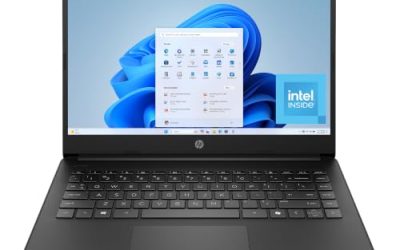
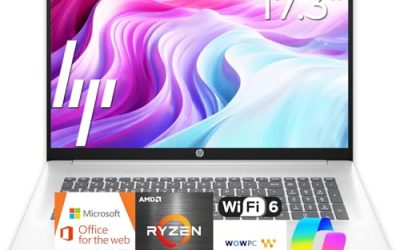
 HP 14 Inch Everyday Laptop16GB RAM | 512GB PCIe SSD12.76 x 8.86 x 0.71 inches3.24 PoundsCheck on Amazon
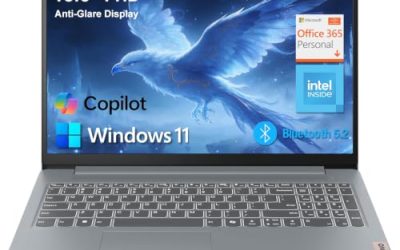
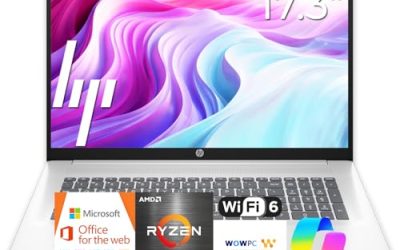
 HP Everyday Laptop • Microsoft Office 365 Included8GB RAM12.7 x 8.8 x 0.7 inches3.24 PoundsCheck on Amazon


Top 3 picks at a glance
Quick Picks
As an Amazon Associate we earn from qualifying purchases at no extra cost to you.



| Product | Best for | Key spec from the title |
|---|---|---|
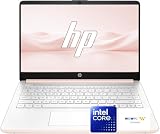
| HP 14 Inch Everyday Laptop (N150) | Light browsing in a compact body | 14-inch, Intel N150, 128GB SSD, Microsoft 365 |
| HP Everyday Laptop (Intel, Fast Charge) | Casual use with Wi-Fi 6 | Intel CPU, 128GB storage, Wi-Fi 6, fast charge |
| HP Everyday Slim (AMD) | Buyers who prefer an AMD processor | AMD processor, 4GB DDR5 RAM, 128GB SSD |
| Dell 15.6 FHD Laptop | Larger screen and more storage | Intel Core 3 100U, 8GB DDR5, 512GB SSD, 300 nits |
| HP Everyday Laptop (8GB) | More multitasking headroom | 8GB RAM, 128GB SSD, fast charge |
| Apple MacBook Neo 13-inch | Apple ecosystem users | A18 Pro chip, 8GB unified memory, 256GB SSD |
| HP Everyday Slim (N150) | Portable, basic home use | Intel N150, 4GB DDR5 RAM, 128GB SSD |
How to Choose
Memory decides how long the laptop stays pleasant
For everyday use, 8GB of memory is the practical floor today. Machines listed with 4GB can open a browser and a document, but they start to stall when a video call, a dozen tabs, and a background update overlap. If you plan to keep the laptop for several years, prioritize the 8GB models over the 4GB ones, even if the 4GB version bundles more software.
Storage type and size matter more than cloud promises
Several listings bundle 1TB of cloud storage with a 128GB drive. Cloud storage is a subscription-style perk, not extra space on the laptop, and it requires a connection to use. Windows plus updates and a few apps can fill 128GB quickly. A 256GB or 512GB SSD is a more comfortable baseline. Check that the drive is an SSD rather than a slower eMMC or UFS module when the title does not say.
Screen size, brightness, and ports
A 14-inch screen is easier to carry; a 15.6-inch screen is easier to read and often has a number pad. Full HD resolution is worth insisting on, and a brightness figure such as 300 nits helps in bright rooms. Look at the port list for USB-C and HDMI if you plan to connect a monitor or charge from a power bank. Wi-Fi 6 is helpful on a crowded home network.
Where budget laptops cut corners
Entry-level models save on processors, memory, keyboards, and speakers. An Intel N150 or similar low-power chip is fine for browsing and documents but is not built for heavy photo editing or many simultaneous tasks. Do not pay extra for a “Copilot” label on a weak processor, and read bundled software wording carefully; subscription trials such as Microsoft 365 are not permanent licenses.
A simple way to sort the field is by tier. The budget tier is the 4GB and 128GB group, fine for one person doing light tasks. The mid-range tier adds 8GB of memory and a larger SSD, which is where the Dell sits. The premium tier is where Apple’s laptop lives, with its own chip and a higher storage baseline. Ignore marketing words like “stunning color” or “lightweight design” unless a number backs them up, and ignore processor names you cannot compare. Instead, read three lines of every listing: memory, storage type, and screen resolution. Those three lines predict daily satisfaction better than any badge.
The 7 Best Options
HP 14 Inch Everyday Laptop (N150)
This HP is a compact 14-inch laptop for light, daily use. Its title lists an Intel N150 CPU, a 128GB SSD, 1TB of cloud storage, Microsoft 365, Windows 11, and Copilot AI features. It suits students, retirees, and anyone whose computing is mostly browsing, streaming, and documents.
- Strength: the 14-inch size is easy to carry between rooms or to a cafe.
- Strength: bundled Microsoft 365 wording means office apps may be ready out of the box; check the listing for term length.
- Trade-off: a 128GB drive fills up quickly with updates and downloads.
Skip it if you plan to store large photo or video libraries locally.
HP Everyday Laptop (Intel, Fast Charge)
This model targets buyers who want a straightforward Windows laptop with modern wireless. The title mentions an Intel CPU, 128GB of storage, Office 365, 1TB of cloud storage, Windows 11, fast charge, and Wi-Fi 6. It is a general-purpose option for a spare-room or family laptop.
- Strength: fast-charge wording is helpful when the battery runs low before a meeting.
- Strength: Wi-Fi 6 supports better performance on newer home routers.
- Trade-off: the title does not list RAM or the exact processor, so check the listing before buying.
Skip it if you need to confirm memory and processor details from the title alone.
HP Everyday Slim (AMD)
The AMD-based Everyday Slim is the pick for people who prefer that processor family. Its title lists an AMD high-performance processor, 4GB of DDR5 RAM, a 128GB SSD, 1TB of cloud storage, a long battery claim, and Windows 11. The DDR5 memory type is a plus, but the capacity is modest.
- Strength: the slim design is aimed at portability and casual travel.
- Strength: DDR5 memory is a newer type than older DDR4 laptops.
- Trade-off: 4GB of RAM leaves little room for multitasking.
Skip it if you keep many browser tabs open or run video calls alongside other apps.
Dell 15.6 FHD Laptop
The Dell is the spec leader among the Windows models here. The title lists a 15.6-inch Full HD display, Intel Core 3 100U, 8GB of DDR5 RAM, a 512GB SSD, a 300-nit anti-glare screen, Wi-Fi 6, and Bluetooth. It is built for people who want the most comfortable day-to-day experience in the group.
- Strength: 8GB of RAM and a 512GB SSD give much more breathing room than the 128GB models.
- Strength: the anti-glare 300-nit panel is easier to use near windows.
- Trade-off: a 15.6-inch body is bulkier to carry than a 14-inch laptop.
Skip it if you want the lightest possible laptop for travel.
HP Everyday Laptop (8GB)
This HP is for those who want the practical 8GB of memory without stepping up to a bigger brand. The title lists Microsoft Office 365, an Intel processor, 8GB RAM, a 128GB SSD, 1TB of cloud storage, Windows 11, and fast charge. It is a reasonable fit for homework, streaming, and office tasks.
- Strength: 8GB RAM makes multitasking smoother than the 4GB models.
- Strength: fast-charge wording supports short top-ups.
- Trade-off: the 128GB drive is small, and the exact processor is not named in the title.
Skip it if you store lots of local files or need to confirm the CPU model.
Apple MacBook Neo 13-inch
The MacBook Neo is the only non-Windows laptop here. The title lists a 13-inch Liquid Retina display, an A18 Pro chip, 8GB of unified memory, a 256GB SSD, and support for Apple Intelligence. It suits buyers already using an iPhone or iPad who want files and messages to sync easily.
- Strength: 256GB of storage is more generous than the 128GB Windows models.
- Strength: the Liquid Retina display is a step up from basic budget screens.
- Trade-off: Apple software differs from Windows, so some Windows-only programs will not run.
Skip it if your work depends on Windows-only software.
HP Everyday Slim (N150)
This Slim model is for buyers who want a thin, portable Windows laptop for basic tasks. Its title lists an Intel N150 processor, 4GB of DDR5 RAM, a 128GB SSD, 1TB of cloud storage, Windows 11, Microsoft 365, and a long battery claim. It is the sort of laptop that works for email and video streaming.
- Strength: the low-power processor is aimed at longer battery life.
- Strength: it comes with Microsoft 365 wording for office tasks.
- Trade-off: only 4GB of memory limits multitasking.
Skip it if you need a laptop for editing photos or running many apps at once.
Which One Fits Your Situation
You want the most comfortable all-around Windows laptop
The Dell 15.6 FHD stands out for its 8GB of RAM, 512GB SSD, and anti-glare screen. It is the one to choose if you will use the laptop daily for years.
You live in the Apple ecosystem
The MacBook Neo fits best, since its 256GB storage and Apple chip pair with iPhone and iPad syncing.
You want a small, basic laptop for a parent or a child
The HP 14 Inch Everyday Laptop is easy to carry and bundles Microsoft 365 wording. Pair it with an external drive if storage runs short.
You want to stretch the budget but still multitask
The HP Everyday Laptop (8GB) is the better value than the 4GB models, since extra memory is what keeps a cheap laptop usable.
Common Mistakes
- Counting cloud storage as local space and running out of room on a 128GB drive.
- Choosing 4GB of RAM to save money, then struggling with browser tabs a year later.
- Ignoring screen brightness and resolution, which affect daily comfort more than most spec-sheet extras.
- Assuming a bundled Office subscription is permanent when it may be a trial or a one-year term.
- Paying for AI branding on a weak processor instead of spending on memory and storage.
Related guides
- How To Check Motherboard Vrm Temperature In Hwinfo
- How To Clean Quest 3 Lenses And Facial Interface
- Vr Facial Interfaces For Glasses Wearers
Frequently Asked Questions
How much RAM does an everyday laptop need?
8GB is a comfortable minimum for browsing, video calls, and office work. 4GB can work for very light use but feels cramped over time.
Is a 128GB drive enough?
It can be for basic use if you keep files in the cloud, but Windows and updates take a large share of the drive. A 256GB or 512GB drive is safer, and an external drive is an inexpensive way to add space later if you pick a smaller model.
Is an Intel N150 good enough?
It handles browsing, documents, and streaming. It is not meant for heavy editing or many simultaneous tasks, so pair it with 8GB of memory when possible and keep expectations modest for anything that taxes the processor for long periods.
Windows or MacBook for everyday use?
Choose based on the software and devices you already use. Windows has broader software compatibility, while the MacBook integrates well with other Apple devices.