Setting up a home racing rig is one of the most exciting upgrades you can make to your gaming space. However, when figuring out how to choose a steering wheel for ps5 sim setups, many beginners fall into costly traps. The most common pitfall is buying based purely on brand name or price tag without considering how the wheel actually interfaces with your hands, your furniture, and your console.
Some buyers grab a budget wheel only to realize it lacks true force feedback—leaving them with a lifeless, spring-loaded plastic toy that feels worse than a standard DualSense controller. Others accidentally buy an Xbox-only model, like the Logitech G920, and wonder why their PlayStation 5 refuses to register the inputs. To avoid buyer’s remorse, you must understand the technical specifications, physical dimensions, and ergonomic factors that separate a realistic driving simulator from an expensive desk ornament.
As an Amazon Associate we earn from qualifying purchases at no extra cost to you.
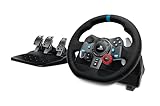


Our Top Picks
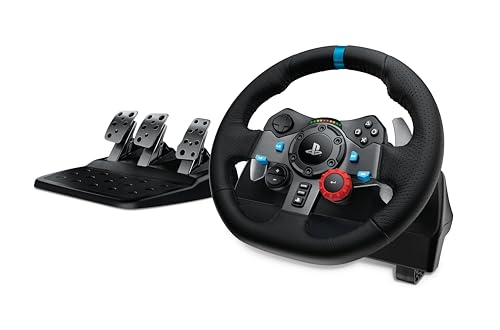 Logitech G29 Racing Wheel and Pedals for PS5/PS4/PC10.24 x 10.94 x 10.63 inches4.96 PoundsDVD-ROMCheck on Amazon
 Logitech G923 Racing Wheel and Pedals for Playstation/PS5/PS410.24 x 10.94 x 6.57 Inches11.9 poundsDVD-ROMCheck on Amazon
 Logitech G920 Racing Wheel and Pedals for Xbox10.94 inches10.24 x 10.94 x 10.63 Inches4.96 PoundsCheck on Amazon

Top 3 picks at a glance
Decide These 3 Things First
Before looking at specific features, you must establish three baseline parameters for your racing setup. Making these decisions early will instantly filter out 70% of the market and save you from buying incompatible hardware.
- Your Mounting Surface: Will you clamp the wheel to a standard 0.75-inch MDF writing desk, mount it to a metal wheel stand, or bolt it into a dedicated steel-frame cockpit? A high-torque wheel will literally shake a cheap desk apart, while a weak wheel will feel lost on a heavy metal rig.
- The Drive Technology: You must choose between gear-driven, belt-driven, or Direct Drive (DD) systems. This choice determines how the motor transfers road feel to your hands. Gear systems are loud and slightly notched but highly affordable; belt systems are smooth and quiet; Direct Drive systems connect the wheel directly to the motor shaft for unmatched realism and power.
- Ecosystem Expansion: Decide if you want a simple “plug-and-play” set that you will keep forever, or if you want an upgradeable platform. Some brands allow you to swap out the steering wheel rim, upgrade to magnetic paddle shifters, or add dedicated handbrakes and gated shifters down the line.
Wheel Rim Size and Layout
Real race car steering wheels typically measure between 320mm and 380mm in diameter. However, to keep manufacturing costs down and prevent motor strain, most PS5 sim wheels are scaled down. Entry-level and mid-range options, such as the Logitech G29 and G923, feature a rim diameter of 270mm to 280mm (10.6 to 11 inches). Premium setups offer full-scale rims measuring 300mm to 320mm (11.8 to 12.6 inches).
Rim size directly impacts your driving physics. A smaller 270mm wheel feels incredibly fast and twitchy, which is ideal for Formula 1 or karting, but it feels unnatural for drifting or rally racing where you need to let the wheel slide through your hands. Additionally, a standard aluminum wheel rim weighs between 2.2 and 3.5 pounds. If you mount a heavy, full-sized 320mm rim onto a weak motor, the rotational weight will dampen the fine force feedback details, making the driving experience feel sluggish.
Materials and Tactile Build Quality
You will spend hours holding this wheel, and your hands will sweat during intense races. Avoid wheels made entirely of hard molded plastics or cheap polyurethane rubber; they become slippery quickly and degrade over time.
For mid-range budgets, look for hand-stitched real leather wrapped around an anodized aluminum core, which is a hallmark of the Logitech G29 series. Real leather provides excellent natural grip and durability. Premium wheels often use genuine Alcantara or suede. While Alcantara offers the absolute best grip when driving, it requires you to wear dedicated racing gloves. If you drive with bare hands, the natural oils from your skin will mat the Alcantara fibers within six months, turning your premium wheel into a slick, worn-out mess.
Pay close attention to the paddle shifters behind the wheel. Budget wheels use plastic paddles with mushy microswitches. Look for steel or aluminum paddle shifters that utilize magnetic switches; they require a distinct physical force to pull and snap back with a sharp, metallic “click” that prevents missed shifts.
Internal Construction and Force Feedback Power
Force feedback is the heart of sim racing. It is measured in Newton-meters (Nm) of torque, representing the rotational power the motor exerts against your hands to simulate tire grip, weight transfer, and track imperfections.
Entry-level gear-driven wheels generate between 2.0 Nm and 2.2 Nm of torque, pulling roughly 24 to 40 watts of power from the wall. While this is enough to feel when your car loses traction, the gears can feel “notchy” as the teeth mesh. Mid-range belt-driven systems step up to 3.9 Nm to 6.0 Nm of torque, offering a much smoother glide. Premium Direct Drive (DD) systems start at 5.0 Nm (often upgradeable to 8.0 Nm with a larger power supply brick) and can exceed 15.0 Nm. For home use on a desk, 5.0 Nm is the absolute limit; anything higher requires a dedicated metal cockpit, or you risk twisting your desk joints or injuring your wrists during a high-speed crash.
Comfort, Ergonomics, and Pedal Performance
A steering wheel is only as good as the pedals resting under your desk. Many cheap bundles include lightweight plastic pedal sets that slide across the floor the moment you press them. Look for a pedal base weighing at least 6 to 10 pounds, featuring integrated carpet spikes or rubber floor grips.
The internal sensor technology of the pedals is critical. Budget pedal sets use potentiometers, which measure how far the pedal is physically depressed. This is highly unrealistic because real-world car brakes rely on hydraulic pressure, not travel distance. Mid-range and premium sets utilize “Load Cell” brake pedals. These sensors measure the actual force (in kilograms or pounds) you exert on the pedal. A high-quality load cell brake can handle between 60 kg (132 lbs) and 90 kg (198 lbs) of pedal pressure, allowing your brain to rely on muscle memory rather than visual cues to hit your braking zones consistently.
Price Tiers and Real Ownership Costs
Sim racing hardware spans three distinct financial tiers. When calculating your budget, remember to factor in the cost of mounting solutions and accessories.
- The Entry-Level Tier ($200 – $300): This tier includes integrated bundles like the Logitech G29 (around $210) and the Logitech G923 (around $280). These packages come with the wheel base, a 3-pedal set, and built-in desk clamps. They are perfect for casual gamers and space-constrained rooms.
- The Mid-Range Tier ($350 – $600): This tier introduces entry-level Direct Drive bases and high-end belt systems. While the wheel feels incredibly smooth, these bundles often omit a clutch pedal or a shifter, forcing you to buy them separately.
- The Premium Tier ($700 – $1,500+): This is the realm of professional modular gear. You buy the Direct Drive wheel base, the steering wheel rim, and the load cell pedals individually to customize your perfect cockpit.
If you prefer driving manual cars, you must also budget for a dedicated gated shifter. For example, upgrading a base G29 with the Logitech G Driving Force Shifter brings the total package price to around $250, which is still highly economical compared to premium stand-alone shifters that cost $150 to $250 on their own.
Warranty, Assembly, and Desktop Footprint
A complete steering wheel and pedal setup occupies a surprising amount of space. A typical wheel base has a physical footprint of roughly 11 inches wide, 12 inches deep, and 11 inches tall, weighing anywhere from 10 to 22 pounds. Pedals add another 12 by 15 inches of floor space.
Assembly times vary wildly. A simple desk-clamped wheel like the Logitech G29 can be mounted, plugged in, and ready to race in under 10 minutes. However, if you are hard-mounting a mid-range or premium system to a dedicated stand using M6 bolts, expect a 1-to-3-hour assembly process requiring hex keys and wrenches.
Because force feedback motors generate significant heat and undergo constant mechanical stress, a robust warranty is essential. Look for a minimum 2-year manufacturer warranty. This ensures that if the internal gears, belts, or optical encoders wear out as you log hundreds of hours of track time heading into 2026, you are fully covered for repairs or replacements.
Spec Checklist
Use this quick-reference table to compare key specifications across the three main market tiers before making your final purchase.
| Specification | Budget Tier ($200 – $300) | Mid-Range Tier ($350 – $600) | Premium Tier ($700 – $1,500+) |
|---|---|---|---|
| Drive System | Dual-motor Gear Drive | Dual-belt or Entry Direct Drive | High-Torque Direct Drive |
| Max Torque (Nm) | 2.0 Nm – 2.2 Nm | 3.5 Nm – 6.0 Nm | 8.0 Nm – 15.0+ Nm |
| Brake Pedal Type | Potentiometer (Non-linear spring) | Progressive spring or basic Load Cell | Heavy-duty Load Cell (up to 90+ kg) |
| Wheel Materials | Leather or Rubber / Aluminum spokes | Perforated Leather / Brushed Metal | Alcantara, Carbon Fiber, CNC Aluminum |
| Desk Clamping | Included (Built-in plastic clamps) | Optional (Often sold separately) | Not recommended (Requires solid metal rig) |
| Power Consumption | 24W – 40W | 60W – 100W | 120W – 180W+ |
Red Flags
When shopping for a PS5 steering wheel, watch out for these critical warning signs that indicate a poor-quality product or compatibility issues:
- “Bungee Cord” or “Tension Band” Resistance: If a product description mentions “bungee resistance” or “linear resistance” instead of “Force Feedback,” avoid it. These wheels do not have motors; they use thick rubber bands to pull the wheel back to the center, offering zero feedback from the game.
- No PlayStation Security Chip: PlayStation consoles require a proprietary hardware security chip inside the wheel base to function. Devices designed strictly for Xbox and PC, like the Logitech G920, will not connect to a PS5 under any circumstances, even if they look identical to their PlayStation counterparts.
- All-Plastic Pedal Armatures: Avoid pedal sets where the actual arms of the clutch, brake, and throttle pedals are made of thin plastic. Under panic-braking situations, you will naturally press down with massive force, which can easily snap plastic pedal arms at their pivot points.
- Proprietary, Non-Detachable Cables: Look for wheel bases that use standard, detachable USB-C or USB-B connection cables. If a wheel has a hard-wired USB cable and your pet chews through it, the entire wheel unit becomes useless junk.
FAQ
Can I use an Xbox-compatible racing wheel on my PS5?
No. PlayStation consoles require a specialized internal security chip to communicate with the system. An Xbox-specific wheel, such as the Logitech G920, will not be recognized by the PS5 interface. Always verify that the product box explicitly lists “PS5” or “PlayStation” compatibility before purchasing.
Is a clutch pedal and manual shifter necessary for PS5 sim racing?
No, they are not strictly necessary. Almost all modern racing games allow you to use automatic shifting or manual shifting via the paddle shifters mounted behind the steering wheel. However, if you enjoy driving vintage sports cars, drifting, or manual rally racing, adding a dedicated clutch pedal and a gated shifter like the Logitech Driving Force Shifter greatly increases immersion.
How much desk space do I need to mount a PS5 steering wheel?
You need at least 12 to 15 inches of clear, flat desk width and about 10 inches of depth to clamp the wheel base securely. Additionally, make sure your desk surface is between 0.5 inches and 2.0 inches thick so the built-in C-clamps can bite down securely without slipping.
What is the difference between gear-driven and direct-drive systems?
Gear-driven systems use an internal motor connected to a set of gears to multiply force, which can feel slightly notched and make physical noise during fast turns. Direct Drive systems mount the steering wheel directly onto a heavy-duty industrial motor shaft. This eliminates gears and belts entirely, providing completely silent operation, instant feedback response, and much higher torque limits.
Related guides
- Best Free MMOs on Steam: Subscription Limits, Pay-to-Win and Time Cost (2026)
- Best Free Horror Games on Steam: How to Pick One That Fits Your PC and Your Nerves (2026)
- Black Frame Insertion vs VRR: Which Smoothness Feature Should You Use?
- Best Webcams for Streaming: 11 Listings Compared by Resolution, Focus and Light (2026)