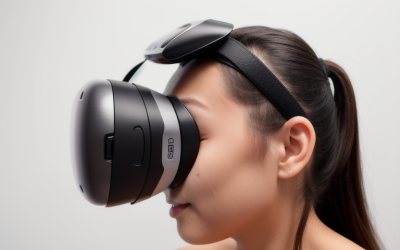
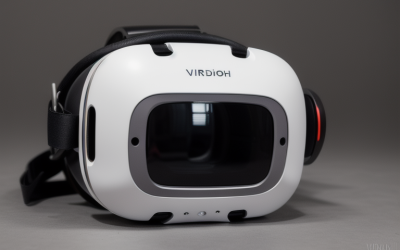
Designing a modern home entertainment or gaming space is no longer just about choosing the right sectional sofa or media console. With virtual reality becoming a mainstream household staple, interior layout and technical cable management have collided. When setting up a high-performance PC-based VR space, the physical connection between your computer and your head-mounted display (HMD) dictates not only your visual immersion but also how clean, safe, and clutter-free your living space remains.
The core dilemma many homeowners face when routing cables through a living room, dedicated office, or basement media center is choosing between displayport over usb c vs hdmi for vr headsets. On one hand, HDMI is the familiar, stout connector that has lived behind our televisions for two decades. On the other, DisplayPort over USB-C represents the sleek, modern paradigm of single-cable power and high-bandwidth data. Balancing the technical demands of high-refresh-rate VR with the aesthetic and safety demands of your home requires a close look at how these two connection standards perform in real-world living spaces.
As an Amazon Associate we earn from qualifying purchases at no extra cost to you.


Whether you are setting up a family-friendly play zone with a standalone-hybrid option like the Meta Quest 3S 256GB | VR Headset (priced at $449) or experimenting with entry-level mobile setups like the TECKNET VR Headset for Phone with Bluetooth Controller (priced at around $50) before committing to a hardwired PCVR configuration, understanding your cable path is essential to a successful room design.
Our Top Picks
 TECKNET VR Headset for Phone with Bluetooth ControllerVR Headset + Controller7.28 x 3.94 x 3.35 inchesCheck on Amazon


Top 3 picks at a glance
Quick Verdict
For the vast majority of modern home setups, DisplayPort over USB-C is the superior choice for VR headsets. It provides the massive bandwidth required for uncompressed, high-refresh-rate visuals while keeping the cable profile incredibly thin, lightweight, and easy to route along baseboards or ceiling tracks. HDMI remains a reliable fallback for older graphics cards, legacy headsets, and direct-to-TV mirroring, but its thicker, heavier cables create more physical drag during gameplay and present a more challenging cable management profile in a beautifully designed room.
Side by Side
When integrating virtual reality into your home, the physical properties of the cable matter just as much as the digital signal it carries. Below is a direct comparison of how these two cable standards impact your home environment, aesthetics, and daily usage.
| Feature/Aspect | DisplayPort over USB-C | HDMI (High-Definition Multimedia Interface) |
|---|---|---|
| Comfort & Ergonomics | Excellent. Thin, highly flexible cables (typically 4mm to 5mm diameter) reduce physical neck strain and cable drag. | Moderate. Thicker, stiffer cables (often 6mm to 8mm diameter) pull on the headset during rapid head movements. |
| Durability | High. USB-C connectors are designed for thousands of duty cycles, though the thin cables must be protected from tight bends. | Very High. HDMI connectors are robust and bulky, but the stiff internal copper shielding can degrade if repeatedly twisted. |
| Price Range | $10 to $80+ (dependent on length and whether it is a fiber-optic hybrid cable). | $8 to $50+ (active HDMI cables for long runs can be more expensive). |
| Maintenance & Routing | Very easy. Fits easily into slim surface-mount raceways, under rugs, or through ceiling-mounted retraction pulleys. | Challenging. Harder to conceal around tight corners or flush against baseboards due to a larger bend radius. |
| Space Needed | Minimal. Plugs sit flush; cables coil tightly into small drawers or decorative baskets when not in use. | Moderate. Requires significant clearance behind the PC chassis (often 3 to 4 inches of straight clearance). |
| Visual Look in Home | Sleek, minimalist, and modern. Often resembles a simple phone charging cord. | Industrial and heavy. Harder to hide and easily dominates the visual space behind a desk or media cabinet. |
| Resale Value & Future-Proofing | Excellent. USB-C Alt Mode is the primary standard for next-generation hardware and graphics cards. | Declining for VR. While still standard for televisions, it is rapidly being phased out of dedicated VR head-mounted displays. |
| Best For | Modern PCVR setups, laptop-based gaming, minimalist rooms, and highly active room-scale VR. | Console VR (like PlayStation VR), older desktop PCs, and static, seated VR experiences (like flight simulators). |
Where Displayport Over Usb C Wins
The primary advantage of DisplayPort over USB-C is its massive, uncompressed bandwidth coupled with a remarkably small physical footprint. By utilizing DisplayPort Alternate Mode (Alt Mode), a USB-C port can transmit native DisplayPort video signals directly from your graphics card to your headset. This allows you to run high-resolution panels at 90Hz, 120Hz, or even 144Hz without the visual compression artifacts that can sometimes plague standard USB data connections.
From an interior design and livability perspective, USB-C is a revelation. Because the physical connector is tiny and the cables are highly flexible, they are incredibly easy to hide. You can run a premium cable, such as the UGREEN Unidirectional USB C to DisplayPort 1.4 Cable (priced at around $17), from a sleek gaming laptop to a wall-mounted hook without disrupting the clean lines of a modern home office. For shorter desktop setups where you are adapting a USB-C output to a DisplayPort-based headset, a budget-friendly option like the BENFEI USB-C to DisplayPort 6 Feet Cable (priced at around $8) keeps your desk clutter to an absolute minimum while still supporting high refresh rates.
Furthermore, USB-C has the unique ability to deliver power alongside video and data. While a standard DisplayPort cable only carries video and audio, a properly configured USB-C port can deliver up to 100 watts of power (though VR headsets typically draw between 15 and 27 watts). This means you do not need to run a separate, heavy power brick and wall plug to your headset, removing yet another source of visual clutter and trip hazards from your living room floor.
Where Hdmi for Vr Headsets Wins
While USB-C is the darling of modern tech enthusiasts, HDMI remains a deeply entrenched and incredibly reliable standard. Its greatest strength is universal compatibility. Nearly every television, AV receiver, projector, and desktop graphics card built in the last fifteen years features at least one HDMI port. If you are setting up a VR station in a traditional home theater or living room, HDMI is already there, waiting to be used.
HDMI also excels in physical connection security. A standard HDMI port has a larger surface area and a deeper insertion depth than a USB-C port. When you are moving dynamically in a room-scale VR game, your cable will inevitably experience some tension. A USB-C connector, with its small, friction-fit design, can sometimes wiggle loose or disconnect if pulled at an awkward angle. An HDMI cable, especially one with a locking or high-friction grip, stays firmly seated in the back of your PC or console.
Additionally, for long-distance cable runs, copper HDMI cables are often more robust over distances of 15 to 25 feet without needing expensive active optical chips. If you have your PC tucked away in a ventilated closet and want to run a cable through the wall to your main living space, a heavy-duty, shielded HDMI cable is a tough, reliable option that can survive being pulled through tight drywall spaces and around structural studs.
Cost Over 5 Years
When budgeting for a home VR setup, it is easy to focus solely on the upfront cost of the headset. However, the cables, adapters, and potential wear-and-tear replacements over a five-year lifecycle can add up significantly. Let’s break down the projected costs of maintaining both connection types in a typical household.
With DisplayPort over USB-C, your initial cable investment will range from $15 to $80 depending on the length. Over a five-year period, the thinness of USB-C cables can make them slightly more vulnerable to being stepped on, run over by office chairs, or chewed by pets. You should budget for at least one replacement cable during this time. Additionally, as graphics cards and VR headsets evolve, you may need to upgrade to higher-bandwidth cables (such as upgrading from DP 1.4 to DP 2.1 specs) to support next-generation displays. Total projected 5-year cost: $50 to $150.
With HDMI, the cables themselves are cheaper and physically tougher, meaning you are unlikely to break one simply by stepping on it. However, the hidden cost of HDMI lies in adapters and hubs. Because modern graphics cards are moving away from HDMI in favor of DisplayPort and USB-C, you may find yourself needing active converters or specialized breakout boxes to connect a legacy HDMI VR headset to a newer PC or laptop. These active converters can cost anywhere from $30 to $100 and can occasionally fail, requiring replacement. Total projected 5-year cost: $40 to $120.
Which One for Your Home
Every home has its own architectural quirks, safety considerations, and aesthetic guidelines. Here is how to choose the right connection standard based on your specific living situation.
Small Apartment
In a small apartment, space is at a premium, and rooms must serve multiple purposes. Your living room might be your home office by day and your VR play space by night. In this scenario, DisplayPort over USB-C is the clear winner. The thin, highly flexible cable can be easily coiled up and tucked into a decorative drawer or basket when not in use. Because USB-C can carry both video and power, you eliminate the need for a bulky power brick sitting on your floor, keeping your limited floor space clean and elegant.
Family with Kids or Pets
If your home is filled with active children, curious dogs, or cats that love to chew on dangling wires, safety and durability are your top priorities. Here, the choice is a double-edged sword. While HDMI cables are thicker and more resilient to physical damage (like being stepped on or lightly chewed), they also present a greater trip hazard because they do not give way easily if snagged. If safety is the primary concern, a USB-C setup paired with a breakaway adapter is ideal. If a child or pet trips over a USB-C cable, it is much more likely to pull cleanly out of the port without dragging your expensive gaming PC off its shelf.
Rental Home
As a renter, you cannot drill holes in the walls to route cables, nor can you pull up the carpet to hide thick wires. You must rely on surface-level cable management. DisplayPort over USB-C is incredibly well-suited for rentals. Because the cable diameter is so small, you can easily tuck it under the plastic lip of your baseboards or run it through paint-safe, adhesive-backed rubber cable tracks. When it is time to move, these lightweight tracks peel off the wall without leaving the massive damage that routing a thick, heavy HDMI cable would cause.
Long-Term Home
If you own your home and are designing a dedicated, permanent VR or media room, you have the luxury of in-wall routing and custom finishes. As we look ahead to the state of home theater design in 2026, clean cord management is becoming an expectation rather than a luxury. For a permanent installation, we recommend running both standards through your walls using brushed pass-through wall plates. Run a high-quality active optical USB-C cable for your primary, high-end PCVR headset, and run a shielded HDMI cable alongside it to easily mirror your VR gameplay to a wall-mounted TV or projector for guests to watch.
FAQ
Can I use a standard phone charging USB-C cable for VR?
No. Standard USB-C cables that come with smartphones are typically only rated for USB 2.0 data speeds (480 Mbps) and do not support DisplayPort Alternate Mode. For VR, you need a high-speed USB-C cable rated for at least USB 3.2 Gen 2 (10 Gbps) or a dedicated DisplayPort 1.4 Alt Mode cable to handle the massive video data stream.
Does HDMI support the same high refresh rates as DisplayPort over USB-C?
Generally, no. While HDMI 2.1 has closed the gap significantly, older HDMI 2.0 ports (which are still common on many mid-range laptops and older headsets) are limited to lower bandwidths, often capping refresh rates at 90Hz or requiring a drop in visual resolution. DisplayPort 1.4 and 2.1 protocols carried over USB-C offer much higher native bandwidth for uncompressed high-frame-rate gaming.
What happens if my computer doesn’t have a USB-C port with DisplayPort support?
If your PC or laptop has a USB-C port but it does not support DisplayPort Alt Mode (look for a small lightning bolt or DP logo next to the port), it will not output a video signal to a VR headset. In this case, you will need to use a standard DisplayPort or HDMI port on your dedicated graphics card, or purchase an active adapter that converts a standard DisplayPort output to USB-C.
Are wireless VR headsets a better option for keeping a clean home?
Wireless VR headsets, such as the Meta Quest 3S, offer the ultimate clean-home aesthetic because they require no physical cables during gameplay. However, for high-end PC VR games with complex physics and ultra-realistic graphics, a wired connection (like DisplayPort over USB-C) is still preferred by enthusiasts to eliminate latency, compression artifacts, and the worry of battery life mid-game.