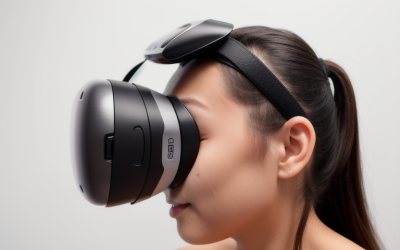
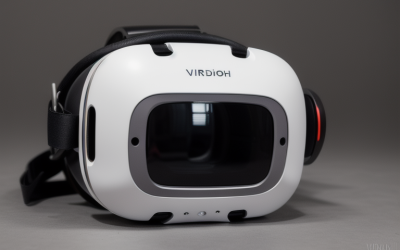
Integrating high-end virtual reality into a home isn’t just a tech purchasing decision; it is a spatial and interior design challenge. When evaluating wired vs wireless pcvr headsets, the debate extends far beyond frame rates and tracking algorithms. You are deciding whether your living space will accommodate 16-foot tether cables and ceiling-mounted pulley systems, or if you prefer a clean, minimal aesthetic reliant on dedicated Wi-Fi 6E routers and battery management routines. Both approaches deliver immersive PC-powered virtual reality, but they fit into real-world living rooms, home offices, and dedicated entertainment dens in fundamentally different ways.
Our Top Picks
 RUSK Designer Collection Wired Flexible Styling Creme 66 Ounce (Pack of 1)10.9 x 1.9 x 6.9 Inches0.4 poundsCheck on Amazon


Top 3 picks at a glance
Quick Verdict
If your priority is uncompromised visual fidelity, zero latency, and non-stop simulation sessions in a dedicated space, a wired PCVR headset remains the gold standard. However, for most modern homes, a wireless PCVR headset offers the ideal balance of spatial freedom, living room safety, and interior flexibility. Wireless headsets eliminate physical trip hazards and visible cable clutter, allowing a living room to return to its tidy, relaxed state the moment your gaming session ends.
As an Amazon Associate we earn from qualifying purchases at no extra cost to you.




Side by Side
| Feature / Attribute | Wired PCVR Headsets | Wireless PCVR Headsets |
|---|---|---|
| Comfort & Ergonomics | Lighter front chassis (400g–500g); noticeable rear cable drag | Heavier total weight (600g–750g); balanced by rear battery counterweight |
| Durability | Optical cables vulnerable to twisting, stepping, and pet damage | No tether wear; internal lithium batteries degrade over 3–5 years |
| Price Range | $500 to $1,500+ (headset and tether included) | $300 to $1,000 (plus $150–$250 for a dedicated router) |
| Maintenance | Untangling cables; setting up ceiling pulley tension systems | Managing battery charge cycles; maintaining 6 GHz network traffic |
| Space Needed | Fixed 6×6 ft play area tied directly to PC tower location | Flexible 10×10 ft (or larger) play space anywhere within router range |
| Visual & Aesthetic Look | Exposed cords, floor runners, or visible ceiling hooks | Sleek, self-contained, easily stored inside a decorative basket or drawer |
| Resale Value | Moderate; appeals to niche simulator enthusiasts | High; broad consumer appeal for both standalone and PC streaming |
| Best For | Sim-racers, flight-sim operators, graphics purists | Active room-scale VR, multi-purpose living rooms, family homes |
Where Wired Wins
Wired PCVR headsets excel in raw performance and continuous power delivery. By routing data directly through a 5-meter DisplayPort or USB-C optical tether, these headsets bypass compression algorithms entirely. You receive an uncompressed video stream with latency as low as 1 to 5 milliseconds, compared to the 25 to 45 milliseconds typical of wireless streaming over local Wi-Fi networks.
Because wired units do not require built-in batteries, decoding processors, or heavy cooling fans, the physical unit resting on your face is significantly lighter—often hovering between 400 and 500 grams. This reduced facial pressure makes a substantial difference during three-hour flight simulation sessions. Users often streamline their setup with lightweight audio accessories, such as plugging in straightforward ear buds like the Apple EarPods Headphones with USB-C Plug, Wired Ear Buds with Built-in Remote to Control Music, Phone Calls, and Volume directly into the headset’s auxiliary audio jack for instant, zero-latency sound without extra wireless overhead.
Physical prep is minimal on the tech side: you plug in the cable and play indefinitely without monitoring power percentages. Maintaining comfort during intense wired sessions often comes down to simple personal routines—some gamers even keep hair neat and back from optical sensors with a dab of styling product like RUSK Designer Collection Wired Flexible Styling Creme 6 Oz, 6 Oz, IRAWRDP6 before slipping on the head strap, ensuring the facial interface seals cleanly without constant readjustment.
Where Wireless Pcvr Headsets Wins
The primary advantage of wireless PCVR headsets is the absolute elimination of physical tethers. In a home context, this completely changes room dynamics. You are no longer anchored within 15 feet of a bulky desktop gaming tower. You can run your high-end PC in a quiet home office while streaming virtual reality content over a 6 GHz Wi-Fi 6E or Wi-Fi 7 connection into a spacious, open living room clear of fragile furniture.
Wireless setups preserve home aesthetics. When guests arrive, there are no ceiling pulleys dangling from drywall anchors or thick black cords snaking across hardwood floors. The headset, controllers, and compact accessories store neatly inside a media console drawer. Dedicated PCVR streaming uses bitrates between 120 Mbps and 200 Mbps, delivering sharp 4K-per-eye visuals that closely match tethered experiences without visual artifacts when network channels are managed properly.
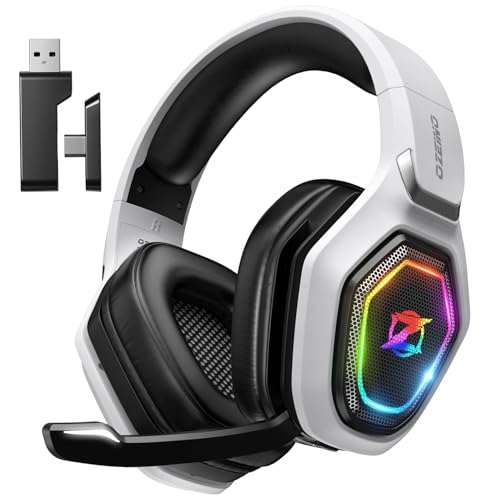
A wireless VR ecosystem also encourages clean design choices for surrounding tech. Gamers who prefer uncluttered desks often pair their setups with general-purpose wireless audio gear, like an Ozeino Wireless Gaming Headset for PS5, PC, Switch| Lossless Audio-40H Batt for immersive multi-platform audio, or keep a multipurpose PrancyBt Wireless Headset with Noise Cancelling Microphone, Bluetooth Headset with Mic for Work, Wireless Headphones with Mute & USB Dongle for Work from Home/PC/Computer/Call Center on hand to seamlessly transition between VR work applications and everyday office tasks.
Cost Over 5 Years
Evaluating the true cost of wired vs wireless pcvr headsets requires looking past the initial box price to calculate accessories, wear-and-tear replacements, and infrastructure updates over a five-year ownership cycle.
Wired PCVR Headset Ownership (5-Year Estimate):
- Initial Headset Purchase: $800
- Ceiling Pulley / Cable Management Kit: $40
- Replacement Optical Tether Cables (2 over 5 years due to twisting/strain): $180
- Display Adapters or Extension Hubs: $50
- Total Estimated Cost: $1,070
Wireless PCVR Headset Ownership (5-Year Estimate):
- Initial Headset Purchase: $500
- Dedicated Wi-Fi 6E Router / Access Point: $180
- Hot-Swappable Battery Counterweight Packs (2 x 5000 mAh): $100
- Upgraded Comfort Head Strap: $60
- Replacement Internal/External Battery Mod (Year 4): $70
- Total Estimated Cost: $910
While wireless headsets require investment in networking gear and extra batteries, their long-term cost remains competitive because you avoid replacing expensive, proprietary fiber-optic tether cables that inevitably suffer flex damage over time.
Which One for Your Home
Small Apartment or Studio
In compact living spaces, flexibility is essential. A wireless PCVR headset is the clear winner here. A studio apartment rarely has room for a permanent VR zone near a desktop computer. Wireless streaming allows you to push back your coffee table, create a temporary 7×7 foot play boundary in the middle of the room, and play freely. Once finished, the headset tucks away in a closet, restoring your living area completely.
Family with Kids or Pets
Safety makes wireless the obvious choice for family homes. A heavy tether cable stretched taut across a room is a tripping hazard for young children and an enticing chew toy for dogs. A sudden tug on a wired VR cable can easily pull a $2,000 gaming desktop off a desk onto the floor. Eliminating the physical cord keeps both your family and your expensive hardware safe.
Rental Space
If you rent your apartment or house, installing overhead pulley systems with adhesive hooks or ceiling screws is often prohibited or leaves unsightly damage. Wireless headsets require zero wall or ceiling modifications. Your entire spatial setup relies on digital boundary mapping stored in the headset software, leaving your rental walls untouched.
Long-Term Home or Dedicated Game Room
If you own your home and have dedicated a room specifically to gaming or simulation—such as a flight simulator rig or racing seat setup—a wired PCVR headset is the superior choice. You can permanently route tether cables along walls or install ceiling-mounted retractable reels. In this fixed environment, you benefit from uncompressed visual detail, ultra-low latency, and unlimited play time without ever needing to pause and recharge a battery pack.
FAQ
How much Wi-Fi speed do wireless PCVR headsets actually need?
Wireless PCVR streaming does not depend on your internet speed, but rather your local network bandwidth between your PC and the headset. You need a router capable of dedicated 5 GHz or 6 GHz transmission with at least 1200 Mbps network link speed. For best performance, connect your PC directly to the router using a Gigabit Ethernet cable.
Can you turn a wired PCVR headset into a wireless one?
Most dedicated wired PCVR headsets cannot be converted to wireless. They rely on direct DisplayPort hardware connections to process raw video signals. A few older models had third-party wireless adapter kits, but modern headsets are built specifically for one format or the other from the ground up.
Do wireless PCVR headsets overheat during long gaming sessions?
Modern wireless headsets feature built-in active cooling fans that draw fresh air through the front housing to cool the onboard processor and battery. While the front plate may feel warm to the touch after an hour of heavy decoding, built-in thermal management prevents overheating under normal room temperatures (68°F to 75°F).
What is the modern standard for PCVR setups looking ahead to 2026?
Looking toward 2026, the industry has shifted heavily toward high-bandwidth wireless streaming powered by Wi-Fi 6E and Wi-Fi 7 standards. Dedicated wired connections remain popular among niche simulator enthusiasts, but standalone hardware with high-bitrate PC wireless streaming has become the dominant standard for home virtual reality.