Our Short List of 3

- Best for: Simple interviews where quick setup and reliable 1080p video matter most.
- Resolution: 1080p Full HD
- Light adjustment: Auto light balance
- Microphone: Integrated microphone
- Privacy: Built-in privacy shutter

- Best for: All-round interviews where autofocus and clear dual microphones earn their keep.
- Resolution: 1080p at 30 fps
- Field of view: 78 degrees
- Microphones: Dual stereo microphones
- Focus: Autofocus
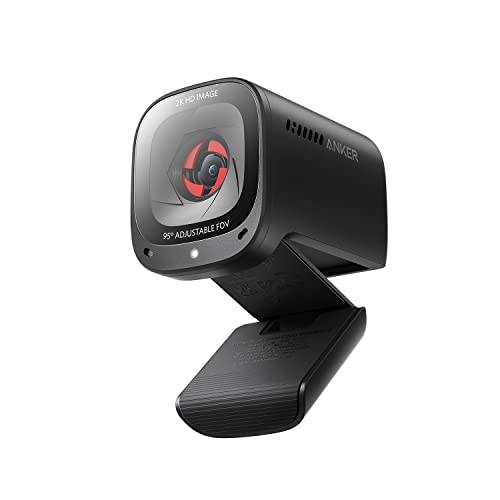
- Best for: Noisy rooms and shared spaces where one camera covers the interview.
- Resolution: 2K video
- Microphone: AI-powered noise cancelling microphone
- Framing: Auto framing
- Low light: Low-light correction
All 4 Picks at a Glance
| Product | Specs | Action |
|---|---|---|
| Logitech Brio 100 |
| Check price on Amazon |
| Logitech C920s Pro |
| Check price on Amazon |
| Anker PowerConf C200 |
| Check price on Amazon |
 OBSBOT Tiny 2 |
| Check price on Amazon |
A video interview is a first impression delivered through a lens, and the camera decides how that impression lands. A blurry picture, a dark room, or a microphone that catches every echo tells the interviewer more than any answer can fix. The right webcam keeps your face sharp, your voice clear, and the frame steady, so the conversation stays about your experience rather than your setup. Good lighting and a clean background help just as much as the camera itself.
This guide is for job seekers preparing for video interviews on a laptop or desktop. Every product below was chosen from the name and specifications shown on its Amazon page, with resolution, framing, microphones, and low-light performance compared so you can walk into the call looking and sounding your best.
Our Top Picks
Top 3 picks at a glance
Quick Picks
As an Amazon Associate we earn from qualifying purchases
| Product | Best for | Key spec from title |
|---|---|---|
| Logitech Brio 100 | Simple setup before the call | 1080p, privacy shutter |
| Logitech C920s Pro | Reliable all-round interviews | 1080p, autofocus |
| Anker PowerConf C200 | Noisy rooms and shared spaces | 2K, AI noise cancelling |
| OBSBOT Tiny 2 | Presenting and moving on camera | 4K, AI tracking |
How to Choose
Resolution and sharpness
Resolution sets how crisp your face looks on the interviewer’s screen, and 1080p is the baseline for a professional call. A 1080p camera keeps facial expressions readable, while a 2K or 4K camera adds detail that survives cropping and poor lighting. Higher resolution also helps when the interviewer views the call on a large monitor. Autofocus matters as much as resolution, since a camera that drifts out of focus when you lean forward undermines the picture. Check the resolution and the focus type on the listing, and favor autofocus over fixed focus for an interview where you will move naturally. Favor cameras that hold focus through a long call, not just in a still frame.
Framing and field of view
Field of view decides how much of the room the camera shows, and for an interview the frame should hold your head and shoulders with a clean background. A narrow view around 60 to 78 degrees keeps the focus on you and hides a messy room, while a wide view suits two people sharing one camera. Auto framing adjusts the shot as you move, which helps if you gesture or shift in your seat. A camera with an adjustable field of view lets you tighten the frame for a formal interview or widen it for a panel discussion. Set the frame before the call starts, and check it on screen.
Microphones and noise
The microphone decides whether the interviewer hears your answers or your surroundings, and a good one matters more than most buyers expect. Dual microphones capture the voice more clearly than a single mic, and AI noise cancellation filters out fans, traffic, and household sounds. A headset is still the safest choice for a noisy room, but a camera with a strong microphone covers quiet spaces well. Check the microphone type on the listing, and record a short test clip before the interview so a noisy room never surprises you. If the room echoes, add soft furnishings or move closer to the camera.
Lighting and privacy
Lighting shapes the picture more than the sensor does, and a camera with auto light balance handles a bright window or a dim corner without manual tweaks. Low-light correction helps evening interviews, while a large sensor keeps noise down in a dark room. A privacy shutter matters after the call, since it covers the lens with a physical slide rather than a software toggle. Position a lamp behind the camera and facing you, keep the window to the side rather than behind you, and close the shutter when the interview ends. A camera with auto light balance helps, but it cannot fix a face lit from behind by a window.
The 4 Best Options
Logitech Brio 100
- Best for: Simple interviews where quick setup and reliable 1080p video matter most.
- Resolution: 1080p Full HD
- Light adjustment: Auto light balance
- Microphone: Integrated microphone
- Privacy: Built-in privacy shutter
Simple interviews where quick setup and reliable 1080p video matter most.
Fixed focus and a basic microphone struggle in noisy rooms.
The Logitech Brio 100 is the camera for an interview that must start without a setup ritual. It clips onto a monitor, plugs into a USB port, and delivers clear 1080p video with automatic light balancing that handles a bright window or a dim corner. The built-in microphone suits a quiet room, and the privacy shutter slides closed with a flick when the call ends. It is not the sharpest camera in this guide, but for a one-to-one interview it is the least demanding option, and the clip grips a laptop lid firmly while the short cable stays out of the way.
Logitech C920s Pro
- Best for: All-round interviews where autofocus and clear dual microphones earn their keep.
- Resolution: 1080p at 30 fps
- Field of view: 78 degrees
- Microphones: Dual stereo microphones
- Focus: Autofocus
All-round interviews where autofocus and clear dual microphones earn their keep.
The 78-degree view is narrow for two people sharing one camera.
The Logitech C920s Pro has been the default video call camera for years, and it stays on this list because it keeps doing the basics well. Autofocus keeps your face sharp as you lean in or sit back, dual microphones capture your voice more clearly than a single mic, and the 1080p picture holds up in typical home lighting. The privacy shutter covers the lens between calls, and the camera works with every major meeting platform without extra software. Setup takes seconds, and nothing needs installing. If you want one camera that handles any interview without surprises, this is the safe choice.
Anker PowerConf C200
- Best for: Noisy rooms and shared spaces where one camera covers the interview.
- Resolution: 2K video
- Microphone: AI-powered noise cancelling microphone
- Framing: Auto framing
- Low light: Low-light correction
Noisy rooms and shared spaces where one camera covers the interview.
Auto framing can feel restless if you move around a lot during the call.
The Anker PowerConf C200 suits an interview from a shared or noisy space, where one camera must handle the room as well as the speaker. Its 2K resolution keeps faces sharp even when the frame holds more than one person, and the AI noise-cancelling microphone filters out the hum of a room so voices come through cleanly. Auto framing adjusts the shot as you move, and low-light correction helps in rooms where the lighting is uneven. It is a step up from a basic desk camera, and the difference shows on every call. The adjustable field of view also suits a two-person panel interview.
OBSBOT Tiny 2
- Best for: Presenting, demonstrating, and moving around during an interview.
- Resolution: 4K video
- Sensor: 1/1.5-inch CMOS sensor
- Tracking: AI auto tracking with gesture control
- Low light: Dual native ISO
Presenting, demonstrating, and moving around during an interview.
Needs more setup than a plug-and-play camera, and tracking can distract in a static call.
The OBSBOT Tiny 2 is the camera for an interview where you present rather than sit still. Its AI tracking follows you as you move, gesture control lets you zoom or switch framing with a hand signal, and the large sensor handles dim rooms better than any other camera here. The 4K picture stays sharp when the interviewer crops in, and the dual native ISO keeps noise down in low light. It needs more setup than a plug-and-play camera, but for a presentation-style interview it behaves like a camera operator rather than a webcam.
Which One Fits Your Situation
A first video interview from home
The Brio 100 fits a first video interview from a quiet home office, because it sets up in seconds and delivers clean 1080p video without software or settings. Clip it on, plug it in, and check the frame once before the call. The privacy shutter covers the lens when the interview ends. Choose it when the interview is one-to-one, the room is quiet, and the priority is a camera that simply works.
An interview that must not go wrong
The C920s Pro fits an interview where reliability matters more than anything, because autofocus, dual microphones, and a privacy shutter cover the basics without surprises. It works with every major platform, and the picture holds up in ordinary home lighting. Pick it when you want one camera that handles any interview, any platform, and any room without a rehearsal.
Interviewing from a noisy shared space
The PowerConf C200 fits an interview from a shared flat, a busy household, or a co-working space, because its AI noise cancellation filters out background sound and its 2K resolution keeps your face sharp. Auto framing holds the shot as you shift in your seat, and the adjustable field of view tightens the frame on you alone. Choose it when the room is the problem and the camera must solve it.
A presentation-style interview
The Tiny 2 fits an interview where you demonstrate, teach, or present, because its AI tracking follows you as you move and gesture control changes the framing without touching the camera. The 4K picture and the large sensor keep the image clean in dim rooms, and the digital zoom frames a whiteboard or a product. Pick it when the interview is a performance rather than a seated conversation.
Common Mistakes
- Sitting with a bright window behind you and turning your face into a silhouette.
- Using a laptop microphone in a noisy room when a camera with noise cancellation would fix it.
- Skipping a test call and discovering the framing or the focus only after the interview starts.
- Choosing a wide field of view for a solo interview and showing the whole messy room.
- Forgetting the privacy shutter and leaving the camera uncovered after the call ends.
Frequently Asked Questions
What resolution do I need for a video interview?
1080p is enough for a professional interview, since it keeps facial expressions readable on any screen. A 2K or 4K camera adds detail that helps on large monitors and in poor lighting, and it survives cropping better. Choose 1080p for a standard call and 2K or 4K when the interview involves presenting or a large screen.
Should I use a headset or the webcam microphone?
A headset is safer in a noisy room, since it puts the microphone close to your mouth and blocks background sound. A webcam with dual microphones and noise cancellation covers a quiet room well and keeps the setup simple. If the room echoes or the household is busy, wear the headset.
How should I frame myself for a video interview?
Center your head and shoulders in the frame with a little space above your head, and keep the camera at eye level rather than below your chin. A narrow field of view hides a messy room, while a wide view suits a panel discussion.
Does lighting really matter for a video interview?
Yes, lighting shapes the picture more than the camera sensor does. Place a lamp behind the camera and facing you, keep windows to the side rather than behind you, and avoid overhead lights that cast shadows. A camera with auto light balance helps, but it cannot fix a face lit from behind.
Related guides
More from Amazon
Programs that pair well with the guide above. Offers and eligibility are set by Amazon and may change.
Free shipping on eligible items, Prime Video and more. Eligible new members can start with a free trial.
Start a Prime free trialAd-free music streaming. Eligible new subscribers can start with a free trial.
Try Music Unlimited freeA Prime membership for ages 18-24 with a trial period. Eligibility is set by Amazon.
See Prime for Young AdultsAudiobooks and podcasts to listen to on the go. Eligible new members can start with a free trial.
Try Audible freeAs an Amazon Associate we earn from qualifying purchases.