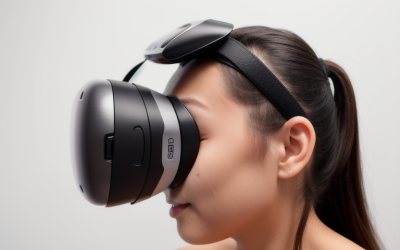
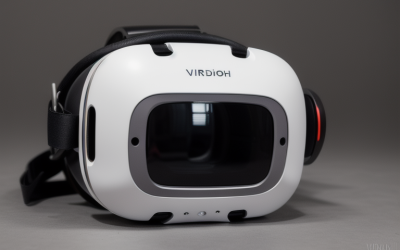
Our Top Picks


The Short Answer
Yes, VR sweat guards are worth it for fitness gaming — if you play sweat-heavy games more than twice a week for 20+ minutes per session. For casual players who mostly do seated or low-movement games, they are an optional comfort upgrade, not a necessity. The one condition that decides it is frequency and intensity: if titles like Beat Saber, Supernatural, Les Mills Bodycombat, Pistol Whip, or Thrill of the Fight are your regular workout, a $12 to $20 sweat guard pays for itself by protecting your headset’s foam, improving hygiene, and cutting cleanup time. If you only play occasionally and never see sweat dripping into the facial interface, you can skip it.
What You Actually Get
A VR sweat guard is not a single product. There are two main styles, and they solve the same problem in different ways.
As an Amazon Associate we earn from qualifying purchases at no extra cost to you.


The first is the disposable non-woven fabric cover, like the Fabater VR Sweat Cover. You get 50 single-use liners for around $17, which works out to about $0 per session. Each liner is a thin, breathable strip roughly 9 to 10 inches wide that stretches over the facial interface and sticks with light adhesive or elastic. It creates a moisture barrier between your skin and the stock foam padding. Weight is negligible at under 5 grams per cover, and it adds less than 2mm of thickness, so it does not change the field of view in a meaningful way.
The second is the reusable silicone face pad cover, like the APEXINNO VR Silicone Face Pad Cover for Meta Quest 3. Priced around $19 for a single washable cover, it is a medical-grade silicone layer that replaces or wraps over the factory foam. It measures to match the Quest 3 interface exactly — about 6.3 inches wide and 3.5 inches tall — with cutouts for the nose guard and light-blocking flaps. It weighs 28 to 35 grams and is designed to be wiped clean in seconds. Unlike fabric, silicone does not absorb sweat at all; it repels it.
Both types aim to do three things: stop sweat from soaking into the porous foam that ships with most headsets, prevent salty moisture from seeping toward the lenses and top strap, and make the headset shareable without a damp, bacterial foam. Neither type adds electronics, batteries, or wattage — they are purely passive hygiene accessories.
Pros
- Protects the stock foam from permanent damage. Factory foam is open-cell and acts like a sponge. Once saturated repeatedly, it breaks down, smells, and can flake. A guard keeps that $25 to $40 replacement facial interface from needing replacement every few months if you train regularly.
- Cuts cleanup from minutes to seconds. Without a guard, you need to pat dry the foam, wipe the plastic, and let it air out for 30 to 60 minutes. With silicone, you wipe with a damp cloth or alcohol-free wipe and it is dry in under 15 seconds. With disposable covers, you peel and toss.
- Improves hygiene for shared headsets. If two or more people use the same Quest 2, Quest 3, or Quest Pro, a disposable cover is the most sanitary option. No one wants to put on a damp foam pad left by the last player, and silicone can be sanitized between users far more reliably than foam.
- Reduces light leak and sweat drip. Reusable silicone covers with an extended nose pad and side flaps, like the APEXINNO design, block the small gap around the nose where light sneaks in and where sweat tends to run down toward your cheeks and into the headset cavity.
- Better comfort during long workouts. Breathable non-woven fabric stays softer against skin than rubbery silicone when you are sweating heavily, while silicone feels cooler and less itchy than soaked foam. Both are more comfortable than wet foam after the 15-minute mark in a high-intensity session.
- Cheap insurance for an expensive headset. Meta Quest 3 starts at $499 and other PC VR headsets run $400 to $1,000. Spending $17 to $20 to keep corrosive sweat away from facial proximity sensors, lens housing, and the head strap is a low-cost preventive measure.
Cons
- Comfort trade-offs are real. Silicone does not breathe. In a hot room without a fan, sweat pools on the surface instead of being absorbed, which can feel slick and require a mid-workout wipe. Some users find silicone sticks to the skin and causes more facial pressure marks than foam.
- Disposable cost adds up. At around $0 to around $0 per cover, daily fitness gamers will spend $9 to $12 per month and $110 to $145 per year if they use a fresh one every session. That is more expensive long-term than one washable silicone cover.
- Fit is headset-specific. A silicone cover molded for Meta Quest 3 will not fit a Quest 2, Pico 4, or Valve Index correctly. You must buy the exact model for your headset, and a poor fit can shift during burpees or boxing dodges, breaking immersion.
- Does not stop forehead or scalp sweat. Guards only protect the contact ring around your eyes and cheeks. If you sweat heavily from the forehead, moisture will still run down from above the interface unless you also wear a headband or skull cap.
- Slight change to sweet spot and face pressure. Any add-on layer, even 1.5 to 2.5mm thick, changes how close your eyes sit to the lenses. Most people do not notice, but users who are very sensitive to eye relief or who wear glasses may need to readjust the strap tension or facial interface spacer.
Who Should Buy It
You should buy a VR sweat guard if you use VR primarily to work out. That includes anyone doing 3 to 6 fitness sessions per week, anyone who sweats enough that the foam is visibly damp afterward, and any household where the headset is shared between family members or roommates. It is also a smart buy if you live in a warm climate without air conditioning, or if you have already had to replace a foam interface due to odor or discoloration.
For fitness gaming, the silicone guard is the best fit for solo users who want a one-time purchase and easy wipe-downs. As of early 2026, silicone covers remain the most popular choice for Quest 3 owners because the headset’s stock interface is thinner and less absorbent than older models, so silicone mates cleanly without bulk. Disposable covers are better for gyms, VR demo stations, or families with 3+ users where cross-contamination is a concern and no one wants to be in charge of washing.
Who Should Skip It
You can skip a sweat guard if you play mostly seated, slow-paced, or story-driven games under 20 minutes at a time and rarely break a sweat. If you play once a week or less, regular wiping of the stock foam with a dry microfiber cloth and occasional use of a VR-safe antibacterial wipe is sufficient.
You should also skip silicone if you have a silicone sensitivity or find that non-porous materials cause skin irritation or breakouts around the nose bridge. In that case, the foam with a thin cotton cover or simply swapping to a ventilated aftermarket facial interface with PU leather padding for $25 to $35 is a better comfort upgrade. Finally, if you already use a halo strap with a top-mounted counterweight, check clearance — some bulky sweat guards interfere with the top strap junction.
Cheaper Alternatives
If you do not want to spend $17 to $20 on a dedicated guard, these options handle sweat to varying degrees:
| Option | Cost | Trade-off |
|---|---|---|
| Cotton or athletic headband | $6 – $12 for a 3-pack | Catches forehead sweat before it reaches the headset but does not protect foam from cheek and temple sweat; needs washing after every 2-3 uses |
| Washable PU leather facial interface | $22 – $38 | More comfortable and wipeable than stock foam, better than a guard alone; higher upfront cost and still needs wiping, does not solve sharing hygiene as well as disposables |
| Disposable non-woven fabric headband caps | $10 – $15 for 50 pcs | Covers forehead and hairline, keeps headset strap cleaner; does not seal the eye cavity where sweat pools most |
| Microfiber cloth + alcohol-free wipes | $7 – $10 | Cheapest maintenance for light sweaters; requires 3-5 minutes of careful cleaning after each session and will not prevent foam saturation if you sweat heavily |
FAQ
Do sweat guards affect VR performance or tracking?
No. Sweat guards are passive and have no electronics, so they do not affect inside-out tracking, refresh rate, or battery life. The only effect is a 1 to 2mm change in eye relief, which you can correct by loosening the head strap by one notch or adjusting the facial interface spacer if your headset includes one.
How long does each type last?
Disposable non-woven covers are single-use by design. Reusing one will cause it to tear and lose its adhesive. A silicone cover lasts 6 to 12 months with regular use before the edges start to relax, and it can be washed hundreds of times with lukewarm water and mild soap. Avoid harsh cleaners or hot water above 140 degrees Fahrenheit, which can warp the silicone.
Can I wash and reuse disposable sweat covers?
You should not. The fabric is 15 to 25 grams per square meter and not built for laundering — it will pill, thin out, and lose its shape. If you want a reusable option, buy a silicone guard or a washable fabric cotton cover designed for multiple washes, which typically costs $13 to $18 for a 2-pack.
Will a sweat guard stop my lenses from fogging?
Partially. By keeping sweat off the foam and reducing moisture inside the facial cavity, a guard reduces one source of fog. However, lens fog is mostly caused by the temperature difference between your warm face and the cooler lenses. For fog, pair a guard with a small USB fan that clips to the facial interface for $18 to $30, or leave the headset on standby for 2 minutes before playing to let the lenses warm slightly, and keep a microfiber cloth handy.