Our Top Picks


The Short Answer
Yes — hall effect controller sticks are worth the higher price for most people who game regularly on a controller they already own, with one condition: you have to actually install them (or pay someone who can). The sticks themselves usually cost between $15 and $35 per pair as replacement parts, which is far less than a new $75 controller. The catch is that most controller repairs require opening the shell and, on PlayStation controllers, soldering. If you are comfortable with that step — or your controller supports tool-free stick swaps — the upgrade is an easy recommendation. If you have never touched a screwdriver or soldering iron, factor in another $30 to $60 for a repair shop, which changes the math considerably.
What You Actually Get
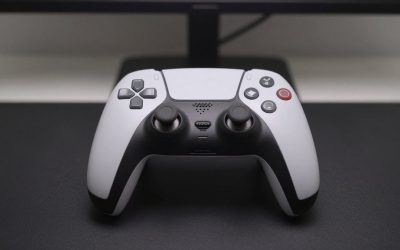
Standard controller sticks use potentiometers: two wipers physically slide across a resistive track as you move the stick. That contact wears down over time, and the worn spots are what produce stick drift — the controller registers movement when the stick is centered. It is the single most common controller failure, and it typically shows up after several hundred hours of play.
As an Amazon Associate we earn from qualifying purchases at no extra cost to you.


Hall effect sticks replace that physical contact with magnetic sensing. A magnet on the stick shaft moves past a sensor that reads the magnetic field, so nothing rubs against anything. No contact means no wear from movement, which is why these sticks resist drift so effectively. A newer variant, TMR (tunneling magnetoresistance), works on a similar magnetic principle but draws even less power and offers finer sensitivity adjustment on some models.
In practice, buying a kit like the SOSS Gaming Hall Effect Joystick Upgrade Kit for PS5 DualSense (about $18 for six sticks, soldering required) or the GuliKit TMR Magnetic Joystick replacement for PS5 DualSense and DualSense Edge (also around $18) gets you the stick modules plus the tools or instructions needed to swap them. The sticks themselves are physically similar to stock parts — roughly the same 12 to 13 mm cap diameter and travel range — so feel in-game stays familiar. The main difference you notice is that your stick centers perfectly every time and no longer drifts after a few months of heavy use.
One honest note: magnetic sticks do not automatically make you more accurate in competitive play. Some players report smoother micro-movements because the sensor resolution can be finer than a worn potentiometer, but the headline benefit is longevity, not aim assist.
Pros
- Drift resistance: No physical contact in the sensor path means the main cause of stick drift is engineered out rather than patched over.
- Low cost versus a new controller: At $15 to $35 per pair, a kit costs a fraction of a $75 replacement controller — and far less than a $200 pro controller.
- Longevity: Potentiometer sticks are typically rated for a few million cycles before noticeable wear; hall effect and TMR sticks have no wear mechanism in the sensing path, so lifespan is dramatically longer.
- Consistent centering: Ideal for racing games, flight sims, and precision shooters where drift of even 2 to 3 percent ruins the experience.
- TMR options add efficiency: TMR modules draw measurably less power than potentiometers, which can slightly extend battery life between charges.
- Bulk value: Multi-pack kits (like six-stick sets around $18) let you repair several controllers for the price of one new one.
Cons
- Installation is the real cost: DualSense repairs require soldering. A soldering iron, flux, and patience are not optional — beginners should budget an evening for a first attempt or $30 to $60 for professional installation.
- No aim improvement guarantee: If your current sticks work fine, you may notice no difference in gameplay at all.
- Potential calibration quirks: Some kits need a recalibration step after installation, and a small number of users report needing to adjust deadzone settings in-game.
- Warranty risk: Opening a controller voids the manufacturer warranty, so this is a poor move on a controller that is still under coverage.
- Spring and cap wear still exists: The magnetic sensor is contactless, but the return spring and the stick cap itself are still physical parts that can wear or loosen over years.
Who Should Buy It
Hall effect or TMR replacement sticks make sense if you play more than about five hours a week, your current controller has already drifted or is a few years old, and you are comfortable with basic electronics repair — or know a shop that will do it cheaply. They are especially compelling for DualSense Edge owners, since that controller supports tool-free stick module swaps, making the GuliKit TMR upgrade nearly effortless. DIY-minded gamers who own multiple controllers will get the most value from multi-pack kits: at roughly $18 for six sticks, that is around $3 per stick, cheaper than any alternative that actually fixes drift.
Who Should Skip It
Skip the upgrade if your controller is still under warranty (use the manufacturer instead), if you game only a few hours a month (stock sticks can last years at that pace), or if you would have to pay for installation on a controller that costs less than parts plus labor. Anyone unwilling to solder should also look at controllers that ship with hall effect sticks pre-installed — the price gap has narrowed considerably, and buying pre-installed avoids the repair entirely.
Cheaper Alternatives
| Option | Cost | Trade-off |
|---|---|---|
| Stick drift fix via contact cleaner spray | $8–$12 | Temporary — cleaning worn potentiometers buys weeks or months, not years; no disassembly skills needed beyond removing the shell. |
| Replacement potentiometer sticks (stock style) | $8–$15 per pair | Restores function but the same wear problem returns; same soldering requirement on PS5 controllers. |
| Third-party controller with hall effect sticks pre-installed | $40–$70 | No repair skills needed, but you lose your original controller’s feel, features (haptics, adaptive triggers), and possibly platform compatibility. |
| Manufacturer warranty or repair service | $0–$60 | Free if under warranty; otherwise slow turnaround and often costs as much as the upgrade plus installation. |
FAQ
Do hall effect sticks feel different from regular sticks?
Only slightly. Dimensions and travel closely match stock parts, so muscle memory carries over. The most noticeable difference is rock-solid centering — no drift, no deadzone fiddling. Some TMR modules also let you adjust sensor sensitivity, which competitive players may appreciate, but casual players likely will not feel a dramatic change.
How long do hall effect controller sticks last?
Manufacturers do not publish a firm cycle rating comparable to potentiometer specs, so no honest number exists. What can be said is that the sensing mechanism has no contacting parts to wear, which is precisely why drift is far less likely. Springs and stick caps remain mechanical and can still wear over years of heavy use.
Can I install hall effect sticks without soldering?
It depends on your controller. DualSense Edge stick modules swap out tool-free, making upgrades like the GuliKit TMR kit a five-minute job. Standard DualSense, DualShock 4, and most Xbox controllers require soldering for stick replacement. Some third-party controllers use swappable modules too — check before buying.
Are hall effect sticks worth it in 2026 compared to just buying a new controller?
If your controller is otherwise healthy, yes — a $15 to $35 kit plus an hour of work beats $75 for a new controller with the same drift-prone sticks. If your controller is old, worn elsewhere (triggers, battery, shell), or you would pay for installation, a new or refurbished controller with hall effect sticks pre-installed often ends up the better value.
Related guides
- Best Free MMOs on Steam: Subscription Limits, Pay-to-Win and Time Cost (2026)
- Best Free Horror Games on Steam: How to Pick One That Fits Your PC and Your Nerves (2026)
- Black Frame Insertion vs VRR: Which Smoothness Feature Should You Use?
- Best Webcams for Streaming: 11 Listings Compared by Resolution, Focus and Light (2026)