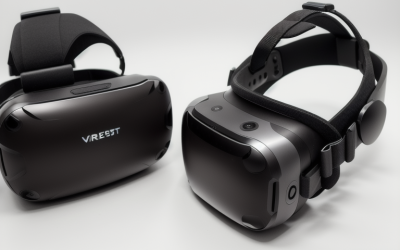
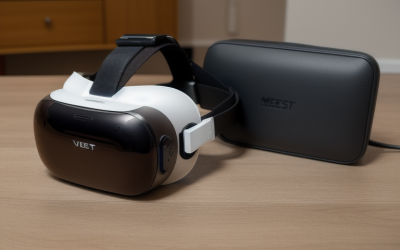
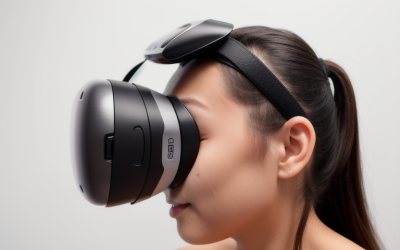
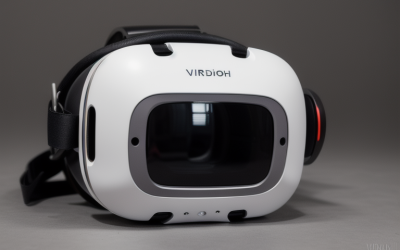
Integrating virtual reality into your living space is no longer just about buying a gadget; it is about choosing home entertainment hardware that fits your daily routine, interior aesthetic, and physical comfort. When setting up a dedicated VR lounge or a multipurpose media room, the single biggest technical factor dictating the shape, weight, and visual clarity of a headset is its optical assembly. The ongoing design shift boils down to one fundamental debate: fresnel lenses vs pancake lenses for vr headsets.
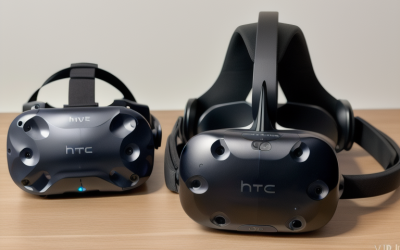
Fresnel lenses rely on a series of concentric ridges to bend light into your eyes, keeping the lens relatively thin while maintaining a wide field of view. However, they require a substantial physical distance between the display panel and the lens—often creating a bulky, front-heavy box on your face. Pancake optics, by contrast, use folded light paths through polarized layers to shorten that optical gap dramatically. The result is a sleek, low-profile headset that looks far less intrusive on a living room charging dock. Choosing between them impacts not only visual immersion, but also how comfortably you can wear the device during long evenings, how easily you can store it in a small apartment, and how much you will spend on repairs and power consumption over time.
As an Amazon Associate we earn from qualifying purchases at no extra cost to you.


Our Top Picks


Top 3 picks at a glance
Quick Verdict
If your priority is high aesthetic integration, superior edge-to-edge optical clarity, and a balanced weight distribution that allows for extended viewing without facial fatigue, pancake lenses for vr headsets are the clear winner. They shrink headset depth by 30% to 40%, making the hardware feel like a natural extension of your home decor rather than an awkward plastic box.
However, if you are shopping on a strict budget, want maximum display brightness with lower battery draw, or need a durable setup for energetic household play, fresnel lenses remain a practical, cost-effective choice. Fresnel systems deliver bright, punchy visuals at a significantly lower upfront price point, with inexpensive replacement parts available if a surface gets scratched.
Side by Side
| Feature | Fresnel Lenses | Pancake Lenses |
|---|---|---|
| Comfort & Ergonomics | Front-heavy; requires tighter head straps (350g–600g overall weight pushed forward) | Balanced center of gravity; minimal cheekbone pressure |
| Optical Module Depth | Deep physical stack (approx. 65mm–80mm display-to-eye distance) | Ultra-compact optical stack (approx. 35mm–45mm depth) |
| Visual Clarity | Sharp center, but noticeable blur towards edges; concentric ridge glare (“god rays”) | Uniform edge-to-edge clarity; minimal glare or haloing |
| Light Transmission Efficiency | High (85%–90% light reaches the eye) | Low (10%–25% light reaches the eye; requires ultra-bright backlights) |
| Typical Headset Price Range | $200 – $400 | $500 – $1,500 |
| Maintenance & Repairs | Inexpensive, simple single-element replacements | Sealed, multi-layer optical blocks; higher replacement costs |
| Storage Footprint | Requires larger storage cases or deep media console drawers | Fits easily in shallow drawer units or minimalist tabletop docks |
| Visual Aesthetic | Bulky, visor-style profile | Slim, visor-goggle design with modern appeal |
| Resale Value Stability | Gradually declining as industry shifts toward slim optics | High demand on secondary home tech markets through 2026 |
| Best For | Budget conscious buyers, energetic family rooms, high-brightness gaming | Design-minded homes, long media sessions, productivity, compact living |
Where Fresnel Lenses Wins
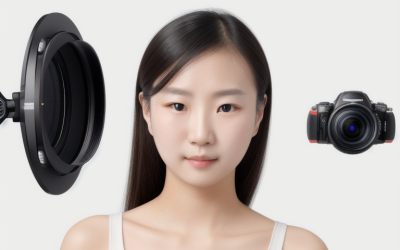
Fresnel optical design has been a cornerstone of light manipulation for over two centuries. Outside of virtual reality, you see the exact same optical principles applied in lightweight magnifiers and heating sheets—ranging from a massive sheet like the Six Seasons Large Fresnel Lens 300 x 300mm, PMMA Lens 600mm Focal Length Magnifying Sheet for Solar Oven, Solar Heating & Physics Experiment priced around $29 to a ultra-portable wallet card like the Best Glide ASE Credit Card Size Fresnel Lens Fire Starter and Magnifier Lenses (3 Pack – Green) at just around $5. By stamping stepped concentric rings into a thin PMMA plastic surface, fresnel optics bend light sharply without requiring thick, heavy glass.
In VR headsets, this simplicity offers a major physical advantage: light efficiency. Because light passes straight through a single molded lens layer without reflecting off internal polarizing filters, fresnel systems pass roughly 85% to 90% of the display backlight’s photons directly to your pupil. This high light transmission means the internal display panels can run at lower brightness levels—typically pulling just 2W to 3.5W of power—which keeps heat generation down and extends battery runtime during extended cordless use around the house.
Fresnel lenses are also significantly cheaper to manufacture and repair. If a guest or child accidentally scratches a lens while wearing eyeglasses, sourcing budget-friendly replacement optics is straightforward. Dedicated replacement components, such as a Lens VR Headset Virtual Reality Optic Replacement Part for Quest2 for Quest 2 priced around $13, allow homeowners to fix minor damage at a fraction of the cost of replacing a whole headset.
Where Pancake Lenses for Vr Headsets Wins
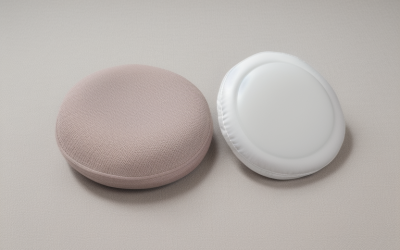
While fresnel lenses paved the way for modern VR, pancake optics represent a massive architectural leap forward for residential integration and user comfort. Instead of relying on physical depth to focus light, pancake systems use multiple folded lens elements with specialized polarizing coatings. Light bounces back and forth within the optical module before reaching your eye, effectively “folding” a long focal length into a casing only 35mm to 45mm thick.
This dramatic reduction in depth completely alters the ergonomics of wearing a headset in your living room. By bringing the display panels roughly 30mm closer to your face, pancake optics move the center of gravity back toward your head’s natural balance point. The heavy, lever-like torque on your nose and cheekbones vanishes, allowing you to watch movies or work in virtual desktop environments for hours without physical strain.
From an optical quality standpoint, pancake lenses eliminate the distracting “god rays”—streaks of light that flare across dark scenes when bright objects appear on fresnel ridges. They offer a vastly enlarged “sweet spot,” meaning the image remains crisp whether you look directly forward or shift your gaze to the peripheral edges. Sleek, high-performance consumer headsets like the Meta Quest 3 512GB | Virtual Reality — VR Headset — Gorilla Tag Bundle (available around $599) utilize pancake architecture to deliver incredible edge-to-edge clarity while maintaining a trim form factor that stores neatly on a small coffee table or bookshelf.
Cost Over 5 Years
Evaluating the true cost of a VR headset for your home involves more than comparing sticker prices. You must factor in initial hardware expense, power consumption, accessory requirements, and potential component replacements over a typical 5-year ownership window.
- Initial Hardware: A entry-level fresnel-based headset typically costs between $200 and $350. A pancake-equipped headset ranges from $500 to $1,000+.
- Display & Power Costs: Because pancake lenses absorb up to 80% or more of the light passing through their internal polarizing layers, the underlying display panels must run 3x to 5x brighter to deliver a normal image. This forces display panels to draw 5W to 8W of continuous power. Over 5 years of daily 2-hour household use (approx. 3,650 hours), the extra electricity cost is minimal (under $15), but battery wear is noticeably accelerated.
- Accessories & Comfort Upgrades: A front-heavy fresnel headset often requires an aftermarket top strap, counterweight, or halo mount ($30–$70) to make it comfortable for extended wear. Pancake headsets are balanced out of the box, though you may buy a sleek charging dock ($50–$100).
- Maintenance: Replacing a scratched fresnel lens component costs around $14 to $30 for parts. Damaging a sealed pancake optical engine often requires complete module replacement, costing upwards of $120 to $200 through official service channels.
Total estimated 5-year ownership cost: $280 – $480 for a fresnel setup versus $580 – $1,150 for a pancake setup.
Which One for Your Home
Small Apartment
In a compact studio or urban apartment where storage space is at a premium, pancake optics are superior. A headset built with pancake lenses takes up nearly 40% less volumetric space on a shelf or inside a tv console drawer. Its slim profile blends naturally into minimalist floating shelves alongside books or decorative objects without looking like oversized gaming gear cluttering your room.
Family with Kids and Pets
In a busy family room where headsets are constantly shared, dropped onto rugs, or handled by younger children, fresnel optics offer greater peace of mind. The lower upfront cost reduces the anxiety of damage during active play, and the availability of simple optical replacement parts makes DIY fixes realistic. Furthermore, fresnel displays deliver excellent brightness even in sunlit living rooms without pushing display hardware to thermal limits.
Rental Home
If you live in a rental home where you cannot install heavy wall mounts or customized storage hooks, a pancake headset is the easier device to manage. It rests comfortably on standard tabletop charging pads, charges via minimal cable setups, and fits easily into compact travel cases when moving between residences.
Long-Term Home
For homeowners establishing a permanent home theater or dedicated media office, pancake lenses are the definitive investment. They deliver the premium visual clarity required for reading virtual monitors, browsing text, and enjoying multi-hour cinematic experiences, ensuring your home entertainment setup stays modern, comfortable, and aesthetically pleasing for years to come.
FAQ
How do pancake lenses impact headset battery life in daily home use?
Pancake optics lose a significant percentage of light through their folded, polarized elements. To compensate, the headset’s display panels must run at much higher luminance levels, drawing more wattage from the battery. This typically results in slightly shorter battery runtime (around 1.5 to 2 hours per charge) compared to fresnel headsets with equivalent battery capacities, unless an external power strap is used.
Are fresnel lenses easier to clean and replace if scratched?
Yes. Fresnel lenses are usually molded from single-layer optical polymers (like PMMA). They can be wiped gently with microfiber cloths and cleaned easily. If deeply scratched by eyeglasses, the physical lens inserts are widely available as affordable standalone parts that can be swapped out without replacing internal display electronics.
Do pancake optics really reduce VR motion sickness during long home sessions?
Yes, indirectly. Motion sickness is often triggered by visual distortions, geometric warping, or blur near the edges of your vision. Because pancake lenses offer smooth edge-to-edge clarity and a vastly larger optical “sweet spot,” your eyes do not struggle with edge blur, leading to lower eye strain and reduced nausea during long immersive sessions.
Will fresnel headsets remain relevant as home VR standards evolve through 2026?
Fresnel headsets will continue to hold a vital market position through 2026 as the go-to standard for budget-conscious buyers, educational tools, and high-impact active gaming. While premium entertainment hardware has shifted almost entirely to pancake optics, fresnel optics remain the undisputed champion for low-cost, durable manufacturing.