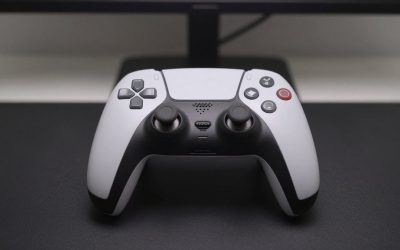
When curating a modern media console or designated home gaming nook, most homeowners focus on screen size, ambient lighting, and wire management. However, few things disrupt a relaxing evening in the living room faster than hardware failure. If you have ever sat on your sofa only to watch your in-game camera drift continuously toward the ceiling, you have experienced stick drift—the fatal flaw of traditional analog joysticks. When evaluating hall effect vs potentiometer controller sticks, the choice ultimately comes down to whether you prefer lower initial costs or long-term, maintenance-free reliability in your living space.
Traditional controllers rely on potentiometers—wiper mechanisms that physically slide across resistive tracks to register movement. Over time, friction generates micro-debris, wearing down the tracks and causing phantom inputs. Hall Effect technology replaces physical contact with magnetic sensors and permanent magnets. As you move the stick, the sensor measures changes in the magnetic field without any mechanical friction. Choosing between these two internal components affects not just your gameplay performance, but also your home budget, repair clutter on the dining table, and how often you need to replace dead equipment.
As an Amazon Associate we earn from qualifying purchases at no extra cost to you.



Our Top Picks


Top 3 picks at a glance
Quick Verdict
For most modern homes, Hall Effect controller sticks are the clear winner. By eliminating mechanical contact, magnetic sticks banish drift entirely, providing peace of mind and reducing e-waste around the house. Potentiometer sticks remain viable only if you are working with an ultra-strict upfront budget or already own dedicated soldering equipment to execute quick, low-cost repairs yourself.
Side by Side
| Feature | Hall Effect Controller Sticks | Potentiometer Controller Sticks |
|---|---|---|
| Comfort & Tension | Smooth, consistent resistance over millions of cycles | Smooth initially; degrades as physical tracks wear |
| Durability & Lifespan | 5 to 10+ million cycles (virtually permanent) | 1 to 2 million cycles (susceptible to premature drift) |
| Price Range | around $12 – around $15 for drop-in modules; $60–$150+ for full controllers | around $7 – around $9 for repair packs; standard OEM baseline pricing |
| Maintenance Needed | Zero mechanical maintenance required | Frequent cleaning or component replacement needed after wear |
| Space Needed for Storage/Tools | None (set it and forget it) | Requires storing soldering tools, desoldering pumps, and extra parts |
| Living Room Aesthetic | Sleek, pristine; eliminates back-up controller clutter | Higher risk of half-broken pads sitting on coffee tables |
| Resale & Long-Term Value | High retention value due to drift-proof hardware | Rapidly loses value once analog response becomes inconsistent |
| Best For | Long-term homeowners, families, busy professionals | Tinkerers, DIY enthusiasts, strict budget shoppers |
Where Hall Effect Wins
The primary advantage of Hall Effect technology in a home environment is maintenance elimination. Traditional potentiometers wear down physically every time you press forward, execute a turn, or click the stick. Hall Effect sensors use contactless magnetic position tracking. Because the moving magnet never physically rubs against the sensor chip, wear and tear are virtually non-existent. This means your high-end living room controller feels identical on day 1,000 as it did on day one.
From an interior design and clutter perspective, Hall Effect controllers prevent the accumulation of “drawer junk”—those half-broken secondary controllers saved for guests despite having severe drift. Furthermore, magnetic sensor technology has trickled into broader desktop peripherals. Accessories like the compact AULA WIN68 HE Mechanical Gaming Keyboard (around $39) demonstrate how magnetic switch designs reduce physical wear while delivering hyper-responsive performance in small home office footprints.
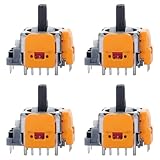
For homeowners who like to upgrade existing equipment, modular replacement packs like the Ikpek 4pcs Hall-Effect Joysticks (around $12) allow you to convert standard controllers into permanently drift-free devices. Once installed, you never have to open the controller shell again, keeping your coffee table free from teardown projects and tiny loose screws.
Where Potentiometer Controller Sticks Wins
Potentiometer controller sticks maintain a hold on the market primarily due to manufacturing economy and lower entry costs. Because potentiometer components have been mass-produced for decades, they remain the default standard inside standard console gamepads. If you only play games occasionally—perhaps two or three hours a month during ambient home leisure time—a standard potentiometer pad can easily last two to three years before mechanical friction causes noticeable drift.
For DIY-minded homeowners who enjoy light electronics repair on the workbench, potentiometer replacement kits offer extreme value. Solutions like the 12Pcs Trimmer Potentiometer Sensor Replacement (around $8) or the comprehensive lyfLux 10 Pack 2.3K Ohm Potentiometer Repair Kit (around $7) allow you to fix multiple worn gamepads for under ten dollars, provided you are comfortable operating a soldering iron on your craft desk.
Potentiometers also draw slightly less quiescent power from the controller’s internal rechargeable battery because they operate as simple passive resistive dividers rather than active magnetic sensors, though the practical battery life difference in daily living room use is negligible (around 1% to 2% overall capacity).
Cost Over 5 Years
Evaluating hall effect vs potentiometer controller sticks requires looking beyond the immediate price tag on the shelf. The true cost becomes apparent over a five-year ownership cycle in a typical home.
Standard Potentiometer Path:
- Initial purchase of standard gamepad: around $70
- Replacement Controller #2 (Year 2 due to stick drift): around $70
- Replacement Controller #3 (Year 4 due to stick drift): around $70
- Optional DIY repair parts (lyfLux 10 Pack at around $7 or 12Pcs Trimmer Pack at around $8) plus soldering gear (around $25)
- Total 5-Year Spend: around $210 – around $240 (plus 2–3 hours of repair downtime).
Hall Effect Path:
- Initial purchase of native Hall Effect controller: around $90 – around $110
- OR upgrading an existing pad with Ikpek 4pcs Hall-Effect Joysticks (around $12)
- Maintenance/Replacements required over 5 years: around $0
- Total 5-Year Spend: around $82 – around $110
By investing slightly more upfront—or retrofitting your current hardware with Hall Effect components—you save over $100 across five years and avoid sending depleted controllers to landfill waste facilities.
Which One for Your Home
Small Apartment
In a compact studio or one-bedroom apartment, functional storage is premium real estate. You do not want extra toolboxes, soldering mats, flux canisters, or spare broken controllers taking up space in your credenza. A native Hall Effect controller or a magnetic compact desktop setup is ideal. It delivers maximum longevity with zero supplementary maintenance tools required in your living space.
Family with Kids/Pets
Children and active pets put severe strain on living room accessories. Controller sticks suffer aggressive movement cycles, drop impacts onto hard flooring, and exposure to airborne pet dander or snack crumbs. Potentiometers fail rapidly under heavy physical use because micro-debris accelerates track wear. Hall Effect sticks withstand heavy abuse because the internal magnetic sensors are sealed and untouched by physical wipers, ensuring the media center remains operational through years of family entertainment.
Rental
Renters often balance casual leisure with the need for light, highly portable gear that can be packed away quickly without leaving behind messy repair workbenches. Choosing Hall Effect gamepads guarantees that your entertainment setup works reliably without needing temporary work areas or risk of burning countertops with hot solder tools inside a leased apartment.
Long-Term Home
If you own a single-family home with a dedicated theater room, basement gaming sanctuary, or custom media cabinet, low-maintenance hardware is essential for an uninterrupted smart home aesthetic. Looking ahead through 2026 and beyond, magnetic sensors are rapidly becoming the gold standard for living room entertainment setups. Installing Hall Effect hardware ensures your living space remains tidy, ultra-reliable, and free from modern hardware headaches for years to come.
FAQ
What is the main technical difference between Hall Effect and potentiometer sticks?
Potentiometer sticks rely on physical wipers rubbing against electrical resistance tracks to calculate thumbstick position. Hall Effect sticks use a non-contact system featuring small permanent magnets and digital sensors that measure changes in magnetic field strength, eliminating mechanical friction entirely.
Can I upgrade my current console controller to Hall Effect sticks myself?
Yes. DIY enthusiasts can purchase aftermarket sensor modules like the Ikpek 4pcs Hall-Effect Joysticks (around $12) to replace stock internal mechanisms. Note that this process requires opening the controller housing and desoldering the old potentiometer modules from the main circuit board.
Do Hall Effect sticks alter the physical feel or grip of thumbsticks?
No. The top plastic caps, rubber grips, and outer tension springs remain identical in shape and ergonomic profile. The mechanical resistance felt by your thumbs comes from the internal centering spring, while the underlying magnetic sensor silently measures movement underneath.
Why haven’t all console manufacturers switched to Hall Effect sticks by default?
Potentiometer modules cost pennies per unit to manufacture, making them extraordinarily economical for mass assembly lines shipping tens of millions of baseline consoles. However, as consumer demand for drift-free equipment grows, third-party manufacturers and high-end peripheral makers are rapidly shifting toward magnetic sensor technology.
Related guides
- Best Free MMOs on Steam: Subscription Limits, Pay-to-Win and Time Cost (2026)
- Best Free Horror Games on Steam: How to Pick One That Fits Your PC and Your Nerves (2026)
- Black Frame Insertion vs VRR: Which Smoothness Feature Should You Use?
- Best Webcams for Streaming: 11 Listings Compared by Resolution, Focus and Light (2026)