If you’re setting up a PlayStation 5 in a media console, on a desk, or tucked beside a TV stand, you’ve probably run into the same fork in the road: stand the console upright or lay it flat? Sony designed the PS5 to work in either orientation, so this isn’t a question of damaging your hardware — it’s a question of airflow efficiency, footprint, and how the setup fits the rest of your home. The real decision a buyer faces isn’t just “vertical or horizontal?” It’s whether you prioritize a slim profile that disappears next to a TV, or a low-slung layout that slides into a shallow shelf and keeps the console out of reach of small hands and curious pets.
This guide breaks down both orientations across airflow, space, cost, maintenance, and everyday practicality, so you can pick the right stand setup for your room instead of guessing.
As an Amazon Associate we earn from qualifying purchases at no extra cost to you.



Our Top Picks
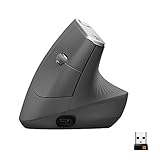
 Logitech MX Vertical Wireless Mouse Ergonomic Design1 Pack4.7 x 3.11 x 3.09 inches0.5 poundsCheck on Amazon
 Vertical Protein Clear Protein Water Drink187.2 Fl Oz (Pack of 1)9.5 x 7.3 x 8 inchesCheck on Amazon


Top 3 picks at a glance
Quick Verdict
Go horizontal if your space is tight in height. A horizontal stand drops the console to roughly 4 inches tall, which lets it slide under a TV, into a media shelf, or onto a bookcase ledge. Dedicated horizontal stands with built-in fans — like the OIVO horizontal stand or the fan-and-charger combo model — typically run $18–$40 and add active cooling plus controller charging in one footprint.
Go vertical if your space is tight in depth or you want the smallest floor area. Standing the PS5 on its base takes up about 9 by 10 inches of surface but only around 16 inches of height clearance in open air — ideal next to a TV on an open stand or on a desk. Vertical orientation also exposes more of the console’s side vents, which many owners find helps passive airflow in open shelving.
Both orientations are safe for the hardware. Choose based on your furniture, not on fear.
Side by Side
| Factor | Vertical Stand | Horizontal Stand |
|---|---|---|
| Airflow | Side vents fully exposed; good passive convection in open air | Add-on fans actively pull heat out; passive airflow fine in ventilated shelves |
| Comfort of access | Disc slot and ports at standing height; easy reach from a couch-side table | Disc slot faces sideways; slightly awkward if placed low or behind a TV |
| Durability of setup | Taller center of gravity; can tip if bumped on a narrow ledge | Low center of gravity; very stable once seated on a base |
| Price range | $10–$30 for basic stands (often included with the console) | $18–$40 for dedicated stands; $30–$40 for models with fans and charging |
| Maintenance | Dust settles on the top face; wipe monthly | Fan models need occasional vent dusting; foam pads may need reseating |
| Space needed | Approx. 9″ x 10″ footprint; needs ~17″ of vertical clearance | Approx. 16″ x 10″ footprint; needs only ~4–5″ of shelf height |
| Look | Sculptural, tower-like; a deliberate design statement | Low-profile; blends into media furniture and disappears under a TV |
| Resale | No impact; orientation doesn’t affect condition | No impact; keep the original stand to include with resale |
| Power draw | Passive; no extra wattage | Fan-equipped stands add roughly 2–5 watts when running |
| Best for | Open consoles, desks, narrow side tables | Shallow shelves, under-TV setups, homes with kids or pets |
Where Vertical Wins
Minimal surface footprint. The PS5 measures roughly 15.4 inches tall (about 13.4 for the Slim) and 8.5–10 inches deep depending on the model. Stood upright, it occupies less horizontal real estate than almost any other item in a media setup, which matters on a narrow console table or a shared desk where every inch counts.
Open-air passive cooling. In a well-ventilated spot, a vertical PS5 has its large side intake vents unobstructed, and warm air rises naturally along the console’s height. Owners who keep their PS5 in open shelving or on top of furniture generally don’t need a powered fan at all in vertical orientation.
A cleaner visual line. Upright, the console reads as a deliberate design object rather than a black slab under a screen. If your gaming setup doubles as your living room aesthetic, vertical placement keeps things sculptural.
Easy cable and accessory routing. With the console standing, USB ports and the disc slot sit at a convenient mid-height, so plugging in a controller or swapping discs doesn’t mean crouching behind a TV.
Where Horizontal Ps5 Stand for Airflow and Space Wins
Shallow shelves and low-clearance furniture. Many TV stands and media consoles offer only 5–6 inches of clearance between shelves. A horizontal PS5 — roughly 4.1 inches tall for the original, slightly less for the Slim — fits where a vertical unit simply cannot. A dedicated base stand like the OIVO model adds upgraded support rods underneath, keeping the console level and lifting it slightly off the shelf surface so air can circulate beneath.
Active cooling in enclosed spaces. If your console lives in a cabinet or behind closed doors, a horizontal stand with a built-in cooling fan actively moves warm air out of the console’s exhaust. These setups draw only a few watts — a rounding error on your electric bill — but they help in tight, less-ventilated spots.
Stability around kids and pets. A low, wide base is far harder to knock over than a 15-inch tower. If your PS5 lives on a low table within reach of a toddler, a dog’s wagging tail, or a cat that treats furniture as a climbing wall, horizontal placement is the safer bet.
One-stop accessory value. Horizontal stands in the $30–$40 range often bundle a cooling fan, controller charging docks, and EVA foam padding into a single purchase. That’s cheaper than buying a vertical stand plus a separate charging station plus a cooling accessory separately.
Cost Over 5 Years
Neither orientation carries significant ongoing cost, but the totals differ:
Vertical setup: A basic vertical stand usually comes included with the PS5, or costs $10–$25 as an aftermarket replacement. Over five years, assume $0–$30 total, with no electricity cost and no consumables. Dusting is free.
Horizontal setup: A simple base stand runs $18–$25. A fan-and-charger model runs $30–$40. Adding a fan’s 2–5 watts of continuous draw works out to roughly $2–$6 per year depending on your local rates, so budget $25–$65 over five years including electricity. If the fan or charging contacts wear out in year three or four, a replacement stand is another $20–$40.
Realistic five-year spread: $0–$30 vertical, $25–$65 horizontal. Either way, this is one of the cheapest decisions in your entire gaming setup — don’t let it paralyze you.
Which One for Your Home
Small Apartment
If you’re working with a studio or a one-bedroom where the TV sits on a narrow console or the PS5 doubles as part of a desk setup, vertical is your friend. The upright footprint of roughly 9 by 10 inches leaves room for a soundbar, a router, or a plant on the same surface. If you’re short on depth rather than height — say, a shallow floating shelf — a horizontal stand with a low profile keeps things flush against the wall. Measure your clearance first: you need about 17 inches of height for vertical, or 4–5 inches of shelf gap for horizontal.
Family with Kids or Pets
Horizontal wins here, and it’s not close. A console standing 15 inches tall on a coffee table is one enthusiastic golden retriever away from disaster. Lay it flat on a stable base with support rods underneath, ideally on a surface above knee height but below eye level where it’s harder to bump. Fan-equipped horizontal stands also keep the console cool if it’s tucked into a family room cabinet where airflow is naturally restricted. Bonus: a flat console is harder for small fingers to tip or use as a climbing grip.
Rental or Temporary Space
Rentals often mean awkward furniture you didn’t choose — a shallow media cabinet, a bookshelf doing double duty, a TV mounted above a radiator. Horizontal stands are the flexible option because they adapt to whatever shelf height exists and don’t require drilling, mounting, or permanent rearrangement. A $18–$25 base stand is also easy to pack and move when the lease ends. If your rental has decent open-air placement near the TV, a vertical setup costs nothing extra since the original stand comes in the box.
Long-Term Home
If you own your space and are building a dedicated media wall or gaming room, think in terms of the whole system, not just the console. A purpose-built media console with a ventilated shelf sized for horizontal placement looks cleanest and hides cables. If you prefer a showpiece setup with the console visible, vertical placement next to the TV on an open stand keeps the design intentional. Either way, plan your ventilation now: leave at least 4 inches of clearance around any enclosed console cavity, whichever orientation you pick. Prices on accessories have been steady heading into 2026, so there’s no reason to wait out a sale — buy the stand that matches your furniture today.
FAQ
Does vertical orientation actually improve PS5 airflow?
Both orientations are officially supported and thermally safe. Vertical placement exposes the side intake vents fully and benefits from natural convection in open air, which some owners find helpful. Horizontal placement with an unobstructed top exhaust also works well. The bigger airflow factors are enclosure and dust, not orientation — a PS5 in a sealed cabinet will run warm either way.
Can I use my PS5 horizontally without a stand?
Yes, but it’s not recommended on soft or uneven surfaces. Laying the console directly on carpet or a fabric shelf can block vents. A basic horizontal base stand costs $18–$25, lifts the console for under-airflow, and protects the shell from scratches — cheap insurance.
How much space does a horizontal PS5 stand need?
Plan for roughly 16–17 inches of width and 10–11 inches of depth, with 4–5 inches of shelf height for the console plus the stand. Add an inch or two at the rear for cable bend radius on the HDMI and power connectors.
Do cooling-fan stands use a lot of electricity?
No. Most add-on fans draw between 2 and 5 watts. Run continuously, that’s a few dollars a year at typical U.S. rates. The practical trade-off isn’t power cost — it’s added fan noise and one more USB port occupied on the console.
Related guides
- Best Free MMOs on Steam: Subscription Limits, Pay-to-Win and Time Cost (2026)
- Best Free Horror Games on Steam: How to Pick One That Fits Your PC and Your Nerves (2026)
- Black Frame Insertion vs VRR: Which Smoothness Feature Should You Use?
- Best Webcams for Streaming: 11 Listings Compared by Resolution, Focus and Light (2026)