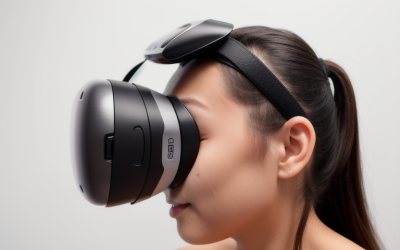
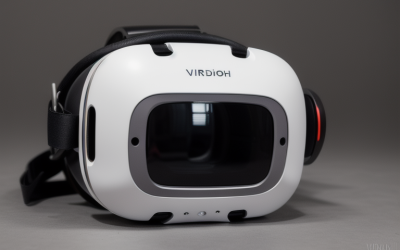
Choosing between silicone and leather VR face padding for sweat management is not really about which material is objectively better. It is about how you use your headset at home, how much you sweat, and how much cleaning you are willing to do after every session. Both options solve the same core problem — the stock foam that ships with most headsets soaks up sweat, breaks down quickly, and becomes uncomfortable and unhygienic — but they handle moisture very differently. One wipes clean in seconds and feels cool against the skin, while the other feels more like premium furniture and balances comfort with cleanability.
If you primarily play high-movement games like Beat Saber, Supernatural, or Les Mills Bodycombat for 30 minutes or more, sweat management becomes the single most important factor for comfort and hygiene. If you use VR for seated experiences, media viewing, or light gaming, breathability and long-session comfort may matter more than pure sweat-proofing. Understanding that trade-off is the key to picking the right pad for your home setup.
As an Amazon Associate we earn from qualifying purchases at no extra cost to you.


Our Top Picks
 GE Advanced Silicone Caulk for Kitchen & Bathroom2.8 fl oz (1 Pack)4.7 x 5.7 x 7.9 Inches0.2 poundsCheck on Amazon


Top 3 picks at a glance
Quick Verdict
For pure sweat management, silicone is the winner. It is 100% non-porous, completely waterproof, and can be wiped dry between users in under 15 seconds. It does not absorb any moisture, odor, or oils, which makes it ideal for intense workouts, hot rooms, and shared headsets.
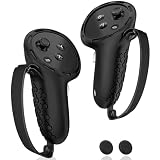
Leather — which in this category almost always means PU leather or vegan leather, such as the padding used on the VZNEK New Face Cover Pad for Oculus Quest 2 — is the better all-rounder for comfort. It repels sweat well, feels softer and warmer on the face than silicone, reduces light leak better thanks to its slight give, and looks more like a finished piece of home equipment. It requires a bit more care to prevent cracking over time.
Choose silicone if: you sweat heavily, share your headset with family or friends, or want the fastest, most hygienic cleanup.
Choose PU leather if: you prioritize comfort for 45+ minute sessions, want a more premium look and feel, and do not mind wiping and occasionally conditioning the pad.
Side by Side
| Feature | Silicone VR Face Padding | PU Leather VR Face Padding |
|---|---|---|
| Comfort | Smooth, cool to the touch. Slightly tacky feel when dry, can feel slick when sweaty. Less cushioning, typically 8-12mm thick. | Softer, more skin-like feel. Typically 12-18mm thick with memory foam core. Warmer initially but molds to face shape. |
| Sweat Management | Excellent. Non-porous and fully waterproof. Sweat beads on surface and wipes away completely. | Very good. Water-resistant surface repels sweat, but seams and foam core can trap moisture if not wiped quickly. |
| Durability | Highly durable. Resists cracking, UV, and temperature changes. Similar chemistry to products like GE All Purpose Silicone Caulk, Clear, 10 fl oz Cartridge which is engineered to remain flexible and not shrink or crack. | Good for 12-24 months of heavy use. PU coating can flake or peel with frequent alcohol cleaning or sun exposure. |
| Price Range | $12 – $22 for most Quest 2 / Quest 3S compatible silicone covers | $16 – $30 for most PU leather facial interfaces. For example, the Facial Interface Compatible Accessories with Meta Quest 3S cover sits around $19 |
| Maintenance | Wipe with damp cloth or alcohol wipe. No special care. Can be rinsed under water. | Wipe with mild soap and water. Avoid harsh alcohol or acetone. Air dry completely before storing. |
| Space Needed | Ultra-compact. Adds 30-50 grams to headset. Fits in standard headset case without adjustment. | Slightly bulkier due to thicker foam. Adds 45-75 grams. May require slightly larger case or removal for travel. |
| Look | Sporty and utilitarian. Available in black, clear, or gray. Matte or glossy finish. | Premium, furniture-like. Black or dark gray with stitched edges. Blends better with home decor. |
| Resale & Hygiene | Better for resale and sharing. No odor retention, easy to sanitize for next owner. | Good hygiene if cleaned regularly, but can retain odor over time if sweat is left to dry on pad. |
| Best For | Workout-focused users, hot environments, multi-user households | Comfort-focused users, longer play sessions, solo users who want a premium feel |
Where Silicone Wins
Silicone excels when moisture is constant. Because it is a solid, non-porous elastomer, sweat has nowhere to go. Instead of soaking in, it sits on the surface until you wipe it off. That makes post-workout cleanup as fast as wiping down gym equipment.
This is also why silicone is so easy to sanitize. You can use a 70% isopropyl wipe, a damp microfiber cloth, or even rinse the cover under lukewarm water, and it will be completely dry and ready for the next person in under a minute. For families where three or four people take turns on the same Meta Quest headset in one evening, that speed matters.
Durability is another clear advantage. True silicone does not peel, flake, or delaminate the way coated fabrics can. The same 100% silicone technology that allows a product like GE Advanced Silicone Caulk for Kitchen & Bathroom to stay 100% waterproof and remain flexible through humidity and temperature swings is what gives silicone face pads their longevity. They will not shrink, crack, or lose shape after repeated exposure to sweat and cleaning solutions. Most users get 2 to 3 years from a single silicone cover with daily use.
Finally, silicone is the most hypoallergenic option. It contains no fabric coatings, dyes that can leach with sweat, or foam that can harbor bacteria. If anyone in the home has sensitive skin or is prone to breakouts on the forehead and cheeks after VR use, silicone creates the cleanest barrier.
The trade-off is feel. Silicone does not breathe. During a long, sweaty session, it can feel a bit clammy or create a suction sensation on the skin. It also provides less pressure distribution than a thick PU leather pad, so the headset may feel slightly tighter on the cheekbones during sessions over an hour.
Where Leather Vr Face Padding for Sweat Management Wins
When most VR brands say leather, they mean PU leather — a polyurethane coating over a foam base. Do not confuse this with genuine animal leather. For VR use, PU leather is actually preferable because it is lighter, more consistent, and easier to clean than real leather, while still delivering that soft, furniture-grade feel.
The main advantage of PU leather is comfort over time. The foam core underneath, usually 15mm high-density memory foam, compresses to match your face shape. That distributes pressure more evenly across the forehead and cheeks, reduces the classic VR red marks, and blocks more peripheral light than a thin silicone cover. If you watch movies in VR, play seated games like puzzles or simulators, or spend more than 45 minutes in-headset, that extra cushioning is noticeable.
For sweat management, PU leather is highly water-resistant, not fully waterproof. Sweat will bead and wipe off the coated surface if you catch it quickly, which is exactly how a product like the VZNEK New Face Cover Pad for Oculus Quest 2 is designed to work. The surface is sweatproof for the duration of a typical workout, but the seams and the underside are still foam. If you leave sweat to sit for hours, it can eventually seep into the stitching and create odor. Prompt wiping is essential.
Aesthetically, PU leather looks more at home. A black PU leather interface looks intentional, like part of a media room setup, rather than a gym accessory. For adults who keep their headset on an open shelf or entertainment console, that visual difference matters.
Maintenance is the only real downside. PU leather should be wiped with a soft cloth dampened with water and a drop of mild soap, then air dried. Harsh cleaners and high-concentration alcohol can dry out the polyurethane coating and cause it to crack and peel within months. With gentle care, expect 12 to 18 months of heavy use, or up to 24 months with light, solo use, before the coating begins to show wear around the nose bridge.
Cost Over 5 Years
Both options are inexpensive compared to the headset itself, but the long-term math favors silicone slightly if you are a heavy, sweaty user.
A silicone cover typically costs $12 to $22 upfront and often lasts the full 5 years with only one replacement around year 3, for a total of $24 to $44. There are no additional care products needed — just cloths and wipes you already own.
A PU leather facial interface typically costs around $16 to around $29 upfront. With daily fitness use, most households will replace it every 14 to 18 months as the coating wears, meaning 3 to 4 units over 5 years. That puts the 5-year total at $51 to $90. With light use of 3 to 4 hours per week and careful cleaning, that extends to 2 units over 5 years, or about $34 to $60 total.
In early 2026, pricing for both materials has remained stable because the underlying materials are widely available and compatible across Quest 2, Quest 3S, and similar headsets. Neither option requires professional installation, tools, or added wattage — they simply press-fit onto the existing facial interface in under 30 seconds.
Which One for Your Home
The right choice depends less on the material spec sheet and more on your living situation and how the headset is actually used day to day.
Small Apartment
Go with silicone if space and ventilation are tight. In a studio or one-bedroom where you might be working out just a few feet from your bed or sofa, sweat and odor control are critical. Silicone will not retain any smell that can linger in a small, less-ventilated space, and its slim 30 to 50 gram profile means your headset still fits in a compact travel case that can slide into a closet. If your apartment is air-conditioned and you mostly do seated VR, PU leather is still comfortable, but you will need to be diligent about wiping it and letting it air out near an open window after each session.
Family with Kids/Pets
Choose silicone for shared, high-turnover use. Kids tend to sweat, touch their faces, and hand the headset off quickly without wiping. A silicone pad can be sanitized with a quick wipe between every user, does not absorb oils or makeup, and stands up to pet hair and dander without trapping it in fabric pores. It is also the fastest to rinse if someone with sunscreen or a sticky snack residue uses the headset. Keep a pack of unscented wipes next to your charging station and cleanup becomes automatic.
Rental
Pick PU leather if you want your tech to look tidy for showings or shared living rooms. Renters often store headsets in visible common areas, and a PU leather interface looks cleaner and more intentional on a shelf than a glossy silicone cover. It also leaves fewer temporary marks on the face if you need to jump on a video call shortly after a VR session. Just store the headset away from direct sunlight from a window, as UV exposure accelerates PU peeling — a lesson familiar to anyone who has seen how sun-proof materials like GE All Purpose Silicone Caulk are formulated to resist that exact damage, while PU leather is not.
Long-Term Home
If you own your home and plan to keep the same headset for 3+ years, consider owning both. Use silicone as your dedicated fitness cover — snap it on for workouts, wipe it, and remove it. Use PU leather as your comfort cover for movie nights, social VR, and long single-player sessions. Swapping takes seconds, both store flat in a drawer, and together they cost less than $40. This two-cover system gives you the best sweat management when you need it and the best comfort when you do not, while doubling the lifespan of each pad.
FAQ
Is silicone or PU leather better if I sweat a lot during VR workouts?
Silicone is better for heavy sweating. It is fully waterproof and non-porous, so sweat pools on the surface and can be wiped completely clean. PU leather repels sweat for the length of a workout but can absorb moisture through seams if not wiped promptly, which can lead to odor over time.
Will either material irritate sensitive skin?
Both are generally skin-safe, but silicone tends to cause fewer reactions. It is hypoallergenic, contains no dyes that bleed with sweat, and does not harbor bacteria in pores. PU leather is also safe for most users, though some people are sensitive to the polyurethane coating, especially when combined with heat and sweat. If you get forehead breakouts after VR, switch to silicone and clean the pad before each use.
Can I wash these pads with water?
Silicone covers can be rinsed under lukewarm water and patted dry — they are designed to be 100% waterproof. PU leather interfaces should not be soaked or submerged. Instead, wipe the surface with a cloth dampened with water and mild soap, avoid saturating the seams, and let it air dry completely before putting it back on the headset or storing it.
Do I need a different pad for Quest 2 vs Quest 3S?
Yes, facial interfaces are model-specific. A Quest 2 pad will not fit a Quest 3S correctly and vice versa, which can affect light blocking and pressure distribution. Always check compatibility on the listing. For example, the Facial Interface Compatible Accessories with Meta Quest 3S cover is made only for the Quest 3S and is not compatible with Quest 3, while the VZNEK pad listed above is designed specifically for the Quest 2.