
Integrating personal gaming hardware into your home setup requires balancing visual aesthetic, room lighting, family usability, and overall value. When choosing a handheld console, the primary debate centers on display technology: evaluating an lcd vs oled switch screen to determine which fits your living space best. While both versions run the exact same game library and output identical 1080p video when connected to your living room television, the handheld experience differs dramatically depending on the display installed in the chassis.
For modern homes, display panels are everywhere—from a simple 4 Pack LCD Writing Tablet for Kids, 8.5 Inch Colorful Doodle Board Drawing Tablet priced around $9 for quick kitchen notes and play, to a dedicated home office setup with a Sceptre New 22-Inch Gaming Monitor, FHD 1080p, Up to 144Hz, HDMI, DisplayPort, Built-in Speakers, Machine Black (E225W-FW144 Series, 2026) (around $64). However, when it comes to the Nintendo Switch, screen choice dictates ambient glare performance, color vibrancy, battery consumption, and kickstand stability during casual tabletop sessions on your kitchen counter or patio table.
As an Amazon Associate we earn from qualifying purchases at no extra cost to you.


Our Top Picks


Top 3 picks at a glance
Quick Verdict
If you primarily game in handheld mode around the house, value high-contrast visuals, or regularly play in rooms with bright sunlight or soft ambient lighting, the OLED Switch screen is the clear winner. Its 7.0-inch organic glass panel, rich ink-like blacks, thin bezels, and wide adjustable kickstand transform the portable experience. Conversely, if your Switch stays docked to your living room TV 80% of the time, or if the device is intended for young children in high-impact environments, the standard 6.2-inch LCD Switch screen offers better overall economy and lower prospective repair costs.
Side by Side
| Feature / Aspect | LCD Switch Screen | OLED Switch Screen |
|---|---|---|
| Visual Comfort & Contrast | Standard IPS contrast (~1000:1), backlit blacks appear dark gray. | Infinite contrast (per-pixel lighting), true pitch blacks, ultra-vivid color space. |
| Durability & Safety | Plastic outer layer; shatterproof, resists drops, easily scratched. | Glass outer layer with protective anti-shatter film; highly scratch-resistant. |
| Console Price Range | around $300 (Standard Console) | around $350 (OLED Model) |
| Maintenance & Repairs | Inexpensive screen parts ($30–$50 digitizer replacements). | Higher component costs (around $110–around $110 for full panel assemblies). |
| Space Needed & Ergonomics | 6.2-inch panel; wider matte plastic bezels; narrow plastic pop-out kickstand. | 7.0-inch panel; narrow glass bezels; full-width adjustable metal kickstand. |
| Aesthetic & Build Look | Toy-like plastic surround; traditional gray or red/blue finish. | Premium tech aesthetic; sleek glass finish; clean white or dark trim options. |
| Resale & Longevity | Moderate resale value retention (~50-60% after 3 years). | High resale retention (~70-80%); preferred by secondary market buyers. |
| Power Efficiency | Constant backlight power draw (~6W–8W system total). | Variable power draw (~4W–7W); darker games consume noticeably less power. |
| Best For | Docked-first players, playrooms, budget-conscious buyers. | Handheld enthusiasts, sunlit living rooms, bedtime cozy gaming. |
Where Lcd Wins
The original LCD panel continues to hold a strategic place in many home entertainment setups, largely due to durability, economy, and practical utility. When weighing an lcd vs oled switch screen, the standard LCD model presents compelling advantages for high-traffic family homes:
- Budget Economy: Buying a standard LCD console saves $50 upfront on MSRP, which can be redirected toward extra controllers or physical software for family game nights.
- Drop Resistance for Young Children: The LCD screen features a plastic top lens rather than glass. While it scratches more easily, it will not shatter when dropped onto hardwood floors or tile kitchens, making it far safer around toddlers.
- Equal Docked Performance: When connected to your home’s primary 4K or 1080p television via the dock, both consoles deliver identical graphics, resolution, and frame rates. If you rarely detach the console from your media console, paying extra for an upgraded handheld screen provides zero extra performance.
- Affordable DIY Screen Maintenance: If an accident occurs, replacing a damaged LCD screen is straightforward and inexpensive. Replacement components for the standard LCD model cost less than half of specialized OLED digitizer assemblies.
- Zero Burn-In Risk: LCD technology relies on a continuous LED backlight passing through liquid crystals, making image retention or permanent pixel burn-in technically impossible, even if static menu screens are left running for hours.
Where Oled Switch Screen Wins
The OLED display upgrade changes how handheld gaming feels inside your living spaces. Because organic light-emitting diodes produce their own illumination pixel by pixel, the visual difference in an lcd vs oled switch screen comparison is immediate and striking:
- Larger Screen in the Same Footprint: Nintendo trimmed the wide plastic bezels down significantly, squeezing a 7.0-inch display into a body virtually identical in physical size to the 6.2-inch LCD model (0.93 lbs vs 0.88 lbs). That extra 0.8 inches of diagonal display space makes reading in-game text far easier from a comfortable couch position.
- Incredible Color Depth and Contrast: Black levels are absolute zero light emission. Dark dungeon corridors, space vistas, and shadow-filled room environments pop with three-dimensional depth that an edge-lit LCD screen cannot match.
- Superior Living Room Ergonomics: The OLED console completely replaces the flimsy, off-center plastic leg of the original model with a sturdy, full-width metal kickstand. It adjusts smoothly to multiple angles, turning coffee tables, kitchen islands, or tray tables into stable multiplayer stations.
- Better Outdoor and Sunlit Viewing: The OLED glass panel reaches higher peak luminance and delivers vastly wider viewing angles, allowing family members sitting next to you on a couch under bright recessed lighting to see the screen clearly without color shifting.
- Sleeker Living Room Aesthetics: The dark glass edge-to-edge finish gives the device the modern look of a premium tablet, blending seamlessly into contemporary decor alongside soundbars and minimalist streaming devices.
Cost Over 5 Years
Evaluating long-term ownership involves looking past the initial shelf price. When assessing total cost over a five-year lifespan, consider hardware depreciation, power usage, and potential repair expenses.
From an energy standpoint, both models draw modest power compared to home theater consoles. The LCD unit draws roughly 6 to 8 watts in handheld play, while the OLED unit operates between 4 and 7 watts depending on screen brightness and game color palettes (darker screens consume less power). Over 5 years of daily two-hour play, electricity costs differ by less than around $3 total.
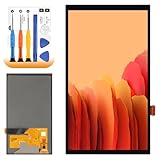
However, repair and maintenance costs tell a different story. If an out-of-warranty screen fractures, source parts vary widely in price. Standard LCD replacement kits generally run $30 to $45. In contrast, premium replacement screens—such as a specialized 7.0″ For Nintendo Switch OLED Screen Replacement Switch OLED HEG-001 2021 LCD Touch Display Screen Digitizer Assembly with Repair Tools (around $110) or a full for Nintendo Switch OLED 2021 Screen Replacement for Switch OLED 2021 LCD Display Touch Digitizer Assembly Repair Parts (around $110)—cost significantly more due to integrated touch-digitizer glass bonding.
Balancing this repair cost factor is secondary market resale value. OLED models consistently retain roughly 15% to 25% more of their original retail price over time, largely offsetting the initial $50 purchase premium if you upgrade hardware later.
Which One for Your Home
Small Apartment or Cozy Nook
In compact living spaces where a primary TV might frequently be occupied by a partner or roommate, handheld play becomes your primary gateway to gaming. The OLED Switch screen shines here: its 7.0-inch display offers an immersive experience without requiring a larger furniture footprint, and its deep contrast keeps game worlds vibrant even when playing under cozy, warm accent lamps in a dark room corner.
Family Living Room with Kids or Pets
For high-activity living rooms with pets jumping on furniture and young children carrying devices around, the standard LCD Switch screen remains the practical recommendation. The shatterproof plastic display panel handles drops onto hardwood or stone coffee tables far better than glass. Additionally, if the system spends most of its life seated safely in its television dock during family play sessions, the standard LCD model delivers max value for minimum outlay.
Rental Property or Shared Space
If you live in a flexible rental space where furniture layouts change or lighting isn’t fully customizable, the versatility of the OLED model is invaluable. Its wide-angle glass panel eliminates washing out under bright overhead rentals fluorescent or track lights, while its full-width kickstand allows you to easily set up a tabletop session on dining tables, desks, or patio setups without needing additional accessory stands.
Long-Term Home Living Setup
For dedicated homeowners building out a polished home entertainment system, the OLED model aligns far better with modern interior design standards. Sitting in its glossy charging dock beside modern audio equipment, the thin-bezel OLED screen looks integrated, clean, and modern. Its higher resale value retention and enhanced build materials make it a superior long-term addition to a high-end living room setup.
FAQ
Can I upgrade my standard LCD Switch by installing an OLED screen?
No, you cannot directly retrofit an OLED display assembly into a standard LCD Switch console chassis. The interior mainboard connectors, power management chips, housing brackets, and physical ribbon cable layouts are fundamentally different between the two console revisions.
Is image burn-in a major threat on an OLED Switch screen?
In standard home environments, screen burn-in on the OLED Switch is extremely rare. Nintendo utilizes modern panel refresh algorithms and auto-brightness limiters. You would need to leave a static, high-brightness menu image on the display uninterrupted for thousands of hours to cause noticeable permanent image retention.
Does the OLED Switch screen improve graphics when playing on my home TV?
No, the choice between an lcd vs oled switch screen only impacts visuals in handheld or tabletop mode. Both consoles use the exact same Nvidia Tegra processor and output identical 1080p audio and video signals over HDMI to your home television.
Which screen handles glare better near large living room windows?
The OLED display performs noticeably better in direct ambient sunlight or bright room environments. While both displays feature glossy surface reflections, the higher peak brightness and superior color saturation of the OLED panel overcome background reflections much more effectively than the original LCD backlight.
Related guides
- Best Free MMOs on Steam: Subscription Limits, Pay-to-Win and Time Cost (2026)
- Best Free Horror Games on Steam: How to Pick One That Fits Your PC and Your Nerves (2026)
- Black Frame Insertion vs VRR: Which Smoothness Feature Should You Use?
- Best Webcams for Streaming: 11 Listings Compared by Resolution, Focus and Light (2026)








