As an Amazon Associate we earn from qualifying purchases at no extra cost to you.


Choosing between a hard case and a soft pouch is one of those purchases that seems trivial until something goes wrong. The real decision a buyer faces isn’t just “which looks better” — it’s about how you travel, where your Switch lives between trips, whether kids or pets share your space, and how much protection your console actually needs versus how much bulk you’re willing to carry. A crushed Joy-Con stick or a cracked screen from a bag drop can cost $80 to $150 in repairs, while the difference between a $20 soft pouch and a $30 hard case is often less than a single game.
The good news: both options work, and neither is objectively wrong. But they serve noticeably different buyers, and matching the case to your lifestyle is where the value is.
Our Top Picks
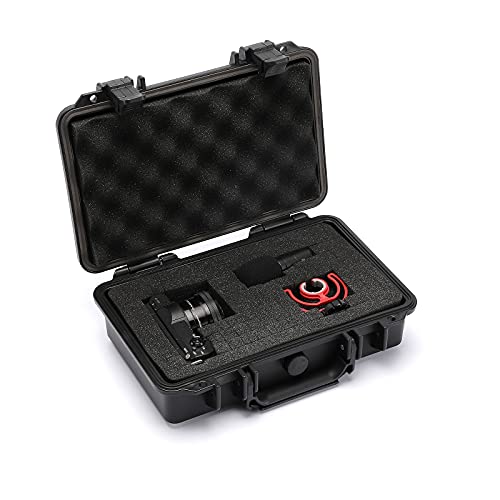
 ProCase Carrying Case for Nintendo Switch OLED/SwitchSwitch 2017 / Switch OLED9.5 x 5 x 0.7 Inches0.2 PoundsCheck on Amazon


Top 3 picks at a glance
Quick Verdict
If you toss your Switch into a backpack alongside books, chargers, and water bottles, a hard case is worth the extra few ounces and dollars. If you carry a dedicated bag, slip the console into a purse or jacket pocket, or mostly play at home and travel occasionally, a soft pouch delivers better comfort and a lower price. For most frequent travelers, the hard case wins. For most everyday carriers, the soft pouch wins.
Side by Side
| Factor | Hard Case | Soft Pouch |
|---|---|---|
| Protection level | High — rigid shell resists crushing and drops; foam interior isolates the console | Moderate — padded fabric absorbs minor bumps but not serious crushing |
| Comfort carrying | Bulkier; usually needs a handle or separate bag space | Light and slim; fits pockets, purses, and small backpacks |
| Water resistance | Often genuine — quality models reach IP67, surviving brief submersion | Minimal to none; fabric may bead light rain but won’t seal out water |
| Price range | $20–$60 depending on size and waterproof rating | $15–$35 for licensed and third-party options |
| Maintenance | Wipe clean with a damp cloth; foam insert may need occasional airing | Fabric attracts lint and stains; many can’t be machine washed |
| Space needed at home | bulkier; a 13.6 x 11.4 x 6 inch case needs a shelf or drawer | Slim profile; slides into a nightstand or media console |
| Aesthetic | Utility or gear-case look; black boxes that read as equipment | Sleeker, often brand-licensed designs that blend into home décor |
| Resale value | Holds resale decently; protective gear ages well | Lower resale; fabric wear shows quickly |
| Accessory storage | Customizable foam fits docks, chargers, extra controllers | Game card slots and a mesh pocket; limited larger accessories |
| Best for | Frequent flyers, checked bags, households with kids or pets | Commuters, casual travelers, minimalist carriers |
Where Hard Case Wins
Crush protection is the headline. A rigid shell with a customizable foam interior — like the Jack Boss hard case at 13.6 x 11.4 x 6 inches and around $37, or the CASOMAN 11.5-inch waterproof box at around $21 — lets you pluck foam to fit the console, dock, AC adapter, and spare controllers snugly. Slide that into a duffel under a pile of clothes and the Switch survives. A soft pouch in the same scenario usually doesn’t.
Waterproofing matters more than buyers expect. Cases rated IP67 can handle rain-soaked commutes, poolside splashes, or a spilled water bottle in a backpack. The CASOMAN box’s waterproof and “explosion-proof” designation refers to that sealed, impact-resistant construction — no soft pouch comes close.
Hard cases also win for families. A toddler stepping on a backpack or a dog using a bag as a chew target ends very differently depending on which case is inside. And if you ever check a bag on a flight, a hard case is close to mandatory; airport luggage handling is not gentle on electronics.
Finally, customizable foam is underrated for home storage. When the Switch isn’t traveling, a foam-lined case doubles as a tidy charging-and-staging station on a shelf, keeping everything in one predictable place.
Where Soft Pouch for Nintendo Switch Travel Wins
Everyday comfort is where the soft pouch shines. A pouch like the HORI Puff Pouch for Switch 2 (around $29, officially licensed by Nintendo) or the ProCase travel pouch in grey (around $17) weighs a few ounces and adds minimal bulk. You can slip one into a tote, messenger bag, or even a large jacket pocket without noticing it’s there. A hard case, by contrast, demands bag real estate.
Fit and finish tend to be more refined. Licensed pouches get Nintendo’s design input, so zippers, padding placement, and game card slots are tailored to the console rather than a generic foam rectangle. If your case spends time visible in a coffee shop or an office, a sleek grey or black pouch simply looks better than a gear box.
Price is a genuine advantage. Most quality soft pouches land between $15 and $30, and even premium licensed options rarely exceed $35. You also avoid the “so much case for so little console” feeling — a 6-inch-deep hard case is overkill for someone whose biggest travel risk is a crowded subway.
Maintenance is simpler in one respect: there’s no foam to keep clean and no latches to fail. Wipe the exterior, check the zipper, done.
Cost Over 5 Years
Hard case route: one $22–$38 case typically lasts the full five years. Rigid shells and foam don’t degrade with normal use. Total: roughly $22–$40, possibly plus $10 for replacement foam if you reconfigure it. Say $22–$50 over five years.
Soft pouch route: fabric wear is the limiting factor. Zippers fail, seams loosen, and padding compresses. Budget on replacing a $18–$30 pouch every 2 to 3 years, so two purchases over five years: roughly $35–$60 total.
The gap is smaller than most people assume — maybe $10–$20 over five years. That reframes the decision: you’re not really choosing based on cost, so choose based on protection and comfort. If a single avoided repair saves you $80–$150, the hard case’s premium pays for itself the first time it matters.
Which One for Your Home
Small Apartment
Space is the constraint. A slim soft pouch like the ProCase (around $17) stores flat in a media console drawer or hangs on a hook. If you want hard-case protection without dedicating a shelf, the compact 11.5-inch CASOMAN box is small enough to stack in a closet or under a bed while still giving you waterproof, foam-lined storage. Most small-space buyers should start with the pouch and only upgrade if their travel habits turn rugged.
Family with Kids or Pets
This is hard case territory, full stop. Toys get dropped on bags, juice cups leak, pets investigate anything that smells like their people. A sealed hard case — the CASOMAN’s IP67 rating or the larger Jack Boss box — keeps a $300-plus console safe from all of it. Store the case on a high shelf, and the foam interior makes it easy for kids to pack the Switch back correctly after use, which builds good habits.
Rental or Frequent Mover
Moving every year or two means your Switch lives in boxes between tenancies. A hard case protects the console through storage units, moving trucks, and friends’ couches. Choose the 13.6-inch Jack Boss if you also want to store the dock and charger with it — fewer loose parts to lose during a move. Keep a soft pouch as a lightweight day-to-day option so the hard case stays reserved for moves and big trips.
Long-Term Home
With a stable setup, the Switch mostly travels between your living room and the occasional vacation. A quality soft pouch covers 90 percent of that, and a licensed option like the HORI Puff Pouch pairs nicely with an otherwise tidy entertainment center. Add one hard case purely for flights and road trips — the five-year cost of owning both still lands under $70, which is reasonable insurance for hardware you plan to keep long-term.
FAQ
Can a soft pouch protect my Switch from a drop?
Partially. A padded pouch absorbs light drops of a couple of feet onto carpet or grass, but it offers no crush resistance and limited corner protection. On hard floors from waist height or higher, only a rigid, foam-lined case gives you real confidence.
Is a waterproof hard case necessary?
Not for everyone. If your travel is airports and cars, standard hard-shell protection is enough. IP67-rated cases earn their keep for boating, beach trips, rainy commutes, or any situation where water in your bag is a real possibility.
Will a hard case fit the dock and charger?
Only if it’s sized for them. The dock measures roughly 6.6 x 3.2 x 2.2 inches, so compact Switch-sized cases won’t fit it — you’ll need something in the 11 to 14 inch range with customizable foam, which is exactly what the CASOMAN and Jack Boss cases are designed for.
Do soft pouches scratch the screen?
Not if they’re lined properly. Quality pouches use soft microfiber or plush interiors specifically so the screen can face inward safely. Still, applying a tempered glass screen protector (about $8–$12) is cheap belt-and-suspenders insurance regardless of which case you choose.
Related guides
- Best Free MMOs on Steam: Subscription Limits, Pay-to-Win and Time Cost (2026)
- Best Free Horror Games on Steam: How to Pick One That Fits Your PC and Your Nerves (2026)
- Black Frame Insertion vs VRR: Which Smoothness Feature Should You Use?
- Best Webcams for Streaming: 11 Listings Compared by Resolution, Focus and Light (2026)