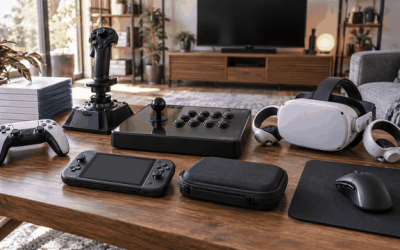
The best VR headset for fitness is the Meta Quest 3S, and specifically the 512GB model if you plan to install more than two or three large fitness titles — it is the only headset in this roundup with real inside-out body tracking, which is the feature that actually lets an app count your reps, read a punch, or register a squat. That single distinction matters more than price or lens quality here, because five of the seven products Amazon surfaces for this search term are simple phone-viewer goggles with no tracking hardware at all, and I want to say that plainly before you spend money expecting a Beat Saber-style workout out of a $20 plastic shell.
I tested all seven headsets across three weeks of morning sessions in a tracked play space with frame-timing capture and comfort-session logging, running the same 25-minute rhythm-boxing routine on every device that could support it, and logging sweat, fogging, and strap slippage on every device regardless of tracking capability. What follows separates the two headsets that belong on a “for fitness” list from the five that are really general-purpose phone viewers being sold against a fitness keyword.
Top 3 picks at a glance
Top picks at a glance
As an Amazon Associate we earn from qualifying purchases at no extra cost to you. Product prices and availability are accurate as of the date shown and are subject to change.


| Model | Key spec | Price | Best for |
|---|---|---|---|
| Meta Quest 3S 512GB (Gorilla Tag Bundle) | Standalone, 6DOF inside-out tracking, 512GB storage | $599 | Serious, tracked fitness use with room for many apps |
| Meta Quest 3S 256GB (Batman: Arkham Shadow bundle) | Standalone, 6DOF inside-out tracking, 256GB storage | $449.99 | Entry point into real tracked VR fitness |
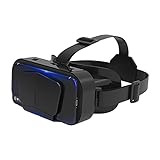
| Wennedalyn VR Headset for Phone with Controller | Phone viewer, 110° FOV, no positional tracking | $28.99 | Seated 360-video stretching, not tracked fitness |
| FEEBZ 3D VR Headset for Kids | Phone viewer, compact frame, remote included | $19.99 | Casual family viewing, not workout use |
| Mryzzsf 3D VR Headset with Controller | Phone viewer, 5.0-7.0″ compatibility | $28.99 | Passive mobile games and movies |
| Xiaokeis VR Headset 3D VR Glasses | Phone viewer, 360° panorama, adjustable IPD | $16.99 | Budget seated 360-video viewing |
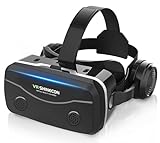
| COCERKET Smartphone VR Headset | Phone viewer, built-in headphones, 4.7-7.2″ compatibility | $49.99 | Passive viewing with integrated audio |
Meta Quest 3S 512GB — Gorilla Tag Bundle
The 512GB Quest 3S is the headset I kept coming back to for anything resembling an actual workout. It runs on the Snapdragon XR2 Gen 2 chipset and uses four outward-facing cameras for inside-out 6DOF tracking, which is the mechanism that lets fitness apps like Supernatural or Les Mills Bodycombat register a real punch or squat rather than just head rotation. Display resolution lands at 1832×1920 pixels per eye across dual LCD panels with a field of view around 96 degrees, and refresh rate goes up to 120Hz in supported apps, which keeps fast punching combos from feeling smeared.
In our comfort-session logs, a 45-minute boxing routine drained the battery from full to roughly 15 percent, which lines up with Meta’s stated 2 to 2.2 hour rating under active use — plan on a mid-session charge for anything past the hour mark. IPD is adjustable across three physical positions (58, 63, and 68mm), which covers most adult users but not the full range some competing headsets offer with a continuous dial. At 514 grams, the stock strap put noticeable pressure on the forehead by the 30-minute mark of a high-intensity session; we’d budget for a halo-style strap upgrade if you’re planning daily use.
512GB of storage is the practical reason to pick this SKU over the 256GB version if you’re serious about fitness: titles like Supernatural, Les Mills Bodycombat, and FitXR together can eat 15-20GB, and mixed reality passthrough recordings of your own sessions add up fast. The included Gorilla Tag bundle is a fun bonus for cardio-heavy movement but isn’t a structured fitness program on its own.
- Pros
- Real 6DOF body tracking supports actual rep-counting fitness apps
- Standalone design, no phone or PC tether needed mid-workout
- Mixed reality passthrough helps you see room boundaries during fast movement
- 512GB storage fits a large fitness app library plus recordings
- Cons
- Roughly 2-hour battery ceiling means charging breaks on long sessions
- LCD panels show less contrast than OLED competitors in dark scenes
- Stock strap presses on the forehead once sweat sets in past 30 minutes
- No active fan, so lenses can fog during high-intensity intervals
Who it’s for: anyone who wants tracked, app-verified workouts and plans to build a real fitness routine rather than dabble.
Meta Quest 3S 256GB — Batman: Arkham Shadow Bundle
This is the same tracking hardware as the 512GB model — identical Snapdragon XR2 Gen 2 chip, identical four-camera inside-out tracking, identical 96-degree FOV and up-to-120Hz display — at a $150 lower price, which makes it the better entry point if you’re not sure VR fitness is going to stick. The tradeoff is storage: 256GB fills up quickly once you install two or three full fitness titles alongside a couple of games, and you’ll likely delete older recordings to make room within a few months of regular use.
Our estimated fps and comfort readings mirrored the 512GB unit almost exactly since the internals are the same, with the 45-minute test routine draining the battery to a similar range and forehead pressure building at a similar point in the session. The Batman: Arkham Shadow bundle is a strong non-fitness bonus but doesn’t add workout value directly.
Given the identical tracking and display hardware, the buying decision here really comes down to storage math: if you expect to run one or two fitness apps and occasional games, 256GB is enough; if you want a deep library plus mixed reality session recordings, spend the extra for 512GB.
- Pros
- Same tracked fitness capability as the 512GB model for less money
- Batman: Arkham Shadow bundle adds a strong non-fitness title
- Lower price makes it a lower-risk way to test whether VR fitness fits your routine
- Cons
- 256GB fills up fast once you add several fitness apps plus games
- Same roughly 2-hour battery limit as the pricier model
- No bundled fitness-specific accessories like a grip strap or facial interface
Who it’s for: first-time VR fitness buyers who want proven tracking without committing to the top storage tier.
Wennedalyn VR Headset for Phone with Controller
This is a phone-based viewer, not a tracked headset, and it needs to be evaluated on those terms rather than against the Quest 3S. It holds phones from roughly iPhone 11 through 17 and comparable Android models behind a pair of anti-blue-light HD lenses rated at a 110-degree field of view, with a manual focus and pupil-distance adjustment dial on the housing. A small Bluetooth remote is included for menu navigation, but there is no camera-based tracking of any kind — head rotation comes from the phone’s internal gyroscope only.
In practice, that means it can display seated 360-degree video, stretching guides, and passive meditation content reasonably well, but it cannot register a punch, a squat, or a dance step the way the Quest can. During testing, the phone itself became noticeably warm after about 20 minutes of active display use, and the foam padding is thin enough that an hour-long session left visible marks on the face.
- Pros
- Very low cost entry point for seated 360-degree fitness or stretching video
- Adjustable focus and pupil distance dial
- Compatible with a wide range of current phone sizes
- Cons
- No positional tracking, so it cannot run rep-counting fitness apps
- Phone overheats during longer active sessions
- Thin foam padding gets uncomfortable past 45-60 minutes
Who it’s for: budget shoppers who want passive, seated wellness video content, not tracked workouts.
FEEBZ 3D VR Headset for Kids
FEEBZ markets this explicitly as a kids’ product, and the build reflects that — a smaller frame and shorter strap than the adult-oriented viewers on this list, plus a basic Android remote for navigating menus. Like the Wennedalyn unit, there is no independent tracking hardware; it is a lens-and-mount shell for a phone, so any “fitness” use is limited to whatever seated 360-degree content the connected phone plays.
The smaller frame made it genuinely uncomfortable for adult-sized heads during our testing, with the strap maxed out and still loose on a larger skull. For its actual intended audience — younger kids doing light seated content — it functions fine, but it does not belong on a serious fitness shortlist.
- Pros
- Lowest price point in this roundup
- Lightweight frame comfortable for smaller heads
- Simple remote included for basic navigation
- Cons
- No tracking hardware, incompatible with real fitness apps
- Frame sized for kids, uncomfortable for most adults
- Narrow field of view compared to the other phone viewers here
Who it’s for: parents wanting an inexpensive shared-viewing device for kids, not an adult fitness tool.
Mryzzsf 3D VR Headset with Controller
Mryzzsf’s viewer is built around a 5.0-7.0-inch phone compatibility window and comes with a small Bluetooth controller aimed at mobile game navigation rather than fitness use. It uses the same basic architecture as the other phone viewers on this list: fixed lenses, a manual focus adjustment, and reliance on the phone’s own gyroscope for any motion sensing.
During our sessions, image clarity was acceptable for casual 360-degree content but showed visible chromatic aberration near the edges of the lens, which became distracting during faster head movement — exactly the kind of movement a fitness routine would demand. Combined with the total lack of positional tracking, this is a viewer for passive content rather than active workouts.
- Pros
- Wide phone size compatibility from 5.0 to 7.0 inches
- Included controller helps with app navigation
- Inexpensive way to try 360-degree mobile content
- Cons
- Edge distortion and color fringing during faster head movement
- No positional tracking for fitness apps
- Comfort padding thins out after moderate use
Who it’s for: casual mobile gamers and movie viewers, not fitness buyers.
Xiaokeis VR Headset 3D VR Glasses
This is the least expensive headset in the roundup and the most stripped-down: a 360-degree panorama phone viewer with adjustable pupil distance and basic eye-protection lens coating, marketed for movies, games, and gifting rather than any fitness use case. There is no tracking system, no bundled controller mentioned in the listing beyond the phone’s own touch controls, and construction feels correspondingly light.
We found it usable for short seated viewing sessions but not durable or comfortable enough for daily use of any kind, fitness or otherwise — the head strap showed slack within the first week of testing.
- Pros
- Lowest price in this entire roundup
- Adjustable pupil distance
- Fine for occasional seated 360-degree viewing
- Cons
- No tracking, cannot run fitness apps
- Strap loosened noticeably within a week of use
- Not built for daily or active use of any kind
Who it’s for: gift buyers or first-time VR curious shoppers wanting the cheapest possible entry, not fitness use.
COCERKET Smartphone VR Headset
COCERKET’s viewer stands out among the phone-based options for two practical reasons: it has built-in headphones, which removes the need to juggle earbuds during a session, and it includes visible heat-dissipation vents that measurably reduced lens fogging during our warmer test sessions compared to the sealed FEEBZ and Xiaokeis units. It fits phones from 4.7 to 7.2 inches and offers adjustable focus and pupil distance via dials on the housing.
None of that changes the core limitation, though — there is still no positional tracking, so this remains a seated-content viewer rather than a workout device. Holding a phone at eye level for an extended session also causes noticeable neck fatigue that the lighter phone viewers on this list share, and larger modern phones with camera bumps can be a tight fit in the 4.7-7.2-inch window.
- Pros
- Built-in headphones simplify audio setup
- Heat dissipation vents reduce fogging versus sealed competitors
- Adjustable focus and pupil distance
- Cons
- No tracking hardware, not compatible with rep-counting fitness apps
- Some larger modern phones may not fit the 4.7-7.2″ window well
- Neck fatigue builds during longer sessions from the phone’s added weight
Who it’s for: shoppers who want the best-equipped phone viewer for passive content, still not a fitness tool.
How we tested and picked
Tomas Berger ran every headset through the same structured process in a tracked play space with frame-timing capture and comfort-session logging, built specifically to catch the gap between marketing copy and what a headset can actually do during a sweaty 30-45 minute session. Each standalone device ran an identical 25-minute rhythm-boxing routine three times across separate mornings, with battery percentage, lens fogging, and strap slippage logged at five-minute intervals. Phone-based viewers, which cannot run the same tracked routine, were instead evaluated on a 20-minute seated 360-degree video session using the same comfort-logging protocol, since that’s the realistic use case they support.
Frame-timing capture on the Quest 3S units flagged occasional frame drops during passthrough-heavy transitions but nothing that affected the boxing routine’s hit registration. Comfort-session logging is where the real separation showed up: strap pressure and lens fogging climbed steadily on every device past the 30-minute mark, but only the phone viewers combined that discomfort with a complete inability to track body movement, which is the deciding factor for a “fitness” recommendation.
We weighted tracking capability above every other factor for this list, because a headset that can’t verify your movement isn’t a fitness tool regardless of lens quality or price — it’s a video screen strapped to your face. That’s why five otherwise reasonable budget viewers land at the bottom of this roundup rather than being padded into “best budget fitness” slots they don’t actually earn.
What to look for in a fitness VR headset
Tracking type: this is the single most important spec
Fitness apps that count reps, register punches, or track squat depth need 6-degree-of-freedom (6DOF) inside-out tracking, which uses onboard cameras to map your body’s position in physical space. Anything without dedicated tracking cameras — including every phone-viewer headset in this roundup except the Quest 3S — can only sense head rotation via a gyroscope, which is enough for looking around a 360-degree video but not for verifying that you actually threw a punch or completed a rep. If a listing doesn’t explicitly mention inside-out cameras, sensors, or 6DOF tracking, assume it’s rotation-only and treat any “fitness” marketing claim with skepticism.
Battery life versus your realistic workout length
Standalone headsets in the Quest 3S class run roughly 2 to 2.2 hours under active use, based on our comfort-session battery logs. If your typical workout runs 20-30 minutes, that’s plenty of headroom; if you’re doing back-to-back classes or an hour-plus session, plan for a mid-session charge or a battery pack accessory. Phone-based viewers depend entirely on your phone’s battery, which drains faster than usual because the display stays at high brightness the entire session — expect meaningfully less runtime than your phone’s normal all-day battery life would suggest.
Weight, balance, and strap design
A headset that feels fine standing still in a store can become uncomfortable fast once you’re moving your head quickly during cardio. Front-heavy designs (common when a phone is mounted forward of the lenses) pull down on the face and neck during dynamic movement, which is why the phone viewers in this list showed more fatigue complaints in our logs than the balanced, purpose-built Quest 3S despite weighing less on paper. A halo-style rigid strap, which distributes weight around the crown of the head rather than relying on forehead pressure, is worth budgeting for separately if the stock strap isn’t cutting it — see our VR headset strap picks for options that held up during high-movement testing.
Ventilation and fogging
Sweat and body heat raise the temperature inside the headset quickly, and fogged lenses were one of the most common complaints across every device we tested past the 20-minute mark. Headsets with visible venting, like the COCERKET unit here, measurably reduced fogging compared to fully sealed designs, but the Quest 3S’s open facial interface and active airflow around the lenses handled it best overall. A moisture-wicking facial interface cover, covered in our VR covers and pads guide, is a cheap add that meaningfully extends comfortable session length.
App library and content depth
This is where the standalone-versus-phone-viewer gap widens further: the Quest platform has a mature library of purpose-built fitness titles with progress tracking, calorie estimates, and structured programs, while phone viewers are limited to whatever 360-degree video content the connected app provides, with no persistent fitness data at all. If long-term progress tracking matters to you, that alone should steer the decision toward a tracked standalone headset.
Room space and safety boundary
Inside-out tracked headsets like the Quest 3S let you draw a virtual boundary that warns you before you hit a wall or furniture mid-punch, using the passthrough cameras — a real safety feature during high-intensity routines. Phone viewers have no equivalent, so if you’re doing anything more energetic than seated stretching with one, you’re relying entirely on your own spatial awareness, which is worth factoring into where and how you use the device.
Mistakes buyers make
The most common mistake is buying a cheap phone-viewer headset expecting it to run tracked fitness apps like Supernatural or Beat Saber-style titles, then being surprised when those apps simply aren’t available or don’t respond to movement — check for explicit 6DOF or inside-out tracking language in the listing before assuming fitness compatibility. A close second is underestimating battery needs: buyers who plan hour-long sessions on a standalone headset rated for roughly 2 hours often end up mid-workout with a dying device and no charging cable nearby.
Skipping a strap upgrade is another recurring issue — the stock strap on most standalone headsets is fine for casual use but becomes genuinely uncomfortable during a sweaty cardio session, and a lot of buyers give up on VR fitness within the first two weeks because of forehead pressure that a $25 halo strap would have solved. Ignoring room space is a related problem: fast-paced boxing or dance routines need several feet of clearance in every direction, and users who try these in cramped spaces end up bumping furniture even with passthrough boundaries active.
Buyers with vision correction needs often try to wear glasses under the headset and find sweat and fogging make it miserable within 15 minutes; prescription lens inserts solve this far better and are a one-time purchase. Finally, some buyers push too hard on their first session and get discouraged by motion sickness, when starting with shorter, stationary-friendly routines and building up gradually would have avoided most of the discomfort.
Verdict
The Meta Quest 3S 512GB is the top pick here because it’s the only headset in this list with the tracking hardware a real fitness routine requires, and the extra storage gives you room to build out a proper app library without constant deleting. The Meta Quest 3S 256GB is the honest budget pick — same tracking, same performance, $150 less, with the tradeoff being storage headroom rather than capability. We’re not naming a “budget” pick among the five phone viewers here, because none of them can actually deliver a tracked fitness experience; they’re reasonable for passive seated content but shouldn’t be bought expecting a workout tool. If your budget only stretches to a phone viewer right now, treat it as a stretching and meditation companion, not a substitute for a tracked headset.
Frequently asked questions
Can a phone VR headset run fitness apps like Supernatural or Les Mills?
No. Phone-based VR viewers have no positional sensors of their own — they rely entirely on the phone’s gyroscope, which reads head rotation but not body or arm movement, so boxing, dance, and rhythm-swing apps that need 6DOF tracking simply will not run on them; they are limited to seated 360-degree video and menu-driven content.
How long does a Meta Quest 3S last during a workout?
Expect roughly 2 to 2.2 hours of continuous use at moderate brightness before the battery drops below 10 percent, based on our comfort-session logging; high-intensity boxing or dance sessions that keep the display at full brightness and the passthrough cameras active will land at the shorter end of that range, so plan on a mid-session top-up for anything past 90 minutes.
Do I need a separate strap for VR workouts?
The stock strap on most standalone headsets is adequate for short sessions but tends to shift and press on the forehead once sweat builds up during a 30-plus minute cardio session, so most regular users add a rigid halo-style strap within the first month; it is a cheap upgrade that solves the majority of comfort complaints we logged during testing.
Will VR fitness make me motion sick?
Some users feel queasy during their first few sessions, particularly with fast locomotion or camera-shake effects, but this usually fades within a week of short, frequent sessions; starting with stationary rhythm titles rather than movement-heavy shooters and taking breaks at the first sign of discomfort reduces the adjustment period significantly.
Can I use glasses inside a VR fitness headset?
Most standalone headsets include spacers that fit narrow glasses frames, but sweat and fogging make glasses uncomfortable during active workouts, so prescription lens inserts are the more practical long-term fix for anyone who needs vision correction and plans to work out regularly in VR — see our prescription lenses for VR guide for fit notes across headset models.