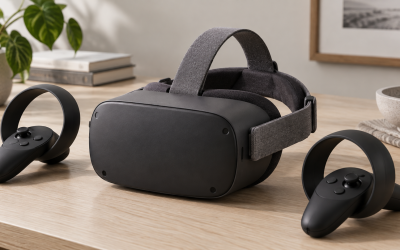
VR headsets lose value quickly once a new generation arrives, which makes the used market tempting for anyone trying to get into virtual reality on a budget. But a headset is a more delicate purchase than a used controller or game, with lenses, straps, batteries, and account locks all in play. This guide weighs the savings against the risks and gives you a practical checklist so a secondhand headset ends up a bargain rather than a headache.
As an Amazon Associate we earn from qualifying purchases at no extra cost to you.



Our Top Picks



Top 3 picks at a glance
The appeal of buying used
The main draw is obvious: a headset a generation or two old can sell for a large discount off its launch price, often 30 to 50 percent less or more once a successor lands. For casual play, older hardware is still perfectly capable, and buying used is an eco-friendly way to reuse working electronics. If your goal is simply to experience VR without a big outlay, the used market can be excellent value.
The risks to weigh
| Risk | What to check |
|---|---|
| Scratched lenses | Inspect for scuffs; lens damage is permanent and ruins clarity |
| Worn face foam and strap | Replaceable, but factor in the cost of new cushions |
| Degraded battery | Built-in cells lose capacity over years of charging |
| Account lock or ban | Confirm the device is fully reset and unlinked |
| Software support | Very old headsets may lose updates and app support |
What to inspect before buying
Lenses are the deal-breaker. Even small scratches are permanent and sit right in your vision, so inspect them closely or insist on clear photos. Test the tracking, every button, and both controllers if included. Check that the headset has been factory reset and unlinked from the previous owner’s account, because a device still tied to someone else can be unusable. Hygiene matters too, so plan to replace the face cushion.
Watch for software end-of-life
A headset that is very old may have stopped receiving system updates, and stores can drop support for aging hardware, shrinking the game library over time. Before buying the cheapest model available, confirm it still receives updates and that the games you want run on it. A slightly newer used headset is often a smarter buy than the absolute oldest one.
Where used makes the most sense
Buying used is smartest one generation back, where prices have dropped but support and libraries remain healthy. It is also low-risk for tethered PCVR headsets, which have no internal battery to degrade. It is riskiest for very old standalone units with worn batteries and fading software support.
Where to buy and how to protect yourself
Where you buy a used headset matters almost as much as which one you choose. Platforms with buyer protection and clear return policies reduce the risk of a dead-on-arrival unit or an account-locked device, which is worth a little extra over a purely private cash sale with no recourse. If you buy locally, test everything in person: put the headset on to check the lenses and display, confirm tracking works, try every button on both controllers, and verify the device boots to a fresh setup rather than someone else’s account. Ask directly whether it has been factory reset and unlinked, and be wary of sellers who cannot or will not confirm this. Photos of the lenses at an angle reveal scratches that head-on shots hide. Factor the cost of a replacement face cushion and possibly a new strap into your budget, since these are cheap and greatly improve hygiene and comfort. Finally, lean toward models only a generation old, which still receive updates and have healthy game libraries, rather than the very cheapest ancient units. A little diligence turns the used market from a gamble into a reliable way to save money.
FAQ
What is the most important thing to check on a used VR headset?
The lenses. Scratches are permanent, sit directly in your field of view, and cannot be repaired, so inspect them carefully. After that, confirm the device is factory reset and unlinked from the seller’s account.
Should I worry about hygiene with a used headset?
Somewhat, but it is manageable. Replace the face cushion with a fresh one and wipe down the straps and controllers. Aftermarket face interfaces are inexpensive and make a used headset feel clean and personal.
Bottom line
A used VR headset can be a genuine bargain, especially one generation back where prices fall but support holds. Inspect the lenses for permanent scratches, confirm the device is reset and account-unlinked, budget for a new face cushion, and avoid the very oldest models that may lose software support. Do that homework and secondhand VR is often a smart way in.