Eye tracking used to be an enterprise-only luxury, but it now appears on a growing number of consumer VR headsets, usually at a price premium. The obvious question for buyers is whether those small cameras pointed at your pupils actually improve gaming, or whether they are a spec-sheet flourish you will rarely think about. The honest answer depends on what you play and how long you plan to keep the headset. Let us weigh what eye tracking genuinely delivers today.
As an Amazon Associate we earn from qualifying purchases at no extra cost to you.


Our Top Picks
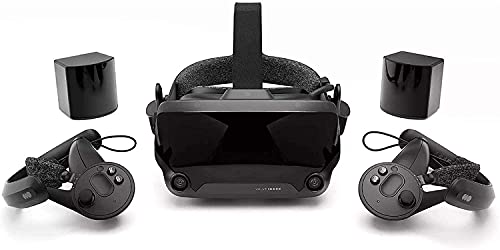

Top 3 picks at a glance
What eye tracking enables
At its core, eye tracking tells the headset exactly where your gaze lands, many times per second. That single capability unlocks several features:
Dynamic foveated rendering
The biggest practical win. By rendering full detail only where you look, the headset can save a large slice of GPU work, often 30 to 50 percent, and spend it on higher frame rates or better visuals. On PCVR this can let a mid-range card run games that would otherwise stutter.
Social presence and immersion
In multiplayer and social apps, your avatar’s eyes move like your real ones, making conversations feel more natural. It is a subtle touch, but it adds a lot to the sense that another person is really there.
Gaze-based interaction
Menus and aiming can respond to where you look, which speeds up navigation and enables accessibility options for players with limited hand mobility.
The trade-offs
Eye tracking is not free. It adds cost, requires a quick calibration, and consumes a little battery. Here is a rough comparison of what the premium buys.
| Factor | Headset without eye tracking | Headset with eye tracking |
|---|---|---|
| Typical price premium | Baseline | Roughly $100 to $300 more |
| Foveation type | Fixed only | Dynamic, gaze-following |
| Setup | None extra | Short per-user calibration |
| Best for | Casual and budget buyers | PCVR enthusiasts, sim players, developers |
Who should pay for it
If you run demanding PCVR titles such as flight and racing sims at high resolution, dynamic foveation alone can justify the cost by lifting frame rates. Enthusiasts who keep hardware for several years also benefit because eye tracking is likely to matter more as software adopts it. On the other hand, if you mostly play lightweight standalone games, fixed foveated rendering already covers you, and the money is often better spent on a comfort strap, more storage, or prescription lens inserts.
Calibration and accuracy realities
Modern eye tracking is fast and generally accurate to within a degree or two, which is plenty for foveation and avatars. It can occasionally drift if the headset shifts on your face, so a snug fit helps. Glasses wearers and people with certain eye conditions may see slightly reduced reliability, though most users get a solid experience after the brief calibration step.
How eye tracking ages over time
One reason to think carefully about eye tracking is longevity. Hardware features that software has not fully embraced yet often become more valuable over a headset’s life, and eye tracking fits that pattern. Today its clearest payoff is dynamic foveated rendering and lifelike avatars, but developers are steadily adding gaze-based aiming, smarter menus, automatic depth of field, and accessibility options that lean on knowing where you look. If you tend to keep a headset for several years, buying eye tracking now can mean unlocking new capabilities through software updates rather than needing new hardware. Conversely, if you upgrade frequently or play mostly lightweight games, you may replace the headset before those benefits mature, which weakens the case for paying extra. Battery and calibration costs are real but minor: the short per-user calibration takes seconds and tracking sips only a little power. Weigh the roughly one hundred to three hundred dollar premium against how long you plan to keep the device and how demanding your library is, and the decision usually becomes clear.
FAQ
Does eye tracking work if I wear glasses?
Usually yes, though a very snug fit and prescription lens inserts often improve accuracy. Some users find calibration takes an extra attempt with glasses, but tracking then performs reliably.
Is eye tracking a privacy concern?
Gaze data stays on the device for rendering in most consumer headsets, and apps must request access. Review the permissions during setup if you want to control what is shared with individual games and platforms.
Bottom line
Eye tracking is worth it if you play GPU-heavy PCVR, value avatar realism, or want a headset that ages gracefully as software catches up. For casual standalone gaming, fixed foveation already handles the essentials, and the premium is better spent elsewhere. Match the feature to your library and your upgrade horizon rather than buying it just because it sounds advanced.