The best jogging strollers for most runners in 2026 are the Thule Urban Glide 3 for pavement and mixed-use, the BOB Gear Alterrain Pro for trail and all-terrain suspension, and the Baby Trend Expedition Jogger as a budget entry point, with your choice ultimately coming down to front-wheel lock type, suspension travel, harness design, and whether the folded footprint fits your trunk.
As an Amazon Associate we earn from qualifying purchases at no extra cost to you.


Our Top Picks
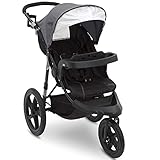
 BOB Gear Revolution Flex 3.0 Duallie Jogging Stroller48x30.5x45 Inch (Pack of 1)48 x 30.5 x 45 inches33.1 PoundsCheck on Amazon
 Baby Trend Expedition Double Jogger Stroller1 Count (Pack of 1)43 x 32.5 x 41 inches32.18 poundsCheck on Amazon
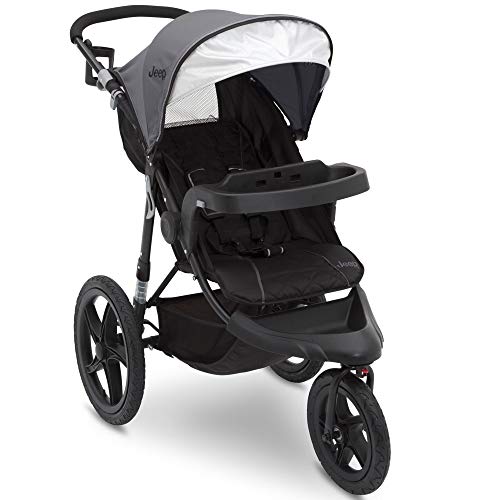

Top 3 picks at a glance
How to Choose a Jogging Stroller for Running
A jogging stroller is not a standard stroller with bigger wheels. A true jogging stroller has a fixed or lockable front wheel, hand brake, 5-point harness, and suspension designed to stay stable at 6-10 mph. If you run regularly, prioritize these four systems in this order: wheel lock and tracking, suspension, safety harness and braking, then folded size.
1. Front Wheel: Fixed vs. Lockable Swivel
This is the single biggest safety and performance decision.
- Lockable swivel (recommended for most): Lets you unlock for walking/maneuvering and lock straight for running. Models like the Thule Urban Glide 3 and Chicco Activ3 use this design. Locks with a lever or twist collar at the fork. When locked, the wheel cannot caster, which prevents speed wobble.
- Permanent fixed wheel: Found on dedicated track/trail racers. Most stable at speed but hard to turn in stores or on sidewalks. Only choose this if you run 90%+ on straight paths and have a second stroller for everyday use.
- Tracking adjustment: Look for a tracking knob or dial on the front fork. If the stroller pulls left or right when locked, micro-adjust tracking so it rolls straight without you fighting the handlebar. This reduces wrist strain on long runs.
Rule: If you will walk as much as you run, you need a lockable swivel. If you only run on open roads, fixed is faster and more predictable.
2. Suspension That Actually Matters
Cheap strollers use spring-over-wheel that only looks like suspension. Real jogging suspension keeps the seat level when one wheel hits a bump, so the child is not jostled and the stroller does not deflect off line.
- Rear coil or elastomer suspension: Found on the BOB Gear Alterrain Pro and Thule Urban Glide 3. 1.5 to 3 inches of travel is enough to absorb curb lips, cracked asphalt, and packed dirt without bouncing. Adjustable suspension (BOB’s SmoothShox) lets you set it softer for a lighter child and firmer for a heavier child + cargo.
- No front suspension: Acceptable if the front tire is 12-inch air-filled and run at lower pressure (25-30 PSI). The tire itself becomes the suspension.
- Air-filled tires vs. foam: 16-inch rear / 12-inch front pneumatic tires roll smoother and faster than solid foam. The trade-off is you need to carry a mini pump and check pressure weekly. For trail, pneumatic is non-negotiable.
For road running, rear suspension + pneumatic tires is the sweet spot. For gravel, grass, or light trail, you need adjustable rear suspension and at least 16-inch rear wheels.
3. Safety Harness and Brakes
Do not buy any jogger without these:
- 5-point harness with shoulder pads and crotch strap: Lap-only or 3-point belts allow a child to lean or slump at speed. The harness should tighten at the shoulders and waist independently, stay flat without twisting, and buckle with a two-step release that a toddler cannot open.
- Hand brake + foot parking brake: The foot brake is for parking. The hand lever (bicycle-style) is for speed control on downhills. Thule and BOB include a twist or lever hand brake that drags the rear wheels progressively – essential if you run hills. Without it you are pushing and holding back 35-55 lbs of stroller + child with your body alone.
- Wrist tether strap: A short strap that loops around your wrist prevents runaway on an incline if you lose grip. Always use it when the front wheel is locked.
- Recline and head support: A near-flat recline is not for running, but needed if the child falls asleep. Ensure the head has side support so it does not bobble when you pick up pace.
4. Folded Size and Car Storage: Will It Actually Fit?
Jogging strollers are long – usually 45-55 inches long unfolded. Folded size determines if you will use it.
- One-hand compact fold: Thule Urban Glide 3 and Joovy Zoom360 fold with a sliding collar and twist; the stroller stands on its own. BOB Gear Alterrain Pro folds in two steps and is longer when folded.
- Quick-release wheels: Removing the rear wheels saves 5-7 inches of width and 3-4 lbs for lifting into a trunk. If you drive a sedan, this matters more than weight on paper.
- Handlebar clearance: Fixed handlebars at 42+ inches high may not clear trunk lids on compact hatchbacks. Look for a handlebar that rotates or where the fold brings the bar inward.
Spec Comparison: Leading Jogging Strollers in 2026
Prices are general market ranges and vary by color and accessories. Usually $300-$550 for mid-range, usually $550-$700 for premium all-terrain.
| Model | Wheel Size (F/R) | Weight | Folded Size (L x W x H) | Suspension | Brake System | Best For |
|---|---|---|---|---|---|---|
| Thule Urban Glide 3 | 12″ / 16″ pneumatic | 25.3 lbs | 34 x 23.5 x 13 inches | Rear coil, integrated | Foot parking + twist hand brake | Road running, everyday use |
| BOB Gear Alterrain Pro | 12.5″ / 16″ pneumatic | 32.5 lbs | 40 x 25.5 x 16.5 inches | SmoothShox adjustable rear | Foot parking + hand lever brake | Trail, gravel, heavier loads |
| Chicco Activ3 | 12″ / 16″ pneumatic | 26 lbs | 35 x 24 x 16 inches | Rear + front leaf spring | Foot parking only | Suburban sidewalks, fitness jogging |
| Joovy Zoom360 Ultralight | 12.5″ / 16″ pneumatic | 26.5 lbs | 38 x 23 x 17 inches | Rear elastomer | Foot parking only | Taller parents, straight-line speed |
| Baby Trend Expedition Jogger | 12″ / 16″ pneumatic | 27.5 lbs | 46 x 21 x 18 inches | Basic front/rear spring | Foot parking only | Budget pavement use |
Decision Matrix: Match Your Terrain and Storage to the Right Stroller
Use this to avoid buying more or less stroller than you need.
| Your Situation | Wheel Lock Needed | Suspension Needed | Stroller Class to Choose |
|---|---|---|---|
| Run 3-5 miles on city streets/sidewalks, store in sedan or small SUV | Lockable swivel, tracking adjust | Rear coil, pneumatic tires | Thule Urban Glide 3 or Chicco Activ3 type |
| Run on packed dirt, park paths, or cracked rural roads | Lockable swivel, firm lock | Adjustable rear travel 2″+, 16″ rears | BOB Gear Alterrain Pro class |
| Hill training or long downhills | Lockable swivel | Any with hand brake mandatory | Premium with hand brake (Thule / BOB) |
| Very limited trunk (compact car, no wheel removal) | Lockable swivel | Lightweight rear elastomer | Compact-fold 25-26 lb class |
| Occasional jog + daily errands, one stroller only | Swivel for errands, locks for jogs | Moderate suspension acceptable | Hybrid jogger (Activ3 / Urban Glide 3) |
| Budget under $350, smooth pavement only | Lockable swivel | Basic spring | Baby Trend Expedition class – avoid trail |
Will It Fit Your Car? A 30-Second Calculation
Spec sheets list folded dimensions, but trunks are irregular. Measure your trunk’s narrowest usable rectangle: width between wheel wells and depth from seatback to latch.
Worked example: A compact sedan trunk measures 42 inches wide (between wells) x 30 inches deep x 15 inches tall under the parcel shelf.
- Thule Urban Glide 3 folded is 34 x 23.5 x 13 inches. It fits flat with 8 inches of width and 2 inches of height to spare. No wheel removal needed, leaves room for a diaper bag.
- BOB Gear Alterrain Pro folded is 40 x 25.5 x 16.5 inches. Length fits, but height is 1.5 inches too tall to slide under the shelf and width leaves little clearance. You must pop off one rear wheel (saves ~6 inches width, 3 inches height) to fit flat, or fold the rear seat.
- Baby Trend Expedition at 46 x 21 x 18 inches is too long to sit crosswise and too tall under the shelf. It only fits lengthwise and requires angling, which blocks groceries.
Calculation: Usable trunk volume is not the advertised cubic feet. For joggers, compare folded length + height first. If folded height > your trunk opening height minus 2 inches, plan on wheel removal every time.
Setup for a Smooth, Safe First Run
After assembly, do this before you run:
- Inflate tires to the sidewall PSI (usually 30-35 PSI). Softer = smoother but slower; harder = faster but harsher. Start at 30 PSI for mixed surfaces.
- Lock the front wheel and test tracking on flat pavement without a child. Push at a jog and let go briefly – it should roll straight for 15-20 feet. Adjust tracking dial until it does.
- Fit the harness snug: you should be able to slide one finger under the shoulder straps. Chest clip at armpit level. Re-check after the child wears a thicker jacket.
- Load test the hand brake on a gentle hill walking first. You should be able to feather speed without grabbing. If the stroller pulls when braking, check that both rear brakes engage evenly.
- Follow pediatric guidance: most manufacturers and pediatricians recommend waiting until the child can hold their head steady unassisted (usually around 6-8 months) before jogging, and using a fully reclined infant car seat adapter only for walking, not running.
Maintenance That Keeps Runs Smooth
Pneumatic joggers need more care than everyday strollers, but it takes five minutes a week. Wipe grit from the front fork and suspension pivots, check tire pressure, and spin each wheel to listen for bearing grind. Tighten the quick-release skewers until the lever leaves an imprint on your palm when closed. Annually, add a drop of dry lube to the folding hinge and check the wrist tether for fraying. If the stroller develops a shimmy at speed, the front wheel is either under-inflated, not fully locked, or tracking is off – fix in that order.
FAQ
Can I jog with a regular stroller if I lock the front wheel?
No. Regular strollers lack the wheelbase, hand brake, and 5-point harness geometry for running speeds. The front caster can flutter even when locked with a cheap lock, and small plastic wheels transmit every crack into the frame. Use a certified jogging stroller with a wrist tether.
What age can a baby go in a jogging stroller?
For walking with an infant car seat adapter, from birth per the adapter’s limits. For actual jogging, wait until the child has good head and neck control, typically 6 to 8 months minimum, and never jog with a car seat attached. Recline the seat if the child sleeps, but do not run at speed with a fully reclined newborn.
Are three wheels less stable than four?
At jogging speed, a three-wheel design with a long wheelbase is more stable straight and easier to push with one hand. Four-wheel strollers are more stable at rest for loading, but the triangle footprint of a jogger corners more predictably once the front wheel is locked.