The best food processor for fast meal prep is one that matches your usual batch size, ingredients, and available storage space—not simply the model with the largest motor. For most households, a 10–14-cup processor is the most versatile choice; cooks making mostly sauces and small portions may prefer a compact 3–5-cup model, while frequent batch cooks benefit from a 14-cup bowl and wide feed tube.
As an Amazon Associate we earn from qualifying purchases at no extra cost to you.
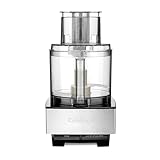


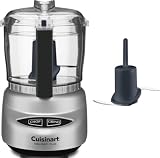
Our Top Picks
 Hamilton Beach Food Processor & Vegetable Chopper for10 Cups - Bowl Scraper8.5 x 10 x 16 Inches6.2 PoundsCheck on Amazon
 Ninja PrecisionPro Food Processor & Dough Mixer8.07 in L x 7.87 W x 16.02 in H8.07 x 7.87 x 16.02 InchesCheck on Amazon


Top 3 picks at a glance
Choose by workload, not headline power
Bowl capacity determines how much you can process in one batch, but usable capacity is lower than the bowl’s brim. Wet mixtures need headroom to circulate without leaking, while dry ingredients need room to move around the blade. A generously sized processor can save time on weekly prep, but it also takes up more counter and cupboard space.
Blade design and work-bowl shape matter as much as motor wattage. A sharp S-shaped chopping blade handles vegetables, nuts, and dough mixing; a reversible slicing and shredding disc speeds up repetitive prep. The bowl should be shaped so ingredients circulate toward the blade instead of sticking in an unprocessed layer. A pulse button helps control texture: short bursts keep onions chunky, while continuous processing makes a finer purée.
Compare common food-processor sizes
| Size class | Typical bowl capacity | Best suited to | Main trade-off |
|---|---|---|---|
| Compact | 3–5 cups | Salsa, dressings, small portions of chopped vegetables | Requires multiple batches for family meals |
| Mid-size | 7–10 cups | Everyday prep for one or two people, dips, and smaller dough batches | May not fit large vegetables through the feed tube |
| Full-size | 11–14 cups | Family meals, batch chopping, slicing, shredding, and many dough tasks | Heavier and harder to store |
| Large-capacity | 15–16 cups or more | Large households and frequent bulk preparation | Needs ample counter space and may be awkward for small batches |
Capacities are approximate classes, not a promise that every bowl can handle that much of every ingredient. Check the manufacturer’s maximum quantities for dough and liquids separately; those limits may be substantially lower than the advertised bowl size.
Match the processor to your meal-prep pattern
| Your typical workload | What to prioritize | A sensible choice |
|---|---|---|
| One or two servings; sauces and dips | Small bowl, easy scraping, simple storage | 3–5-cup compact processor |
| Weeknight dinners for a family | Versatile blade and discs, broad feed tube, stable base | 10–14-cup full-size processor |
| Weekly bulk chopping or shredding | Large bowl, wide feed tube, included slicing and shredding discs | 14-cup or larger model |
| Small kitchen or limited cupboard space | Short footprint, fewer attachments, nesting storage | Compact or mid-size model with a storage case |
Where popular models fit
Full-size versatility: Cuisinart Custom 14-Cup Food Processor
The Cuisinart Custom 14-Cup Food Processor is a practical option for cooks who want a large bowl for chopping, slicing, shredding, and dough tasks without a long list of specialty attachments. Its capacity suits many family meal-prep routines. Before buying, check the included accessories and the dimensions of the version sold in your market, since package details can differ.
Large-batch prep: Breville Sous Chef 16 Pro
The Breville Sous Chef 16 Pro is a large-capacity choice for cooks who regularly process substantial quantities and value a wide feed chute. That opening can reduce the need to cut ingredients down before slicing. The trade-offs are a sizable appliance, more parts to store, and a larger cleanup job. It is excessive if most of your work is a single onion or a small bowl of dressing.
Compact prep: KitchenAid 3.5-Cup Food Chopper
The KitchenAid 3.5-Cup Food Chopper suits small jobs such as mincing herbs, chopping a modest amount of vegetables, or making a quick sauce. Its compact size is easier to keep within reach and wash than a full-size processor. It is not a substitute for a large processor when you need even slices, substantial shredding, or family-size batches.
Calculate whether a larger bowl saves time
Suppose a recipe needs 12 cups of shredded vegetables. A 7-cup bowl may have a practical working load of about 5 cups, leaving room for ingredients to move. That means at least three batches: 5 + 5 + 2 cups. A 14-cup bowl with a practical load of about 10 cups could do the same job in two batches: 10 + 2 cups. The larger model may cut one loading and unloading cycle, but it will not eliminate the time spent rinsing and preparing vegetables.
This is why bowl capacity should be considered alongside feed-tube size. A wide tube can take larger pieces of produce and shorten knife prep, but food may feed unevenly if it is much smaller than the opening. The pusher should fit securely, and smaller ingredients should be positioned deliberately rather than dropped in loosely.
Check noise, cleanup, and storage before buying
- Noise: Food processors are generally loud while chopping or shredding, and high-speed or hard ingredients can sound especially harsh. A heavy, stable base may reduce rattling, but no standard processor is a quiet appliance. If you prepare food early or in a shared space, favor a model with a secure bowl and lid, and use short pulses where the recipe allows.
- Cleanup: Count the bowl, lid, pusher, blade, and discs—not just the parts that touch food. Fewer accessories mean less washing and less chance of losing a small component. Confirm which parts are dishwasher-safe in the product instructions; hand-wash sharp blades and discs carefully, regardless.
- Storage: Measure the appliance, not only the bowl. A wide base or tall feed tube may not fit under low cabinets. A case or in-bowl storage system helps keep blades and discs together, but it still takes cupboard space.
- Stability and controls: Non-slip feet and straightforward pulse controls are useful when processing dense ingredients. A processor that shifts on the counter or has a lid that is fiddly to lock can slow routine prep.
A quick buying checklist
Before choosing among the best food processors, write down the largest batch you regularly make and the jobs you repeat most often. If you mainly chop small amounts, prioritize easy access and cleanup over capacity. If you frequently slice or shred vegetables, look closely at the feed tube, included discs, and how securely they store. If you make dough, check the model’s dough capacity rather than assuming a large bowl guarantees strong dough performance.
Finally, check current specifications and package contents before purchasing. Models and included accessories can vary by region or product revision. General market prices also vary with size and attachments: compact processors are usually less expensive than full-size models, while premium large-capacity machines can cost several hundred dollars.
Frequently asked questions
Can a food processor replace a blender for every recipe?
No, a food processor is described here for chopping, slicing, shredding, mincing, puréeing, sauces, dips, and some dough tasks, but the article does not say it replaces a blender for every recipe. Its S-shaped blade handles vegetables, nuts, and dough mixing, while the bowl shape helps ingredients circulate toward the blade.
How much usable capacity should I expect from a processor’s advertised bowl size?
Expect usable capacity to be lower than the bowl’s advertised brim capacity. Wet mixtures need headroom to circulate without leaking, and dry ingredients need room to move around the blade. Manufacturer limits for dough and liquids may also be substantially lower than the stated bowl size, so check those limits separately before preparing large batches.
What should I look for if I regularly slice or shred vegetables?
Prioritize a reversible slicing and shredding disc, a broad or wide feed tube, and secure storage for the discs. A wide tube can reduce the need to cut produce down before slicing, while the disc can speed repetitive preparation. Ingredients much smaller than the opening may feed unevenly, so position them deliberately rather than dropping them in loosely.
Are food processors difficult to clean after use?
They can require washing several parts, including the bowl, lid, pusher, blade, and discs. Fewer accessories generally mean less washing and less chance of losing a small component. Confirm dishwasher-safe parts in the product instructions, and hand-wash sharp blades and discs carefully regardless. A compact processor may be easier to wash than a full-size model.
What should I check before buying a processor for making dough?
Check the model’s stated dough capacity instead of assuming that a large bowl guarantees strong dough performance. Also consider the S-shaped blade, since the article identifies it as suitable for dough mixing. Bowl capacity is only one factor: maximum quantities for dough may be substantially lower than the advertised bowl size, so review the manufacturer’s limits.