Our Short List of 3

- Best for: Demanding 1080p games at high settings and high refresh rates.
- 13th-generation Intel Core i7-13650HX processor
- NVIDIA GeForce RTX 4060 graphics at 140 watts
- 16GB DDR5 memory
- 1TB PCIe Gen4 solid-state drive

- Best for: Popular games at smooth frame rates on a mid-range card with a fast display.
- AMD Ryzen 7 7445HS processor
- NVIDIA GeForce RTX 4050 graphics
- 16GB memory
- 512GB solid-state drive

- Best for: Everyday gaming with a sturdy chassis built for daily travel.
- AMD Ryzen 7 7735HS processor
- NVIDIA GeForce RTX 4050 graphics with 6GB video memory
- 16GB DDR5-4800 memory
- 1TB PCIe solid-state drive
All 4 Picks at a Glance
| Product | Specs | Action |
|---|---|---|
| ASUS ROG Strix G16 |
| Check price on Amazon |
| HP Victus 15 |
| Check price on Amazon |
| ASUS TUF Gaming A15 |
| Check price on Amazon |
 MSI Katana A15 AI |
| Check price on Amazon |
A built gaming laptop arrives ready to play, with the graphics card, processor, memory and storage already matched by the maker, so the real decision is how much performance you need for the games you play and how much weight and heat you will accept in return. A machine that runs a demanding title at high settings needs a stronger graphics card and better cooling than one used mainly for lighter games and everyday work, and the screen has to keep up with the frames the hardware produces. The keyboard and the battery shape daily use too, so a balanced machine beats a lopsided one.
This guide is for buyers who want a laptop that works out of the box, from first-time PC gamers to players replacing an older machine and students who need one device for class and play. Every laptop below was chosen from the name and specifications shown on its Amazon page, with the graphics card, display and storage checked against the listing.
Our Top Picks
Top 3 picks at a glance
Quick Picks
As an Amazon Associate we earn from qualifying purchases
| Product | Best for | Key spec from title |
|---|---|---|
| ASUS ROG Strix G16 | High-refresh 1080p gaming | RTX 4060, 165Hz display |
| HP Victus 15 | Everyday gaming on a mid-range card | RTX 4050, 144Hz display |
| ASUS TUF Gaming A15 | Durable everyday gaming | RTX 4050, 144Hz display |
| MSI Katana A15 AI | Memory-heavy multitasking | 32GB RAM, RTX 4060 |
How to Choose
Graphics card first
The graphics card sets the ceiling for frame rates and settings, so start there and let the rest of the machine follow. A card in the RTX 4060 class handles demanding titles at high settings on a 1080p screen, while an RTX 4050 suits lighter games and medium settings with room to spare. Check the wattage the maker assigns to the card, since the same chip runs faster in a thick chassis with strong cooling than in a thin one. Match the card to the display resolution too, because a 1440p panel asks more of the card than a 1080p panel at the same settings.
Processor and memory
The processor carries the game logic, background tasks and streaming work, so a modern eight-core or six-core chip keeps frame times steady when the machine is busy. Memory matters just as much, because 16GB is the practical floor for current games with a browser and chat open beside them, and 32GB gives headroom for editing and heavy multitasking. Look for DDR5 memory and a solid-state drive with room for several large games, since slow storage shows up as long load times and stutter when a game streams new areas. A fast drive keeps those moments short.
Display and cooling
A fast display only helps when the graphics card can feed it frames, so pair a 144Hz or 165Hz panel with a card strong enough to reach those rates in your games. Check the panel type as well, because an IPS screen holds color and viewing angles better than a dim narrow-gamut panel, and a brighter screen stays readable in a lit room. Cooling decides whether the machine holds its speed during a long session, so look for dual fans and rear or side exhausts, and expect a gaming laptop to run warm and loud under load.
Size, weight and ports
A 15-inch machine suits most buyers, because it fits a standard bag and still leaves room for cooling, while a 16-inch screen adds viewing space at the cost of size. Weight matters when the laptop travels daily, since a machine near two kilograms feels different in a backpack than one closer to two and a half. Count the ports before buying, because a spare USB-C port, an HDMI output and a wired network jack cover a monitor, a headset and a stable connection without a hub, and a full-size keyboard keeps long sessions comfortable on a desk or a lap.
The 4 Best Options
ASUS ROG Strix G16
- Best for: Demanding 1080p games at high settings and high refresh rates.
- 13th-generation Intel Core i7-13650HX processor
- NVIDIA GeForce RTX 4060 graphics at 140 watts
- 16GB DDR5 memory
- 1TB PCIe Gen4 solid-state drive
Demanding 1080p games at high settings and high refresh rates.
It is a full-size machine, so it takes more bag space than a thin ultrabook when you travel.
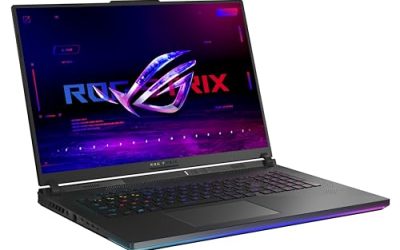
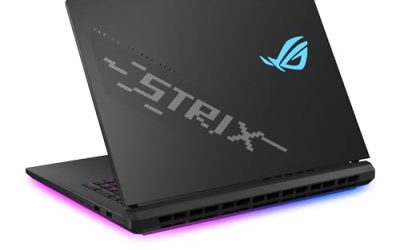
The Strix G16 pairs a 13th-generation Intel Core i7 processor with an RTX 4060 graphics card running at 140 watts, which is the strongest combination in this group for high-refresh 1080p play. Its 16GB of DDR5 memory and 1TB PCIe Gen4 solid-state drive leave room for a large game library and background apps without slowing down. The 165Hz display keeps fast motion smooth, and the cooling system is built to hold clock speeds through long sessions. It is the pick when frame rates matter more than weight. The 16-inch screen gives more room than a 15-inch panel for games and work side by side.
Watch out for: It is a full-size machine, so it takes more bag space than a thin ultrabook when you travel.
HP Victus 15
- Best for: Popular games at smooth frame rates on a mid-range card with a fast display.
- AMD Ryzen 7 7445HS processor
- NVIDIA GeForce RTX 4050 graphics
- 16GB memory
- 512GB solid-state drive
Popular games at smooth frame rates on a mid-range card with a fast display.
The 512GB drive fills quickly with several large modern games installed at once.
The Victus 15 combines a Ryzen 7 processor with an RTX 4050 graphics card, a pairing that handles popular competitive and story-driven games at smooth frame rates on its 144Hz screen. Its 16GB of memory keeps several apps open beside a game, and the 512GB solid-state drive loads games quickly while leaving room for a modest library. The 15.6-inch Full HD IPS panel holds color well from different angles, which helps when the laptop is shared on a couch or a desk. It suits buyers who want solid play without the heaviest hardware. The clean design fits a classroom or an office as well as a gaming desk.
Watch out for: The 512GB drive fills quickly with several large modern games installed at once.
ASUS TUF Gaming A15
- Best for: Everyday gaming with a sturdy chassis built for daily travel.
- AMD Ryzen 7 7735HS processor
- NVIDIA GeForce RTX 4050 graphics with 6GB video memory
- 16GB DDR5-4800 memory
- 1TB PCIe solid-state drive
Everyday gaming with a sturdy chassis built for daily travel.
The RTX 4050 asks for lower settings in the most demanding titles at high resolutions.
The TUF Gaming A15 is built around a Ryzen 7 processor and an RTX 4050 graphics card with 6GB of video memory, a combination that covers everyday gaming and lighter creative work without fuss. Its 16GB of DDR5-4800 memory and 1TB PCIe solid-state drive give it room for a large library and fast load times. The 15.6-inch Full HD panel runs at 144Hz with full sRGB color coverage, and Wi-Fi 6E keeps wireless play stable on a modern network. The TUF line is known for a sturdy chassis that tolerates daily travel. The sturdy chassis suits a laptop that travels every day.
Watch out for: The RTX 4050 asks for lower settings in the most demanding titles at high resolutions.
MSI Katana A15 AI
- Best for: Gaming beside editing, streaming and heavy multitasking at once.
- AMD Ryzen 7-8845HS processor
- NVIDIA GeForce RTX 4060 graphics
- 32GB DDR5 memory
- 1TB solid-state drive
Gaming beside editing, streaming and heavy multitasking at once.
The larger memory and cooling add bulk compared with thinner laptops in this group.
The Katana A15 AI pairs a Ryzen 7 8845HS processor with an RTX 4060 graphics card, and its 32GB of DDR5 memory is the largest in this group, which helps when a game runs beside editing software, a browser full of tabs and a stream. The 1TB solid-state drive holds a large library, and the Cooler Boost 5 system moves heat out during long sessions. The keyboard is tuned for long gaming nights, with a layout that keeps the main keys easy to reach. It is the choice for buyers who multitask heavily while they play. The extra memory helps when updates download during play.
Watch out for: The larger memory and cooling add bulk compared with thinner laptops in this group.
Which One Fits Your Situation
For competitive play
Pick the Strix G16 when frame rates come first, because its 140-watt RTX 4060 and 165Hz display keep fast motion smooth. The Katana A15 AI is the backup choice, with the same graphics class and extra memory for a stream running beside the game. Both machines hold their speed through long matches, so the choice comes down to whether you want the faster screen or the larger memory.
For school and everyday use
The Victus 15 fits a student or an everyday user, because it plays popular games well and still handles classwork, documents and video calls without fuss. The TUF Gaming A15 is the tougher alternative when the laptop travels every day. Its 15.6-inch screen is large enough for split-screen work, and the 512GB drive holds the apps and files a term needs, with room for a few games beside them.
For heavy multitasking
The Katana A15 AI leads here, because 32GB of memory keeps a game, an editor, a browser and a stream open at once. The Strix G16 is the second choice, with a stronger screen and the same graphics class for players who edit after they play. Both machines carry 1TB of storage, so large projects and game libraries fit without constant cleanup or waiting.
For a first gaming laptop
The Victus 15 is the simplest first step, because it covers popular games at smooth frame rates without the weight or complexity of a flagship machine. The TUF Gaming A15 is the pick when durability matters more, with a sturdy chassis and a larger drive for a growing library. Both machines run popular games well, so the choice comes down to whether you want the lighter first step or the tougher chassis.
Common Mistakes
- Buying the strongest graphics card and pairing it with a slow 60Hz display that cannot show the extra frames you paid for.
- Choosing a 512GB drive for a library of large modern games and then deleting titles every week to make room.
- Ignoring cooling and weight, then finding the laptop throttles or feels heavy in a daily bag on the way to class.
- Picking a thin machine for demanding games without checking the wattage the maker gives its graphics card in that chassis.
- Forgetting to check ports and wireless, then needing a hub for a monitor, a headset and a wired connection at your desk.
Frequently Asked Questions
Do built gaming laptops need any setup before playing?
They arrive with the operating system and drivers installed, so most buyers only need to sign in, update the system and install their game store. Check for a graphics driver update first, because a fresh driver can fix stutter and unlock settings in newer titles. Update the game store too, since new titles often need the latest version.
How much memory does a gaming laptop need?
16GB is the practical floor for current games with a browser and chat open beside them, and it suits most buyers in this guide. Choose 32GB when editing, streaming or heavy multitasking runs beside the game, because extra memory keeps frame times steady under load. A browser with many tabs open uses more memory than most buyers expect.
Is a 144Hz display worth it on a mid-range laptop?
Yes, when the graphics card can reach those frame rates in the games you play, because motion stays smoother and aiming feels more responsive. A 144Hz panel also helps everyday scrolling and video, so it is worth having even when a demanding title runs below the maximum rate. Everyday scrolling feels smoother on a fast panel too.
Can a gaming laptop replace a desktop for everyday work?
Yes, for most buyers, because the same hardware that runs games also handles documents, video calls, editing and browsing with ease. Add an external monitor, keyboard and mouse at a desk, and the laptop works like a desktop while staying portable for travel and class. A laptop also travels, which a desktop cannot do.
Related guides
More from Amazon
Programs that pair well with the guide above. Offers and eligibility are set by Amazon and may change.
Free shipping on eligible items, Prime Video and more. Eligible new members can start with a free trial.
Start a Prime free trialAd-free music streaming. Eligible new subscribers can start with a free trial.
Try Music Unlimited freeA Prime membership for ages 18-24 with a trial period. Eligibility is set by Amazon.
See Prime for Young AdultsAudiobooks and podcasts to listen to on the go. Eligible new members can start with a free trial.
Try Audible freeAs an Amazon Associate we earn from qualifying purchases.