Our Top Picks
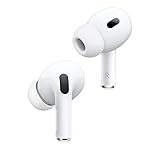
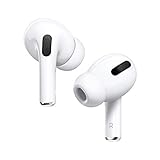
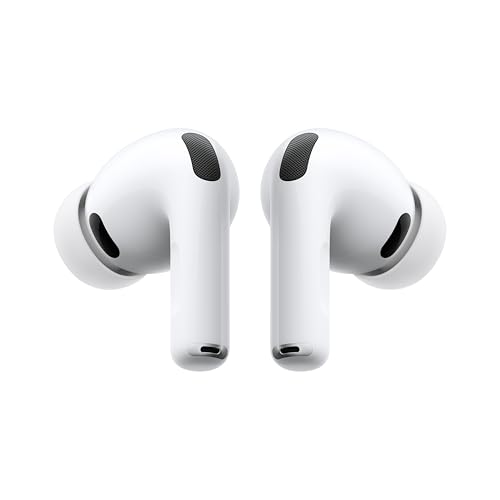 Apple AirPods Pro 3 Wireless Earbuds with ActiveOne Size1.1 x 0.8 x 1.2 inches0.02 poundsCheck on Amazon
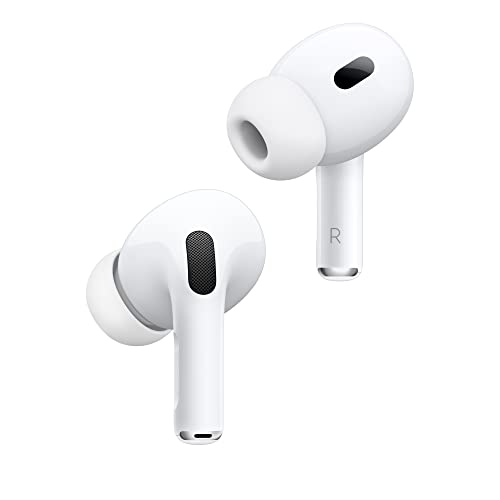
Top 3 picks at a glance
Best Cyber Monday Earbuds Deals: What Actually Matters in 2026
The best Cyber Monday earbuds deals in 2026 are not the cheapest ones — they are the models discounted on the features that matter for your use case: ANC depth in real-world noise, codec support for low-latency gaming, and battery life measured with ANC on rather than off. Expect genuine flagship active-noise-cancelling earbuds to land in the $150–$250 range during the sale window, previous-generation flagships around $90–$140, and budget models with usable ANC near $40–$70. Below is a breakdown of how to read those deals, which spec numbers to check first, and which picks suit which buyer.
Quick comparison: the Cyber Monday earbud tiers
| Pick | Best for | Key specs to verify | Typical Cyber Monday range |
|---|---|---|---|
| Flagship-tier ANC class (e.g. Sony WF-1000XM-class, Bose QuietComfort Ultra Earbuds, Apple AirPods Pro-class) | Best overall ANC + sound | Hybrid feedforward/feedback ANC, LDAC or AAC, 6–8 h with ANC on, IPX4–IPX5 | $150–$250 |
| Previous-generation flagship | Best value | Same ANC architecture, older codec list, 5–6 h ANC on, IPX4 | $90–$140 |
| Gaming-first low-latency class (2.4 GHz dongle models) | Best for gaming | 2.4 GHz USB-C dongle, 20–40 ms reported latency, 5–7 h, IPX4 | $70–$150 |
| Budget ANC class | Best cheap ANC | Single-hybrid ANC, SBC/AAC only, 4–5 h ANC on, IPX4–IPX5 | $40–$70 |
| Open-ear / sport fit class | Best for running and awareness | No seal, IPX5–IPX7, 6–10 h, minimal ANC by design | $50–$120 |
Best overall: flagship ANC class
If you want one pair for commuting, flights and music, buy the discounted current-generation flagship. Per manufacturer spec sheets, this class typically delivers 6–8 hours of playback with ANC engaged and roughly 20–24 hours total with the case, using hybrid ANC with multiple microphones and an inward-facing driver monitor. The trade-off is price even on sale, and the fact that the newest models sometimes ship with firmware quirks that older, cheaper generations have already ironed out.
As an Amazon Associate we earn from qualifying purchases at no extra cost to you.


What to check before you click buy:
- ANC depth, not ANC “on/off.” Look for a stated attenuation figure in dB or a claim like “up to 2× the cancellation of the previous model.” A numerical claim is the only one you can compare across brands.
- Transparency mode quality. Deep ANC almost always comes with a transparency mode that sounds processed. If you wear earbuds in an office, this matters more than another 2 dB of cancellation.
- Codec list. LDAC and aptX Adaptive on Android; AAC is the ceiling on iOS regardless of what the box says.
Best value: previous-generation flagship
The single best ratio of ANC quality to dollars on Cyber Monday is usually the previous flagship — often 40–50% below its launch price while retaining the same microphone array and seal design as the newer model. You lose the newest codec, a slightly lower-latency chipset, and sometimes wireless charging. You keep the ANC that people actually bought the line for.
Buy this tier if: your phone is 1–3 years old, you don’t game competitively on earbuds, and you care about fit options. It is the wrong tier if you need sub-50 ms gaming latency, which older chipsets rarely provide.
Best for gaming: the low-latency decision matrix
Standard Bluetooth audio is the wrong transport for competitive gaming. SBC and AAC buffers sit in the 150–250 ms range end-to-end, which is roughly 9–15 frames at 60 fps — enough to make gunfire and footsteps feel detached from the on-screen action. Use the matrix below to pick your path.
| Your situation | Right choice | Why |
|---|---|---|
| PC or PS5/Xbox with a dongle-friendly port | 2.4 GHz dongle earbuds | Proprietary link skips Bluetooth’s buffer; reviews commonly report 20–40 ms, though the exact figure varies by firmware and host device |
| Android phone, casual mobile gaming | aptX Adaptive or LC3-capable earbuds | Lower buffering than SBC/AAC, and the phone must also support the codec — check both sides |
| iPhone only | Any AAC earbuds; accept ~150 ms+ | iOS locks you to AAC over Bluetooth, so low-latency marketing claims don’t apply |
| Single-player, story games, no voice chat | Any decent ANC earbuds | Lip-sync tolerance is far higher than competitive-timing tolerance |
Two concrete numbers worth memorizing: 60 fps means one frame every 16.7 ms. So a 150 ms Bluetooth delay is about 9 frames of lag; a 40 ms dongle link is about 2.4 frames. If you can feel the difference, you need the dongle. Also check whether the dongle occupies your only USB-C port on a handheld — some ship with a pass-through charging port and some do not.
Fit, tip sizes, and why the seal decides your ANC
ANC depth is only half electronic. A leaking seal can cost you most of the low-frequency cancellation you paid for, because passive isolation is the foundation the electronics build on. Most flagship models ship with four to five tip sizes in silicone; a few include one pair of foam tips, which seal more reliably but wear out in 6–12 months of daily use.
How to size correctly, with the reasoning:
- Start one size up from what looks right. Tip sizes are measured at the nozzle, not the ear canal; a large percentage of buyers are one size too small and blame the ANC.
- Do the seal test in the app if one exists. The earbuds play a tone and measure leakage from the inward microphone — this is a direct measurement, not a guess.
- Re-check after 20 minutes. Silicone warms and settles; a tip that felt tight at insertion may now leak.
- Consider foam only if you have chronic fit problems. Foam adds isolation but shortens tip life and slightly dulls treble.
Battery life with ANC on: the real math
Marketing headlines quote ANC-off numbers. Apply a discount before you compare deals: hybrid ANC typically costs 25–40% of rated runtime, so an 8-hour ANC-off rating lands near 5–6 hours with ANC on. Do a quick power budget for your actual week:
A 45-minute commute each way plus a 30-minute lunch equals 2 hours of daily use. With 6 hours of ANC-on runtime, a single charge covers three days, and a case with 4 extra full charges covers roughly two weeks. If you fly long-haul, buy the tier rated 7+ hours ANC-on or plan to carry the case in a pocket, because 5 hours does not cover a transatlantic flight with the case stowed in an overhead bin.
IP rating: read the second digit, not the first
IPX4 means splash resistance from any direction; IPX5 means a low-pressure water jet; IPX7 means temporary immersion. Sweat is closer to a splash than a jet, so IPX4 is genuinely adequate for gym use — but the rating applies to the earbuds, not the charging case, which is almost always unrated. For running in rain or kayaking, buy IPX5 or IPX7 and keep the case dry. Never interpret IPX4 as swim-safe.
How to choose in under five minutes
- Commuter, flights, focus work: flagship ANC class, $150–$250. Verify ANC-on runtime ≥ 6 h and a stated dB attenuation claim.
- Budget-conscious but ANC required: previous-gen flagship, $90–$140.
- Competitive gaming: 2.4 GHz dongle class, $70–$150. Confirm the dongle’s platform support and whether it has pass-through charging.
- Running and cycling: open-ear or IPX5+ sport class, $50–$120. Skip ANC — you need awareness more than silence.
- iPhone user: ignore codec marketing entirely; judge on ANC, fit and battery instead.
One last filter that saves buyers every year: check whether the app requires an account, and whether firmware updates are mandatory before first use. A heavily discounted model that needs a phone app for basic EQ is a worse deal than a slightly pricier one with on-device controls.
Frequently Asked Questions
Are earbuds actually cheaper on Cyber Monday than on Black Friday?
Broadly, no — the two events overlap heavily in the audio category, and most major brands run the same price through both. Cyber Monday sometimes adds bundles (a case cover, extra tips, or a dongle) rather than deeper cuts. If you see the price you want on Black Friday, buy it; waiting rarely produces a lower number on the same SKU.
How much latency is acceptable for gaming on Bluetooth earbuds?
For competitive play, aim for under 50 ms end-to-end, which realistically means a 2.4 GHz dongle rather than standard Bluetooth. For single-player games, anything under roughly 100 ms is usually unnoticeable. Remember that 60 fps equals 16.7 ms per frame, so a 150 ms Bluetooth delay is about nine frames of desync.
Does ANC drain the battery enough to matter?
Yes — plan on 25–40% less runtime with ANC engaged compared to the headline ANC-off figure. A model rated 8 hours without ANC typically delivers 5–6 hours with it. If your use case is a full workday, pick a tier rated 7 hours or more with ANC on, or count on a mid-day case top-up.
What IP rating do I need for the gym?
IPX4 is sufficient for sweat and typical gym use, since sweat behaves like a splash rather than a directed jet. Choose IPX5 or IPX7 if you run outdoors in rain or near water. Note that the charging case is usually not rated at all, so dry the earbuds before putting them away.
Do I need LDAC or aptX, or is AAC fine?
On Android, LDAC and aptX Adaptive can reduce latency and improve resolution on supported phones, but the phone and the earbuds must both support the codec — one side alone does nothing. On iPhone, everything runs on AAC regardless of the earbuds’ codec list, so don’t pay a premium for codecs iOS will not use.
How many tip sizes should a good pair include?
Four to five silicone sizes is the norm for flagship models, and that range covers most ears. If a heavily discounted model ships with only three sizes and you fall between them, the ANC performance you paid for will be compromised — fit is not a cosmetic detail on noise-cancelling earbuds.