Integrating high-performance Virtual Reality into a modern living space requires balancing cutting-edge technology with thoughtful home interior design. When setting up a tethered virtual reality space, the physical cord running from your gaming PC to your headset is more than just a data conduit—it is an physical element traversing your rug, hardwood flooring, and furniture layout. Selecting the right connection option comes down to a direct comparison: active optical link cable vs copper fiber cable for pcvr setups.
While traditional copper and hybrid copper-fiber cables rely on physical metal strands to push electrical signals and power across a room, active optical link cables (AOC) convert data into light pulses via microscopic fiber-optic strands. This technological shift impacts not only data throughput and signal latency, but also cable weight, flexibility, room safety, and how neatly your setup blends into your room’s aesthetic. Below, we break down how both cable designs perform in real-world living environments, comparing their physical footprint, ergonomics, durability, and total cost of ownership.
As an Amazon Associate we earn from qualifying purchases at no extra cost to you.


Our Top Picks


Top 3 picks at a glance
Quick Verdict
If your primary goals are lightweight comfort during active motion, seamless room aesthetics, and long-distance cable runs (15 to 30 feet) without signal degradation, an active optical link cable is the clear winner. Its ultra-thin 4.5mm profile and featherweight design minimize neck strain and make cable management along baseboards virtually invisible.
However, if you prioritize maximum headset charging capacity during marathon gaming sessions and require rugged crush resistance against heavy office chairs, energetic pets, or foot traffic, a standard copper or copper-hybrid PCVR cable is the more durable, budget-friendly choice for shorter tethering distances (under 10 feet).
Side by Side
| Feature | Active Optical Link Cable | Copper / Hybrid PCVR Cable |
|---|---|---|
| Ergonomic Weight | Featherweight (~2.5 oz for 16ft run); minimal drag on headset | Heavier (~8–14 oz for 16ft run); noticeable downward pull |
| Cable Flexibility | Extremely supple, low memory retention, easy overhead suspension | Stiffer jacket, holds coil memory, higher rotational resistance |
| Power Delivery & Charging | Varies: 15W–60W standard (select models up to 240W PD) | High: Consistent 18W–60W continuous power delivery |
| Max Lossless Distance | Up to 30ft–100ft+ with zero latency or signal attenuation | Typically capped at 10ft–16ft before requiring bulky repeaters |
| Crush & Impact Resistance | Moderate; sensitive to extreme pinching or sharp 90° bends | High; thick outer jacketing withstands foot traffic and chair wheels |
| Visual Aesthetics | Sleek, ultra-thin profile (4mm–5mm diameter); hides easily | Thicker profile (6mm–8mm diameter); harder to conceal |
| Price Range | around $45 – around $80 | around $15 – around $40 |
| Best For | Dedicated room-scale VR, overhead pulley systems, long runs | Seated simulator setups, high-impact family rooms, budget builds |
Where Active Optical Link Cable Wins
The standout advantage of an active optical link cable lies in its ergonomic weight and structural thinness. Fiber strands transmit data via light rather than electrical current through thick metal wiring. This allows manufacturers to reduce cable diameter down to a sleek 4.0mm to 4.5mm. When playing motion-heavy room-scale games, a 16-foot optical cable weighs roughly 2.5 to 3.5 ounces—less than half the weight of a comparable copper cable. This drastic weight reduction relieves downward drag on the user’s headset, lowering neck fatigue during long sessions.
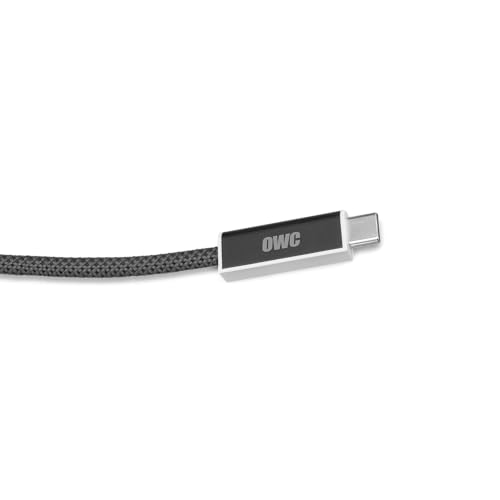
Optical technology also eliminates the distance barriers inherent to copper wiring. Electrical signals degrading over standard copper limits reliable USB 3.2 Gen 1/2 bandwidth to roughly 10 feet unless heavy active inline signal boosters are added. Optical fiber easily maintains full 5Gbps to 40Gbps data throughput over distances exceeding 30 feet without bulk. Premium options, such as the OWC USB4 Active Optical Cable 40Gb/s 240W 3.0M (9.8ft) USB-C priced around $69, demonstrate how optical cores can deliver unmatched bandwidth alongside massive power delivery capability in a sleek footprint.
For home decor, optical cables win on visual discretion. Their slim profile allows them to tuck neatly behind baseboard trims, run through narrow wall raceways, or drape unnoticed along furniture legs. Options engineered specifically for VR headsets—like the lightweight FIBBR Fiber Optic Link Cable 10FT for Oculus Quest 2/3/3S/Pro/Pico 4 (retailing around $49)—offer exceptional flexibility, effortlessly coiling away into small storage drawers when not in use.
Where Copper Fiber Cable for Pcvr Wins
While often colloquially called “copper fiber” in consumer search circles, traditional copper and heavy-duty hybrid cables excel in structural ruggedness and continuous raw power delivery. Because solid copper conductors carry high amperage directly from your PC motherboard or dedicated power injector, copper-based cables reliably maintain a headset’s internal battery at 100% charge during indefinite play windows.
Physical durability is another major advantage for copper and reinforced hybrid cabling. In shared living spaces or multi-purpose media rooms, cords inevitably face real-world hazards: desk chair casters rolling over them, family pets stepping on them, or tight accidental kinks during fast movements. High-density copper shielding and thick PVC or braided nylon jackets provide exceptional crush resistance, whereas unarmored optical cores can suffer internal glass micro-fractures if pinched beyond their minimum bend radius (typically under 20mm).
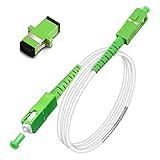
For comparison, extreme protective jackets are standard in industrial optical patches like the Bangun 5 Meters SC/APC to SC/APC Fiber Optic Internet Cable (around $11), which utilizes explicit internal armoring. Standard consumer PCVR copper cables achieve similar crush resistance simply through robust copper stranding and dense rubberized shielding. Furthermore, copper cables carry a lower price tag, often costing between around $15 and around $35, making them an approachable entry point for seated gaming or desk-bound VR setups.
Cost Over 5 Years
Evaluating the true cost of your tether setup requires looking beyond the initial purchase price to consider long-term durability and replacement cycles over a 5-year timeline:
- Active Optical Link Cable (Initial Cost: $50–$70): Premium optical cables carry higher upfront manufacturing costs due to the tiny optical-to-electrical transceivers built into each connector housing. Assuming careful cable management (such as ceiling pulley systems or neat coiling), a quality active optical cable easily lasts 3 to 5 years. Total estimated 5-year spend: around $50 – around $100 (including one potential replacement under heavy floor wear).
- Copper / Hybrid Cable (Initial Cost: $20–$40): While initial costs are lower, standard copper cords subjected to constant room-scale twisting and stepping tend to develop internal wire fatigue or loose connector joints over 12 to 18 months of active use. Over a 5-year span, replacing a worn copper cable twice is common. Total estimated 5-year spend: around $60 – around $100.
Financially, both cable types break even over time. The real deciding factor is whether you prefer paying slightly more upfront for superior comfort and room aesthetics, or spending less initial cash on a heavier, impact-resistant wire.
Which One for Your Home
Small Apartment
In compact living spaces where the main gaming rig sits close to the play zone, an active optical cable is ideal. Its light weight prevents the cord from catching on nearby coffee table corners, while its tiny diameter allows it to be neatly coiled and stowed out of sight in a drawer or decorative basket in seconds.
Family Room with Kids or Pets
For high-traffic, multi-use family spaces where floor cords face foot traffic, dog paws, and rolling furniture, a thick copper or hybrid cable provides essential durability. The heavy outer jacketing protects the internal conductors from accidental crushing and harsh 90-degree bends, preventing unexpected downtime.
Rental Space
If you rent your home and cannot drill holes or install permanent wall raceways, an ultra-thin active optical cable offers non-invasive routing flexibility. You can effortlessly run a thin 16ft optical cord along floor seams, carpet edges, or temporary adhesive clips without leaving noticeable marks on walls or baseboards.
Long-Term Dedicated VR Room or Modern Home
For home environments focused on clean lines and hidden technology, integrating a long-distance optical setup is the ultimate solution. Extended network patch fibers—such as the FLYPROFiber LC to LC Fiber Patch Cable OM3 Multimode 30M/98ft (around $33)—show how optical technology effortlessly spans extended distances across rooms or through wall conduits. By opting for active optical link technology in 2026, you ensure pristine video signal transmission across long distances while keeping your living area completely free of unsightly cord clutter.
FAQ
Does an active optical cable keep my VR headset fully charged while playing?
It depends on the specific cable design. While optical fibers transmit video data via light, electricity for charging still requires dedicated copper power wires inside the jacket. Select active optical cables support full USB Power Delivery (up to 60W or even 240W on high-spec models), keeping your headset at 100%. Lower-spec optical link cords may only provide 10W–15W, which slows battery drain during play but may not keep the headset fully charged over multi-hour sessions.
Can I run an active optical link cable along my room’s baseboards?
Yes. Active optical cables are exceptionally thin (around 4.5mm) and flexible, making them easier to tuck along carpet edges, baseboards, or surface raceways than bulky copper cords. Just take care to avoid tight, sharp 90-degree corners; maintain a smooth curve with a bend radius of at least 1 inch (25mm) to prevent damaging the delicate internal glass fibers.
What happens if an active optical cable gets stepped on or rolled over by a chair?
Light foot traffic on soft carpet typically will not harm a quality active optical cable. However, sharp point impacts—such as hard chair casters rolling over the cable on a hardwood floor—can fracture the delicate optical strands inside. If you plan to lay cable across open flooring with rolling chairs, use a rubber floor cord cover or opt for a heavy copper wire.
Why are copper cables heavier and stiffer than optical link cables?
Copper cables rely on multiple strands of physical metal to transmit high-speed data signals over distance. To prevent signal loss and electrical interference, manufacturers must add thick metal shielding and heavy plastic insulation. Optical cables replace bulky metal data strands with micro-thin fiber glass or polymer cores, drastically reducing the overall weight, thickness, and stiffness of the cord.
Related guides
- Best Free MMOs on Steam: Subscription Limits, Pay-to-Win and Time Cost (2026)
- Best Free Horror Games on Steam: How to Pick One That Fits Your PC and Your Nerves (2026)
- Black Frame Insertion vs VRR: Which Smoothness Feature Should You Use?
- Best Webcams for Streaming: 11 Listings Compared by Resolution, Focus and Light (2026)