A memory card is the cheapest part of a video kit and the one that ruins the most shoots. A card that cannot sustain its write speed drops frames, throws “recording stopped” errors, or corrupts a clip in the middle of a wedding toast. That is why the search for the best memory cards for 4K video is not really about the biggest number on the label. It is about sustained write speed, the right card format for your camera, and enough capacity that you never have to delete footage on location.
This guide is for people who record 4K on mirrorless cameras, DSLRs, action cameras, drones, dash cams, and security cameras. The eight cards below mix full-size SD cards, microSD cards with adapters, high-endurance models, and a two-pack, across capacities from 64GB to 256GB. As of 2026, 4K bitrates keep creeping upward, so the notes below stick to the speed classes and capacities the listings state. One practical reminder: if a card goes into a drone, check local flight rules before you fly.
Our Top Picks
 SANDISK 128GB High Endurance Video microSDXC Card with128 GB0.4 x 0.6 x 0.1 inches0 PoundsCheck on Amazon



Top 3 picks at a glance
Quick Picks
As an Amazon Associate we earn from qualifying purchases at no extra cost to you.




| Product | Best for | Key spec from the title |
|---|---|---|
| GIGASTONE 256GB 4K Camera Pro SD | Large-capacity camera use | 256GB, UHS-I A1 V30, up to 170MB/s |
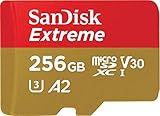
| SanDisk 256GB Extreme microSD | Action cams, drones, smartphones | 190MB/s read, 130MB/s write |
| Silicon Power 128GB microSD | Budget action cam and drone card | 128GB, U3, up to 100MB/s |
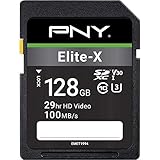
| PNY 128GB Elite-X SD | Everyday DSLR and mirrorless 4K | C10 U3 V30, up to 100MB/s read |
| Lexar 256GB Silver SD | Photographers and videographers wanting fast reads | 225MB/s read, V30, U3, UHS-I |
| SanDisk 128GB High Endurance microSD | Dash cams and home monitoring | High Endurance, C10 U3 V30, 4K UHD |
| SanDisk 64GB Extreme PRO SD | Fast transfers from a smaller card | 200MB/s read, up to 90MB/s write |
| GIGASTONE 128GB microSD 2-Pack | Two cameras or spare cards | A1 V30, 95MB/s, two cards |
How to Choose
Speed class: V30, U3, and the numbers that matter
The class markings tell you the minimum sustained write speed, which matters more than the headline read figure. U3 and V30 both guarantee at least 30MB/s of sustained writing, which is enough for most 4K recording at common bitrates. If your camera records at very high bitrates, check its manual for the required class. Ignore the big read speed on the front of the card, since reading from the card only affects how fast you copy files off it.
Capacity planning
4K footage is large. At a typical 100Mbps bitrate, an hour of video takes roughly 45GB, so a 128GB card holds a bit under three hours, and 256GB holds nearly six. Higher bitrates shrink those numbers. For events, carry multiple cards and swap them rather than filling one to the brim. A 64GB card works for short clips, but it fills quickly on a long shoot.
Format: SD, microSD, and adapters
Full-size SD cards fit most mirrorless cameras and DSLRs, while microSD cards are used in action cameras, drones, and phones. A microSD with an adapter can serve both, though adapters add a point of failure. Match the card format to your device’s slot and confirm that the camera supports the capacity, because older devices may not read 256GB cards in the SDXC format.
Endurance, warranty, and where budget cards cut corners
Dash cams and security cameras constantly overwrite old footage, which wears cards faster, so look for a High Endurance label. Budget cards cut corners on sustained write speed, durability, and warranty. A data recovery promise or a clear warranty is worth noting, but no card replaces backing up your footage. Buy from a seller you trust, and format the card in the camera before shooting.
The 8 Best Options
GIGASTONE 256GB 4K Camera Pro SD
This is a 256GB SD card with UHS-I, A1, and V30 markings, speeds up to 170MB/s, and a promised five years of free data recovery. The V30 mark means it targets sustained 4K recording on cameras that accept full-size SDXC cards, and the 256GB size gives long sessions room to breathe. Buyers who record interviews, events, or travel footage will appreciate not having to watch the remaining time.
- Strength: V30 plus 256GB suits long 4K sessions without swapping cards.
- Strength: a five-year data recovery offer is listed, which is a useful safety net.
- Trade-off: UHS-I caps the speed below what UHS-II cards can offer.
Skip it if your camera needs UHS-II speeds or if you would rather buy from an established professional-card brand with a long track record.
SanDisk 256GB Extreme microSD
This SanDisk microSD uses UHS-I and is built for 4K video on smartphones, action cameras, and drones, with 190MB/s read and 130MB/s write. The write speed is the number that matters for recording, and it is high for a microSD card, which suits bitrate-hungry action cameras. Because the card is small, it also fits phones and compact devices without any fuss, and it keeps one format across your gear.
- Strength: a 130MB/s write speed is listed, a strong figure for this format.
- Strength: it is explicitly marketed for action cameras and drones, where microSD is the norm.
- Trade-off: it is a microSD, so a full-size camera slot needs an adapter that is not mentioned in the title.
Skip it if your camera takes full-size SD cards only or if you shoot short clips that a smaller card would handle.
Silicon Power 128GB microSD
This is a 128GB microSD in the U3 SDXC class, with speeds up to 100MB/s, named for cameras, DJI Pocket models, and drones. It is a plain choice for basic 4K recording, and the title does not oversell it with extra badges. For an occasional drone flight or a pocket gimbal, that simplicity is often all a buyer needs.
- Strength: the U3 class supports 4K recording at common bitrates.
- Strength: the DJI Pocket and drone references show the intended use clearly.
- Trade-off: the title does not list V30 or an endurance rating, so long shoots deserve a second look.
Skip it if you want a V30 marking on the label or plan very long continuous recording, since less detail is given about sustained performance.
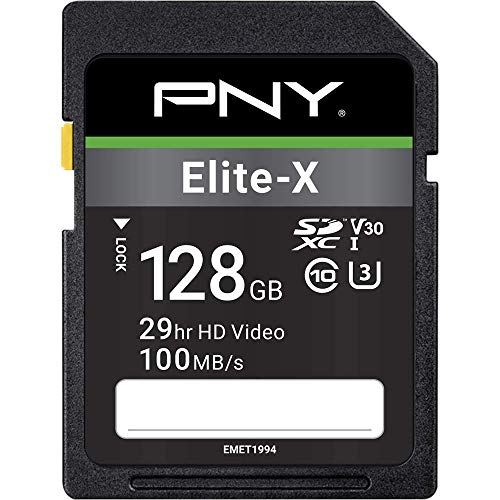
PNY 128GB Elite-X SD
This is a 128GB SDXC card with UHS-I, Class 10, U3, and V30 markings, and up to 100MB/s read for 4K UHD video and photos on DSLRs. It is a conventional full-size card for stills and video, and it carries all three of the common speed labels. That makes it easy to confirm against a camera manual that asks for a specific class.
- Strength: Class 10, U3, and V30 are all listed, which makes the sustained speed clear.
- Strength: it is aimed at DSLR users who need a full-size card.
- Trade-off: a 100MB/s read speed is lower than the faster cards here, so offloading takes longer.
Skip it if you need very fast transfers to a computer or a microSD card for an action camera or drone.
Lexar 256GB Silver SD
This is a 256GB SD card with 225MB/s read, 4K, V30, U3, and UHS-I, listed as compatible with Canon, Sony, and Nikon cameras. It stands out for its read speed, which speeds up the end-of-day copy to a computer. Photographers who shoot stills and video on the same card will notice the benefit in a busy workflow, where waiting for transfers wastes time.
- Strength: 225MB/s read speeds make offloading large 4K files quick.
- Strength: the large capacity and major camera brands are named in the title.
- Trade-off: the title does not state a write speed, which is the number that matters while recording.
Skip it if write speed is your priority or if your device only takes microSD, since this is a full-size card.
SanDisk 128GB High Endurance microSD
This is a 128GB High Endurance microSDXC card with an adapter, built for dash cams and home monitoring, and listed as C10, U3, V30, and 4K UHD. The endurance label is the point: it is meant for devices that record and overwrite all day. Home monitoring cameras and car cameras both run on a loop, so durability counts for more than peak speed.
- Strength: High Endurance suits constant overwriting in dash cams and monitors.
- Strength: an adapter is included, so it works in more devices.
- Trade-off: it is positioned for surveillance-style recording, not high-speed burst photography.
Skip it if you shoot a camera that needs very high bitrates, or if you use a dash cam or monitor and want to confirm your local rules on recording first.
SanDisk 64GB Extreme PRO SD
This is a 64GB SD card with up to 200MB/s read, UHS-I, V30, U3, and C10, plus up to 90MB/s write and a backup-and-transfer pitch. It is a fast card in a small capacity, which suits short, high-quality shoots. It is also a fine second card for a camera that already has a large one, since a small fast card is easy to keep in a pocket.
- Strength: 90MB/s write and 200MB/s read are both listed, so the figures are clear.
- Strength: V30, U3, and C10 labels cover the usual recording requirements.
- Trade-off: 64GB fills quickly at 4K, giving you only about an hour and a half at a typical bitrate.
Skip it if you need long recording capacity on one card or shoot all-day events.
GIGASTONE 128GB microSD 2-Pack
This is a two-pack of 128GB microSD cards with A1 and V30 markings and 95MB/s, for 4K recording, compatible with security cameras, dash cams, and drones. Two cards give you a spare on hand, which suits anyone running more than one device. A pair is also useful for rotating cards, so one can be copied and cleared while the other records.
- Strength: two cards in one pack let you equip two devices or keep a backup.
- Strength: V30 is listed, which supports sustained 4K recording.
- Trade-off: the title does not mention an adapter or a High Endurance rating.
Skip it if you need a card built specifically for constant overwriting or one that includes a full-size adapter.
Which One Fits Your Situation
You fly a drone or use an action camera
The SanDisk 256GB Extreme microSD lists a 130MB/s write speed and is marketed for action cameras and drones. If the card goes into a drone, check local flight rules before flying.
You run a dash cam
The SanDisk 128GB High Endurance microSD is built for constant overwriting, which is exactly what a dash cam or home monitor does all day.
You shoot with a mirrorless camera
The Lexar 256GB Silver SD or the PNY 128GB Elite-X SD suit full-size slots, with the Lexar offering more capacity and the PNY listing a fuller set of speed labels.
You want spares
The GIGASTONE 128GB microSD 2-Pack gives you two cards, which is handy if you run a dash cam and a drone or want a backup in the bag.
Common Mistakes
- Choosing by read speed instead of write speed and speed class.
- Using a standard card in a dash cam.
- Filling one card instead of carrying a spare.
- Skipping formatting in the camera.
- Assuming every device supports 256GB.
Related guides
- How To Check Motherboard Vrm Temperature In Hwinfo
- How To Clean Quest 3 Lenses And Facial Interface
- Micro Sd Cards For Samsung Galaxy Phones
Frequently Asked Questions
Is V30 enough for 4K?
For most 4K recording, yes, because V30 guarantees at least 30MB/s of sustained writing. Check your camera manual, since some high-bitrate modes ask for a faster class.
What does High Endurance mean?
It means the card is built to handle constant rewriting, which is what dash cams and monitors do all day. A standard card can wear out faster under that workload.
How much 4K fits on 128GB?
Roughly under three hours at a typical 100Mbps bitrate. Higher bitrates shorten that, so carry a spare card on long shoots.
Is UHS-II necessary?
Only if your camera needs it. Most 4K recording works on UHS-I cards with a V30 marking, and UHS-II cards cost more and only help in cameras with UHS-II slots.