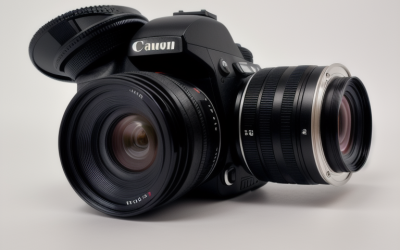
Wildlife photography is mostly a reach problem. A songbird on a fence post, a deer at the edge of a field, or a heron in shallow water will not let you walk up to it, so the camera has to bring the subject to you. That means the decision behind this keyword is not megapixels or video resolution; it is how much focal length you can get, how steady that long lens stays, and whether the camera will keep up when the animal moves. The wrong choice here is a wide, vlogging-style camera that looks impressive on paper but leaves the animal as a speck in the middle of the frame.
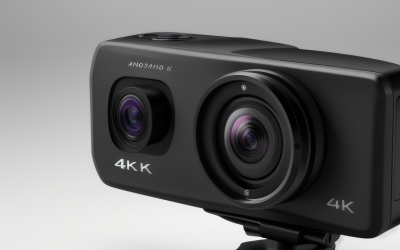
This roundup is for beginners and hobbyists who want to start photographing birds, backyard animals, and park or trail wildlife without spending on professional super-telephoto glass. It covers two kinds of cameras: long-zoom bridge cameras with a built-in lens, and entry-level interchangeable-lens bodies sold in kits with a 75-300mm telephoto. Two wide-angle, vlog-oriented digital cameras in the batch were left out of the picks because their titles emphasize vlogging and short digital zoom rather than a true telephoto reach.
Our Top Picks
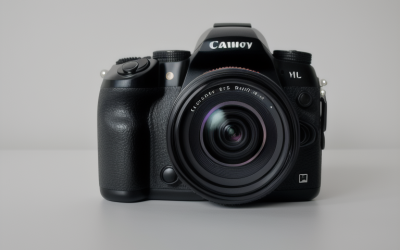
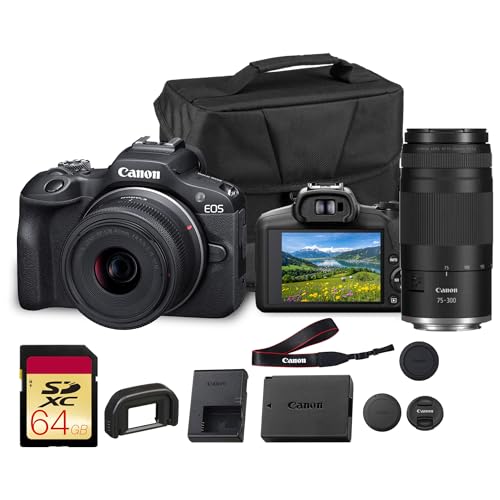 Canon EOS R100 Mirrorless Camera with 18-45mm &Compact2.7 x 4.6 x 3.4 inches4.16 poundsCheck on Amazon


Top 3 picks at a glance
Quick Picks
As an Amazon Associate we earn from qualifying purchases at no extra cost to you.



| Product | Best for | Key spec from the title |
|---|---|---|
| Canon EOS R100 double lens kit | Growing into mirrorless | 24.2MP APS-C, 4K video, 18-45mm and 75-300mm lenses |
| Canon EOS Rebel T7 double zoom kit | Long reach on an SLR budget | EF18-55mm plus EF 75-300mm, with 64GB card and bag |
| Kodak PIXPRO AZ405 | Maximum built-in zoom | 20MP, 40x optical zoom, OIS |
| Canon EOS Rebel T7 with 18-55mm | General photography first | 24.1MP APS-C, Wi-Fi and NFC, 64GB card |
| Kodak PIXPRO AZ255 | Lightest and simplest | 16MP, 25x optical zoom, OIS, AA batteries |
| Kodak PIXPRO AZ425 | Zoom with rechargeable power | 20MP, 42x optical zoom, OIS, Li-Ion battery |
How to Choose
Focal length and optical zoom
Reach is the number to check first. On bridge cameras, optical zoom tells you the multiplier: 25x, 40x, and 42x are the figures in this list, all starting from a 24mm wide angle. On interchangeable-lens kits, look for a 75-300mm telephoto, which is the entry-level standard for birds and mammals at a distance. Ignore “digital zoom” claims, because they crop the image rather than bringing the subject closer.
Stabilization and shutter speed
At long focal lengths every small hand tremor is magnified. Optical image stabilization, listed as OIS on the PIXPRO models, helps you hold sharp frames at the telephoto end. On the Canon kits, stability depends on the lens you attach, so check the lens details before buying. Wildlife also demands fast shutter speeds, so favor bright conditions at dawn and dusk only if the camera handles them, and do not expect budget bodies to freeze quick flight.
Sensor size, autofocus, and image quality
The Canon bodies use APS-C sensors, which are larger than the sensors in typical bridge cameras and generally handle low light better. That matters when animals are active in early morning. Bridge cameras trade some of that quality for a convenient, all-in-one lens with enormous range. If you mostly shoot in good daylight and want one camera that does everything, a bridge camera is the simpler path; if you plan to grow, an interchangeable-lens system is the better long-term foundation.
Animals move unpredictably, so autofocus speed matters as much as zoom. The listings here do not publish autofocus point counts or burst rates, which is typical at this level, so set realistic goals. Perched birds, grazing animals, and resting waterfowl are achievable subjects; birds in flight are hard for any entry-level camera. Practicing on slow subjects teaches you timing and anticipation, the skills that carry over to better gear later.
Power, storage, and carrying weight
Check what powers the camera. The AZ255 uses AA batteries, convenient in the field but heavy on spares, while the AZ425 lists a Li-Ion battery. Kits that include a memory card and bag save a separate purchase. Finally, think about weight: a long telephoto on a DSLR gets tiring on a day-long walk, and a lighter bridge camera is more likely to come along.
The 6 Best Options
Canon EOS R100 double lens kit
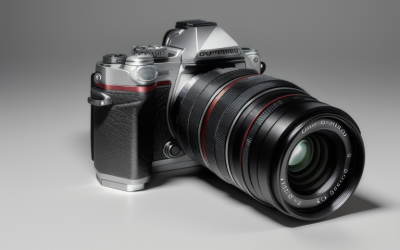
The R100 is a mirrorless entry point with a 24.2MP APS-C sensor and 4K video, sold with both an 18-45mm and a 75-300mm lens. That pairing is the key: the 75-300mm gives genuine telephoto reach for wildlife, while the shorter lens handles landscapes and family photos. It suits someone who wants one purchase to cover habitats and general use.
- Strength: a larger APS-C sensor with a true telephoto zoom in the bundle.
- Strength: 4K video support for recording animal behavior.
- Trade-off: swapping lenses in the field means carrying more gear and exposing the sensor to dust.
Skip it if you want a single lightweight camera with no lens changes. Also keep in mind that a second lens means a second set of caps, a bag with room for both, and a habit of changing optics out of the wind. Photographers who value speed of setup over image quality often find a fixed-lens camera easier to live with.
Canon EOS Rebel T7 double zoom kit
This DSLR bundle pairs the Rebel T7 with an EF18-55mm and an EF 75-300mm lens, plus a 64GB card and camera bag. It is the budget route to an interchangeable-lens setup with long reach, and the optical viewfinder is a plus when tracking a moving animal. It fits beginners who want a traditional camera body.
- Strength: 75-300mm telephoto included for distant subjects.
- Strength: extras such as a memory card and bag reduce add-on purchases.
- Trade-off: DSLR bodies and two lenses add noticeable weight on long hikes.
Skip it if you want compact gear or advanced autofocus tracking. The listing is clear about what you get, but it does not describe tracking performance, so manage expectations for fast-moving birds. This kit rewards patience: wait near a feeder, a waterhole, or a nest site and let the animals come into range.
Kodak PIXPRO AZ405
The AZ405 offers a 40x optical zoom, a 24mm wide angle start, OIS, a 3-inch LCD, and 1080p Full HD video in a bridge camera body. With 20MP, it is aimed at people who want maximum reach without buying extra lenses. It suits backyard birders and park visitors who want to frame distant animals quickly.
- Strength: 40x optical zoom covers a huge range in one lens.
- Strength: optical image stabilization for steadier frames at full zoom.
- Trade-off: bridge camera optics and sensor will not match an APS-C system in low light.
Skip it if you need to shoot fast action or want 4K video. The title lists scene modes and a bridge-camera layout, which suits walkers who want to raise the camera and shoot without choosing settings. Pair it with a steady stance or a monopod, because 40x magnification exaggerates every wobble in your hands.
Canon EOS Rebel T7 with 18-55mm
This bundle includes the T7 with a standard 18-55mm lens, a 24.1MP APS-C sensor, built-in Wi-Fi and NFC, and a 64GB card. For wildlife, the 18-55mm lens is a limitation, since it does not reach far. It becomes useful if you plan to add a telephoto later and want a capable body now.
- Strength: APS-C sensor and optical viewfinder give a solid foundation for future lenses.
- Strength: Wi-Fi and NFC make transferring photos simple.
- Trade-off: the included lens is short, so distant animals will look small.
Skip it if you want wildlife results straight out of the box; the double zoom kit is more suitable. Treat this listing as a general-purpose family camera that can be upgraded with a telephoto zoom later, rather than a ready-made wildlife outfit, and budget for the extra lens accordingly.
Kodak PIXPRO AZ255
The AZ255 is the entry bridge camera here, with 16MP, a 25x optical zoom, OIS, a 24mm wide angle, 1080p Full HD video, and a 3-inch LCD. The title mentions wildlife directly, and it is the simplest in the group, powered by AA batteries. It suits a child or a first-time hobbyist.
- Strength: easy all-in-one operation with a built-in lens.
- Strength: AA batteries are easy to replace in the field.
- Trade-off: 25x zoom reaches less far than the other bridge cameras.
Skip it if you plan to photograph small birds at a distance. That said, larger animals such as deer, waterfowl, or squirrels in a park often tolerate closer approach, and a lighter camera that stays in your hand beats a heavy one left at home. It is a sensible way to learn composition before spending more.
Kodak PIXPRO AZ425
The AZ425 steps up to a 42x optical zoom with a 20MP sensor, OIS, a 24mm wide-angle start, a 3-inch LCD, and 1080p Full HD video. It uses a Li-Ion battery rather than AAs, which is convenient to recharge. It has the longest reach among the bridge cameras in this list.
- Strength: 42x optical zoom gives the most built-in range.
- Strength: rechargeable battery avoids buying AA cells.
- Trade-off: bridge camera sensor limits performance in dim light.
Skip it if you want interchangeable lenses or 4K recording. The extra 17x over the AZ255 is meaningful when the subject is a shy bird in a distant tree, though you will want good light to keep shutter speeds fast. Rechargeable power also suits long days when you shoot hundreds of frames.
Which One Fits Your Situation
You photograph birds in your backyard
Start with the Kodak PIXPRO AZ425. Its 42x optical zoom and OIS bring feeders and treetop perches close without lens changes.
You want a system you can grow
The Canon EOS R100 double lens kit is the forward-looking choice, with an APS-C mirrorless body and a 75-300mm lens ready for distant subjects.
You prefer a traditional viewfinder
Choose the Canon EOS Rebel T7 double zoom kit. An optical viewfinder and the bundled telephoto suit trail and park walks.
You are buying for a child or on a minimal budget
The Kodak PIXPRO AZ255 keeps things simple with a 25x zoom, AA batteries, and a built-in lens.
Common Mistakes
- Counting digital zoom as reach; only optical zoom and real telephoto lenses add detail.
- Buying a kit with only a standard 18-55mm lens and expecting close wildlife shots.
- Ignoring stabilization, which is what keeps long-zoom frames from blurring.
- Choosing by megapixels or “8K” labels instead of focal length and sensor size.
- Overlooking power and storage, then running out of batteries or card space on a good morning.
Related guides
- How To Clean Quest 3 Lenses And Facial Interface
- Vr Facial Interfaces For Glasses Wearers
- Micro Sd Cards For Samsung Galaxy Phones
Frequently Asked Questions
How much zoom do I need for birds?
For small birds at a distance, aim for the longest optical reach you can handle, such as a 75-300mm lens or a 40x bridge camera. Larger animals at the edge of a field can work with less.
Is a bridge camera or a DSLR better for wildlife?
A bridge camera is lighter and simpler, with enormous zoom built in. An interchangeable-lens camera has a larger sensor and room to upgrade, but it costs more and weighs more.
Does image stabilization matter?
Yes. At long focal lengths small movements blur the picture, so optical stabilization is a significant advantage, especially without a tripod.
Why were some cameras left out?
Two vlog-focused cameras were skipped because they advertise digital zoom and wide-angle features rather than true telephoto reach, which is the core need in 2026 and every other year for wildlife shooters.