Walking into VR for the first time is exciting, but the spec sheets can be bewildering: resolution per eye, refresh rate, lens type, tracking, IPD range, and more. The truth is that beginners only need to weigh a handful of factors to make a confident choice. This guide cuts through the jargon and focuses on what actually shapes your day-one experience, so your first headset is one you will keep using rather than leave gathering dust.
Start with how you will use it
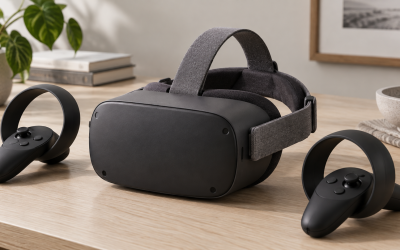
Before comparing hardware, picture your typical session. Will you play wireless in the living room, sit at a desk for sims, or share the headset with family? Standalone headsets suit casual, cable-free play, while PC-connected headsets reward those who already own a strong gaming PC and want top visuals. Being honest about your space and budget narrows the field faster than any spec.
The factors that matter most
| Factor | Why it matters for beginners | What to look for |
|---|---|---|
| Comfort and weight | Decides how long you can play | Balanced weight, good strap, ~500 to 700 g range |
| Resolution per eye | Text clarity and immersion | Roughly 2K per eye or better |
| Lens type | Sharpness and glare | Pancake lenses look clearer edge to edge |
| IPD adjustment | Focus and comfort per person | Adjustable range that fits your eyes |
| Ecosystem and library | What you can actually play | Large, active store with the games you want |
Comfort beats raw specs
New buyers often obsess over resolution and ignore comfort, then wonder why sessions feel short. A headset that pinches your face or presses on your cheekbones will win no fans no matter how sharp its display. Look for a balanced design where weight does not all hang off the front, and budget a little extra for a better head strap or face cushion if the stock parts feel off.
IPD: the setting people forget
IPD, or interpupillary distance, is the space between your pupils. If a headset cannot match yours, the image looks blurry and can cause eye strain and headaches. Some headsets offer a smooth adjustable slider, others only fixed presets. If your IPD sits at the extremes of the average range, roughly 58 to 72 mm, prioritize a model with a wide adjustable range.
What you can safely ignore at first
Cutting-edge extras like eye tracking, extremely high refresh rates, and pro-grade controllers are nice but not essential for a first headset. They add cost that a newcomer rarely needs. You can always upgrade later once you know what kind of VR player you are. Focus your money on comfort, a clear display, and a healthy game library.
Trying before you commit
If at all possible, try a headset on before buying, even a friend’s, because comfort is intensely personal and hard to judge from reviews. Faces differ, and a model that feels perfect for one person can press uncomfortably on another’s cheekbones or brow. Pay attention to how the weight is distributed, whether the strap holds the headset steady without over-tightening, and how quickly the image snaps into sharp focus once you set the lens spacing. If you cannot try one in person, favor headsets with generous return windows and read comfort-focused impressions rather than pure spec comparisons. It is also worth planning for the accessories you will likely want soon: a better face cushion for hygiene and comfort, a head strap upgrade if the stock one is basic, and prescription inserts if you wear glasses. Budgeting a little extra for these from the start prevents the common experience of a promising headset gathering dust because the out-of-box comfort was not quite right. A great first headset is one you reach for often, and comfort is what makes that happen.
FAQ
How much should a beginner spend on a VR headset?
A capable standalone headset typically runs roughly $250 to $550, which is plenty for a great first experience. Spending more mainly buys higher fidelity and features you may not need until you are more experienced.
Do I need to measure my IPD before buying?
It helps. Knowing your interpupillary distance, usually between 58 and 72 mm, lets you pick a headset whose adjustment range fits you, which keeps the image sharp and comfortable from the first session.
Bottom line
Choosing your first VR headset comes down to comfort, a clear display around 2K per eye, an IPD range that fits you, and an ecosystem full of games you want to play. Match the headset to your space and budget, skip the enthusiast extras for now, and put spare money toward comfort accessories. Get those basics right and your first headset will feel like a doorway, not a disappointment.