Teaching online turns your voice into the product. Students forgive a plain virtual background, but they do not forgive a muffled voice, background hiss from a noisy household, or a headset that slips after an hour of lecturing. The decision behind this keyword is therefore about three things: how clearly the microphone picks up a speaking voice, how comfortable the headset stays through back-to-back sessions, and how it connects to the laptop or tablet you teach on. A headset that sounds fine for a ten-minute call can be exhausting across a school day.
This guide is for classroom teachers working from home, tutors who run one-on-one lessons, fitness and yoga instructors who need freedom of movement, and parents supervising remote learning. The seven picks here include wired on-ear and over-ear headsets, a USB model, a wireless head microphone, and an open-ear Bluetooth design. One chanting-focused headband from the batch was left out because its listing centers on voice feedback for a specific practice rather than general teaching. Everything below is based on the listed specs, so confirm connector details before buying.
Our Top Picks

Top 3 picks at a glance
Quick Picks
As an Amazon Associate we earn from qualifying purchases at no extra cost to you.



| Product | Best for | Key spec from the title |
|---|---|---|
| KIMAFUN G100-1 Wireless Head Mic | Fitness and movement classes | 2.4G wireless, waterproof head microphone |
| Joyqua 2-Pack Wired Headset | Two users, school use | 3.5mm plug, adjustable on-ear, pack of two |
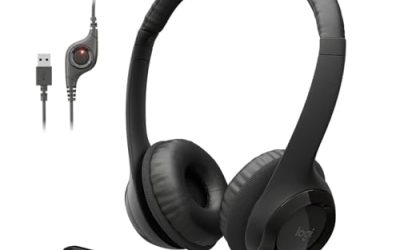
| Wantek USB Headset | Laptops with USB ports | USB, 3.6mm, and Type-C, noise cancelling mic |
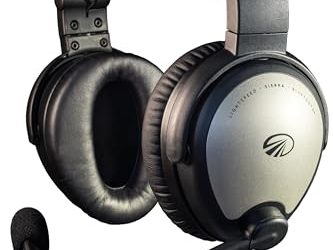
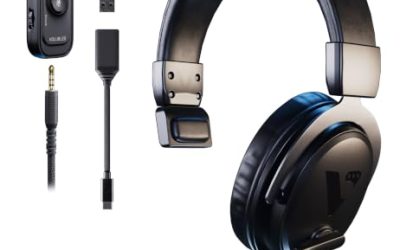
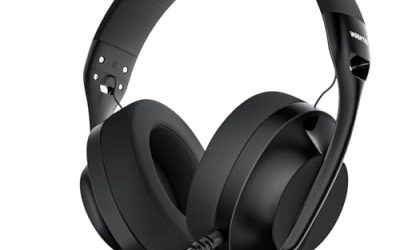
| Over-ear teaching headset (CVC6.0) | Quiet, enclosed listening | Over-ear enclosed design, CVC6.0, 3.5mm four-pole |
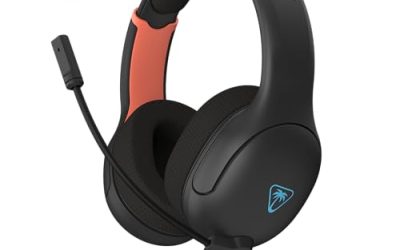
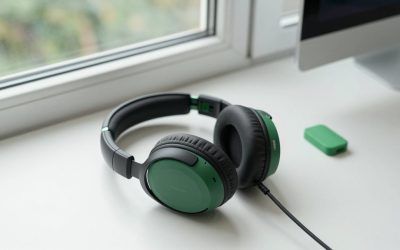
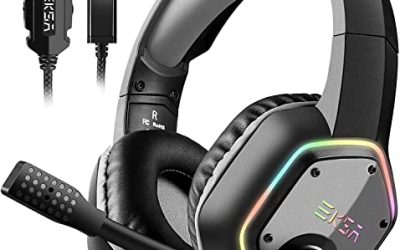
| Wired gaming-style teaching headset | Comfort on a budget | Noise cancelling, adjustable comfort, PC and laptop |
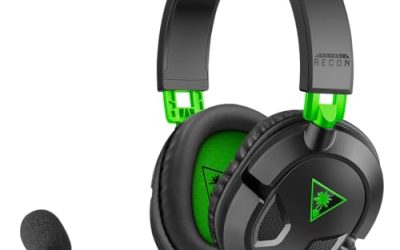
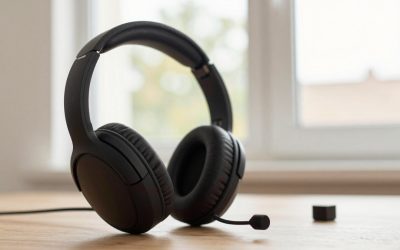
| Wired noise-cancelling meeting headset | Simple meetings | Wired, noise cancelling mic, PC and laptop |
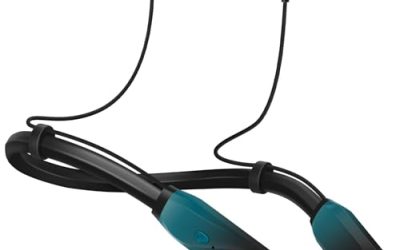
| Smof Bluetooth Air Conduction Headset | Staying aware of the room | Open ear, Bluetooth 5.1, mute function, aptX-HD/LL |
How to Choose
Connection: 3.5mm, USB, Type-C, or Bluetooth
Many modern laptops have a single combined headphone-mic jack, which needs a four-pole plug; the over-ear headset in this list names a 3.5mm four-pole plug for exactly that reason. A USB or Type-C connection bypasses the jack entirely and tends to work on computers that lack one. Bluetooth, as on the Smof, removes the cable but depends on battery and a stable link. For a teacher who cannot afford a dropped connection mid-lesson, a wired connection is the lowest-risk choice.
Microphone quality and noise handling
Look for a boom or arm that sits near the corner of your mouth rather than a tiny inline mic. Noise-cancelling microphones suppress background noise like keyboards and fans, which helps in a shared home. CVC6.0, named on one listing, is a call noise-reduction standard intended to reduce echo and ambient sound. Remember that microphone noise cancelling affects what students hear; it does not silence the room for you.
Comfort across a full teaching day
Weight, clamp force, and cushion softness matter more than sound for teachers. On-ear designs press on the ear and can tire after a few hours, while over-ear cups sit around the ear and distribute pressure better. Open-ear air conduction, as on the Smof, leaves the ear free, which some teachers like for hearing children or colleagues in the room. Adjustable headbands help different head sizes share one headset.
Single or double ear, and who shares it
If you need to listen to students while also hearing your surroundings, a headset with a single ear cup or an open-ear design is useful. If you teach in a noisy place, enclosed cups help. A two-pack, like the Joyqua, makes sense for a school, a tutoring business, or a household with two remote learners. Check the cord length too if you pace while talking, and locate the mute control before the first class so you know exactly where it is when a student’s parent walks into the room mid-lecture.
The 7 Best Options
KIMAFUN G100-1 Wireless Head Mic
A 2.4G wireless headset microphone with a waterproof design, aimed at fitness instructors, online teaching, yoga classrooms, spinning coaches, and speakers. It is a head-worn mic, so it suits people who need their hands and movement free while they lead a class.
- Strength: wireless 2.4G link frees you to move around the room.
- Strength: waterproof design suits sweaty exercise sessions.
- Trade-off: it is a microphone first, so listening to students needs another device.
Skip it if you want integrated headphones for hearing students. It shines for demonstrations, but you still need speakers or earbuds for listening. Teachers who lead stretching, dance, or cooking lessons from a camera in the middle of the floor will value that no cable follows them across the room, though it is wise to check the receiver’s range in your actual space.
Joyqua 2-Pack Wired Headset
A pair of wired headsets with 3.5mm plugs and adjustable on-ear headbands, aimed at online learning, office use, laptops, PCs, schools, and call centers. A two-pack makes it a fit for teachers who also supply headsets for students or a home with two learners.
- Strength: two headsets in one purchase.
- Strength: simple 3.5mm connection works with many devices.
- Trade-off: on-ear cups can tire during long days.
Skip it if your laptop lacks a 3.5mm jack, or if you need advanced noise handling. It is a straightforward, practical choice. A tutoring center, a small school pod, or two siblings learning at the same time can each have their own headset from one order, and having a spare on the shelf is cheap insurance against a mid-lesson failure.
Wantek USB Headset
A wired on-ear headset with a noise cancelling microphone and USB, 3.6mm, and Type-C connections, intended for home office, work, and call center use. The multiple connectors let you use it across a desktop, a laptop, and a phone or tablet with Type-C.
- Strength: three connection options increase compatibility.
- Strength: noise cancelling mic helps in busy homes.
- Trade-off: on-ear fit may feel snug for longer sessions.
Skip it if you prefer over-ear cups or a wireless link. It suits teachers who rotate between devices, for example a desktop at school, a laptop at home, and a tablet for office hours. The call-center positioning also suggests a design meant for continuous speaking, which is exactly what a lecture demands.
Over-ear teaching headset (CVC6.0)
Black over-ear headset described as noise cancelling with an enclosed design, CVC6.0 sound insulation, and a 3.5mm four-pole plug that works plug-and-play. The title names online teaching directly. It fits teachers who want an enclosed fit that blocks surrounding noise.
- Strength: enclosed over-ear design with CVC6.0 call noise reduction.
- Strength: four-pole 3.5mm plug is ready for combined jacks.
- Trade-off: it is a generic listing without a named brand or driver details.
Skip it if you want brand support or Bluetooth. It is a focused teaching tool with minimal frills. The plug-and-play note means there is no software to install on a school-issued laptop, which matters when you do not have administrator rights to add drivers or settings.
Wired gaming-style teaching headset
A wired noise cancelling headphone with adjustable comfort, a microphone, and use cases that include PC, laptop, and online teaching. Its gaming-headset styling may appeal to younger teachers, but the real value is the adjustable fit and the boom microphone.
- Strength: adjustable comfort suits different head sizes.
- Strength: microphone and cord make it a simple plug-in solution.
- Trade-off: connector details are not stated in the title.
Skip it if you need a confirmed connection type before buying. Verify whether it uses a single four-pole plug or two separate jacks. Do not be put off by the gaming label: for a teacher, the useful parts are the padded, adjustable band and the boom mic, and the styling is just a bonus or a drawback depending on taste.
Wired noise-cancelling meeting headset
A basic wired headset with a noise cancelling mic aimed at PC and laptop online meetings. It is the least detailed listing, which makes it a budget-minded choice for a teacher who needs something functional for occasional virtual classes.
- Strength: simple, wired, and aimed at meetings.
- Strength: noise cancelling mic is named.
- Trade-off: very little detail on connection or comfort.
Skip it if comfort across a long day is your priority. Read the full product page for connector and fit information. It can work as a backup headset kept in a desk drawer, since a short title often points to a no-frills design, which is fine for a spare but thin as the only tool for a full teaching schedule.
Smof Bluetooth Air Conduction Headset
An open-ear wireless headset with Bluetooth 5.1, a mute function, and aptX-HD and low-latency codec support, built for online meetings and teaching. The open-ear design leaves your ear canal uncovered, helping you stay aware of the room around you.
- Strength: open-ear design keeps you aware of students or family.
- Strength: Bluetooth 5.1 with a mute function is useful mid-lesson.
- Trade-off: wireless operation relies on battery and a stable connection.
Skip it if you need strong isolation from a noisy environment. Open-ear designs let outside sound in by design, so a barking dog or traffic can compete with student voices. It is best in a quiet room where situational awareness, rather than isolation, is the goal, such as a parent watching a toddler during a tutoring session.
Which One Fits Your Situation
You teach fitness or dance and move constantly
The KIMAFUN G100-1 head microphone is built for instructors who need their hands free and a waterproof design for sweat.
You teach from a laptop with one headphone jack
Choose the over-ear teaching headset with a four-pole 3.5mm plug, or the Wantek USB Headset if your computer has USB or Type-C ports.
You supply headsets for two people
The Joyqua 2-Pack covers a pair of teachers or a parent and child and fits the shared-device routines many households have settled into by 2026.
You want to hear the room while you teach
The Smof Bluetooth Air Conduction Headset leaves your ears open, which helps when you supervise a household while you lecture.
Common Mistakes
- Buying a headset with a two-plug design for a laptop with a single combined jack, without an adapter.
- Assuming noise cancelling on the microphone also quiets the room for you.
- Choosing on-ear cups for all-day use without considering comfort.
- Relying on Bluetooth for a critical lesson without checking battery and connection.
- Forgetting a spare headset when a single cable failure can end a class.
Related guides
- How To Clean Quest 3 Lenses And Facial Interface
- Vr Facial Interfaces For Glasses Wearers
- Micro Sd Cards For Samsung Galaxy Phones
Frequently Asked Questions
What is CVC6.0?
It is a call noise-reduction technology intended to reduce echo and background sound picked up by the microphone, as named in one listing.
Is wired or wireless better for teaching?
Wired is generally more dependable and never needs charging. Wireless gives freedom of movement, which suits active classes.
Do I need a USB headset?
Not necessarily, but USB or Type-C helps if your device lacks a headphone jack. A 3.5mm four-pole plug works with combined jacks.
Are open-ear headsets good for lessons?
They are comfortable and keep you aware of your surroundings, but they offer less isolation. Choose enclosed cups in a noisy home.